A draft of the AfD’s government programme for Saxony‑Anhalt, dated 23 January 2026, includes a section titled “Schöner bauen!” (Build more beautifully!) and uses the slogan “Deutsch denken” (Think German). The draft, which has been reviewed by multiple outlets including Die Presse, proposes amending the state building code (BauO LSA) so that publicly funded or public buildings should ‘take up’ an ‘acknowledged building tradition’ and favour regional, long‑lasting materials.
The phrasing in the draft is concise but significant: it aims not merely at stylistic guidance but at establishing a legal guideline for the architectural appearance of public projects. The document does not set out detailed implementation mechanisms — such as specific material lists, exemptions, or transition provisions — but frames principles that would require practical definition if they were to be translated into law.
- The AfD Saxony‑Anhalt draft government programme (23 January 2026) includes a ‘Schöner bauen!’ section and uses the slogan ‘Deutsch denken’.
- The draft proposes amending the Saxony‑Anhalt building code (BauO LSA) to require publicly funded buildings to ‘take up’ an ‘acknowledged building tradition’ and to prefer regional, durable materials.
- The Bauhaus Manifesto 2026 was published in August 2026 as a collective response by cultural institutions; the Federal Commissioner for Culture and the Academy of Arts document the initiative and signatories.
- The matter is debated in the context of the Saxony‑Anhalt state election scheduled for 6 September 2026.
- National media and architecture journals reported and analysed both the AfD proposals and the cultural sector’s responses.
Culture as election strategy
The proposal emerges in the run‑up to the Saxony‑Anhalt state election, scheduled for 6 September 2026. Cultural topics have become an intensified area of contestation in recent campaigns across Germany, and the AfD appears to be expanding its agenda from economic and migration issues into identity‑oriented cultural policy. Calling for an ‘acknowledged building tradition’ can be read as an attempt to claim architecture as part of a national cultural identity.
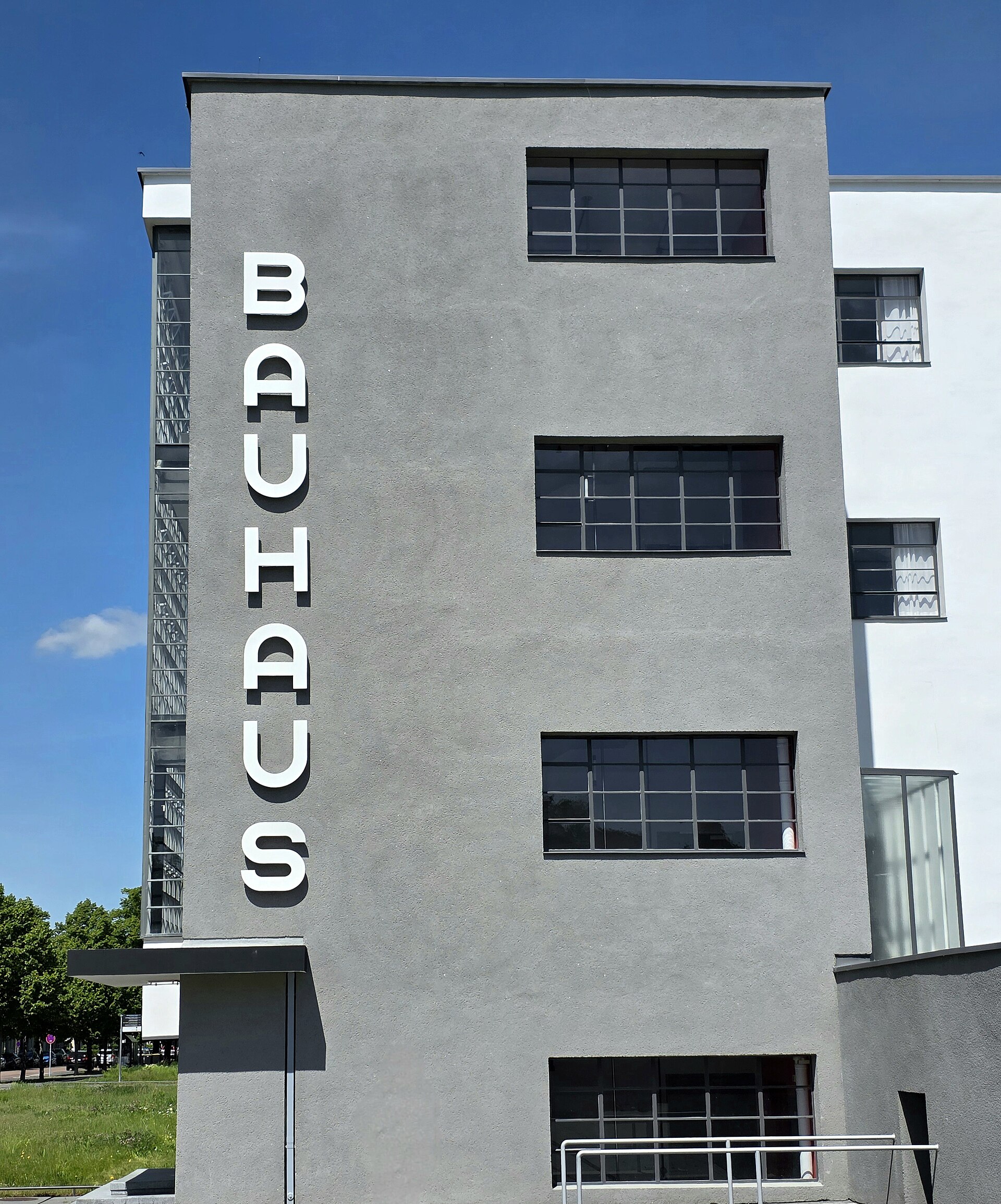
Observers note that the proposal acquires heightened sensitivity because of Saxony‑Anhalt’s association with the Bauhaus movement — particularly the Dessau site — which is widely regarded as an emblem of modernism and international cultural exchange. Any policy perceived as challenging the Bauhaus legacy therefore invites strong symbolic reactions.
Responses from the cultural sector
The draft has prompted visible pushback from cultural organisations. In August 2026, a ‘Bauhaus Manifesto 2026’ was published as a defence of Bauhaus principles. According to the Federal Commissioner for Culture and the Academy of Arts, the manifesto framed itself as protecting cultural heritage against what its sponsors called ‘democracy‑hostile attacks’; numerous institutions and specialist journals have supported or signed the text.
National media — including Deutsche Welle, Die Zeit and Süddeutsche Zeitung — and architecture publications such as Deutsche BauZeitschrift covered the developing conflict. Critics warn not only about the political content of the proposals but about their implication: that stylistic or material mandates could be enforced through law. Architects’ associations and professional bodies have emphasised that architectural decisions require technical deliberation and professional planning rather than top‑down political prescriptions.
Legal and practical obstacles
From a legal perspective, it is uncertain how far a state building code can lawfully insist on particular stylistic traditions. While Länder building regulations cover many aspects of construction, they must comply with higher‑ranking state and federal law and, where relevant, with EU rules — notably public procurement law. Measures that systematically favour certain styles or materials could be challenged as distorting competition.
On the implementation side, practical questions are pressing. Who would determine what constitutes an ‘acknowledged building tradition’? Without precise definitions, administrative decisions, budgeting and tendering procedures could become unpredictable and subject to litigation. Legal and architectural experts point out that if such principles were to be codified, they would need to be translated into technically specific norms to meet legal scrutiny and ensure planning certainty.
Political significance for Saxony‑Anhalt
The theme can serve multiple political functions in the campaign: for the AfD, it provides a means to mobilise voters around cultural‑identity narratives and to present itself as a defender of ‘traditional’ values against perceived elite preferences. For other parties and cultural actors, the AfD proposal has created an opportunity to rally defence of pluralist cultural values and to frame the debate as a choice about the instrumentalisation of cultural heritage.
Whether the proposal will find its way into binding policy depends on electoral outcomes and coalition arithmetic. Even a strengthened AfD presence in the state parliament would not guarantee legal enactment; implementation would face administrative hurdles and likely judicial review.
What is clear — and what is not
It is established that the AfD draft of 23 January 2026 contains passages seeking to steer public architecture towards an ‘acknowledged building tradition’ and preferential use of regional materials. It is also documented that cultural institutions organised a response culminating in the Bauhaus Manifesto 2026 and that national and specialist media have reported on the clash.
What remains unresolved is the trajectory from draft language to law and practice: whether such provisions would survive translation into statutory text, how courts would interpret them, and whether they would withstand challenges under procurement and anti‑discrimination rules. Another open question is the electoral effect of the dispute. The controversy has generated attention, but empirical evidence that the issue will decisively influence voter behaviour in Saxony‑Anhalt is lacking. The weeks leading to the 6 September vote will show whether this cultural confrontation intensifies or is overtaken by other campaign issues.
IO SYNTHESIS
THREE-SOURCE ARTICLE ANALYSIS
The AfD Saxony‑Anhalt draft government programme (23 January 2026) includes a ‘Schöner bauen!’ section and uses the slogan ‘Deutsch denken’.
OPEN EVIDENCE ↗The draft proposes amending the Saxony‑Anhalt building code (BauO LSA) to require publicly funded buildings to ‘take up’ an ‘acknowledged building tradition’ and to prefer regional, durable materials.
OPEN EVIDENCE ↗The Bauhaus Manifesto 2026 was published in August 2026 as a collective response by cultural institutions; the Federal Commissioner for Culture and the Academy of Arts document the initiative and signatories.
OPEN EVIDENCE ↗✓ SOURCES AND DOCUMENTS
01 diepresse.com ↗02 blaetter.de ↗03 pensarium.de ↗Sources last checked · 27.08.2026, 17:03This article was written and checked by the ZEITUNG.IO newsroom. It is updated when new verified information becomes available.