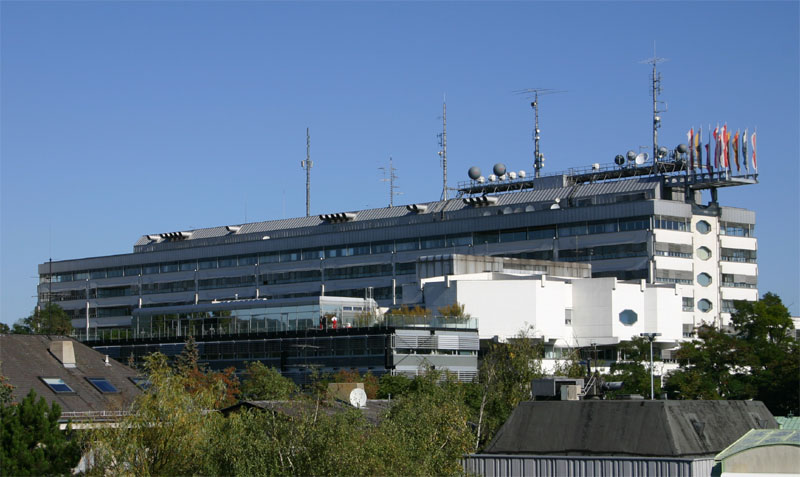
On the morning of 26 August 2026, staff at Klinik Floridsdorf discovered significant water ingress in a ward belonging to the orthopaedics/trauma unit. Local media reported the leak was detected at around 05:20; the hospital’s press office confirmed the incident to journalists and said staff immediately took steps to secure patients and areas affected by the water.
The facility is located on Brünner Straße in Vienna’s Floridsdorf district and is part of the Wiener Gesundheitsverbund (Vienna Health Association). According to the hospital, patients on the impacted ward were relocated internally and no injuries have been reported so far.
- Date: Water ingress on 26 August 2026 (morning; local reports cite approximately 05:20).
- Location: Klinik Floridsdorf, Brünner Straße, Vienna‑Floridsdorf (part of the Wiener Gesundheitsverbund).
- Affected area: Orthopaedics/trauma ward (reported in media as a ~32‑bed station).
- Patients: Those on the affected ward were relocated within the hospital; no injuries reported (hospital press office).
- Consequences: Hospital expects remediation to take several weeks; local reports state up to 16 of 116 beds may be temporarily unavailable.
Which areas and beds are affected
Reporting on-site specifies that the leak occurred in a ward described in media accounts as a roughly 32‑bed orthopaedics/trauma station. Exact figures vary between outlets quoting the hospital; a local report also stated that, during remediation, 16 out of the hospital’s 116 beds would be unavailable.
The hospital has said that relocations were handled internally and emphasised that the relocations were carried out without any medical incidents. The full scope of operational effects — such as the number of postponed elective procedures — had not been published in a comprehensive written statement at the time of reporting.
Cause under investigation
No definitive technical cause has yet been released. Local coverage cited possibilities such as a faulty ceiling connection or a defective pipe joint, but the clinic’s press office indicated investigations are ongoing and that both in‑house technical teams and external specialists have been engaged to determine the cause.
Clarifying whether the leak resulted from material failure, maintenance shortfalls, accidental damage or other factors will require technical inspections and possibly expert reports. The hospital has not published a final assessment or a responsibility attribution.
Operational consequences and patient care
The clinic’s communications state that remediation and restoration work is expected to take several weeks. While patient safety and continuity of care were said to be priorities, concrete details on cancelled operations, outpatient schedule changes or transfers to other hospitals were not fully specified in the initial statements available to the press.
The information released so far suggests that emergency care should not be compromised and that patient flows within the hospital were reorganised to absorb those displaced from the affected ward. Nonetheless, elective treatments might be rescheduled depending on how long the repair works last and how many beds remain out of service.
Public information and institutional response
Communication about the incident has been channelled through the Wiener Gesundheitsverbund press office. Media outlets quoted the press office regarding immediate safety measures and the anticipated duration of repairs. Formal technical reports, detailed timelines or comprehensive written statements including the findings of specialist inspections were not available at the time local outlets filed their stories.
Hospital representatives stressed that patient safety was the top priority and that steps would be taken to maintain essential services. They also indicated that further information would be released once investigations and initial remediation planning were completed.
Infrastructure context and risks in hospital buildings
Hospitals are infrastructure‑intensive institutions where plumbing, heating, ventilation and medical‑technical installations all interact; leaks can compromise building fabric, damage equipment and interfere with sterile environments. For that reason, even incidents that appear limited in area may have wider operational implications until repairs restore full functionality.
Past incidents in healthcare facilities have shown varying causes — from ageing installations to isolated equipment failures. The forthcoming technical assessment in Floridsdorf will determine whether short‑term repairs or more substantial interventions are required to prevent recurrence.
Known facts and open questions
To summarise what is verified: a water ingress occurred on 26 August 2026 in Klinik Floridsdorf’s orthopaedics/trauma ward. Patients were relocated within the hospital, no injuries were reported, and the hospital indicated that remediation work will take several weeks. Local reporting describes the affected ward as a roughly 32‑bed unit and mentions up to 16 of 116 beds being temporarily out of service.
Unresolved matters include the exact technical cause, the final extent of disruption to scheduled operations and outpatient services, and a precise timeline for returning the affected area to normal service. The hospital has said it will provide more information once technical analyses and repair plans are in place.
IO SYNTHESIS
THREE-SOURCE ARTICLE ANALYSIS
Date: Water ingress on 26 August 2026 (morning; local reports cite approximately 05:20).
OPEN EVIDENCE ↗Location: Klinik Floridsdorf, Brünner Straße, Vienna‑Floridsdorf (part of the Wiener Gesundheitsverbund).
OPEN EVIDENCE ↗Affected area: Orthopaedics/trauma ward (reported in media as a ~32‑bed station).
OPEN EVIDENCE ↗✓ SOURCES AND DOCUMENTS
01 kurier.at ↗02 gesundheitsverbund.at ↗03 gesundheitsverbund.at ↗Sources last checked · 26.08.2026, 15:41This article was written and checked by the ZEITUNG.IO newsroom. It is updated when new verified information becomes available.