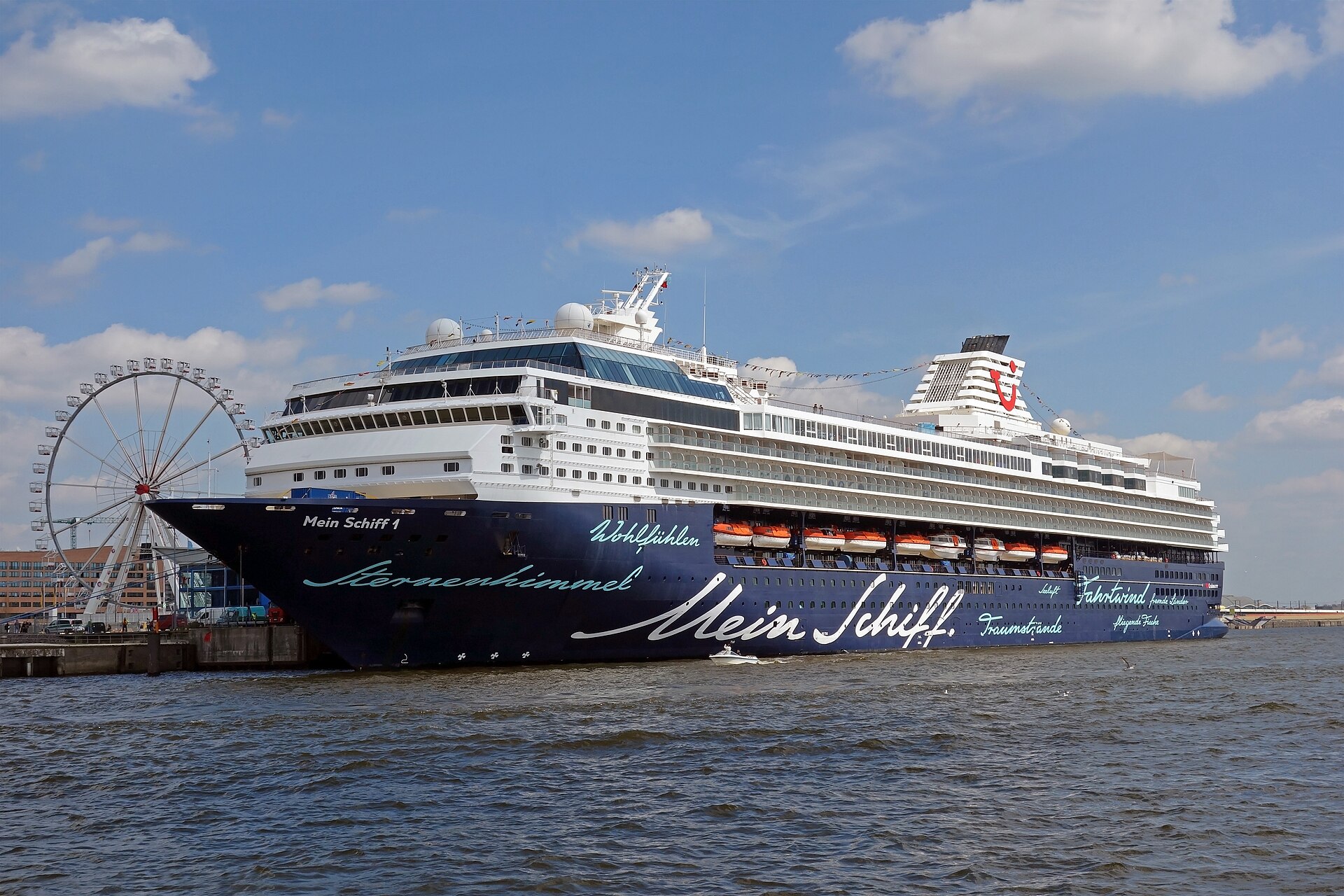
In August 2026, passengers aboard a Marella Cruises ship reported receiving an onboard newsletter asking guests not to hide rubber ducks or leave personal or novelty items in public areas. The notice was shared by travelers on social media and picked up by international outlets, including Travel + Leisure, which reproduced parts of the message as observed by passengers.
According to media reports, the communication framed the request around safety and environmental concerns: crew members were said to be required to collect and dispose of the items, and hiding plastic toys conflicted with the company’s sustainability messaging. Travel and cruise‑industry websites also noted a light‑hearted line in the newsletter that was reproduced in coverage.
- Passengers reported an onboard Marella Cruises newsletter in August 2026 requesting that guests stop hiding rubber ducks and refrain from leaving personal novelty items in public areas.
- Media coverage reproducing the newsletter reported the request cited safety (crew collecting and disposing of items) and environmental reasons (incompatibility with sustainability messaging).
- Travel and cruise‑industry outlets noted that similar notices asking guests not to leave items in corridors or on cabin doors have appeared on other ships.
A small onboard culture collides with rules
Hiding rubber ducks and decorating cabin doors is a relatively common, informal pastime among many cruise passengers. For some it is a way to personalize a cabin, to share a joke with fellow travelers, or to participate in scavenger‑hunt style games organized within passenger communities. Photos of cleverly hidden ducks and elaborately decorated doors are frequently posted in cruise forums and social groups as a form of entertainment.
Yet what starts as innocent fun can grow into a logistical and safety issue. Decorations and small objects placed in corridors, near muster stations or by lifeboat access points may create obstacles. Cruise lines say they must ensure clear passage for evacuation routes and routine crew tasks, and that proliferation of small plastic items conflicts with efforts to reduce waste.
Stated reasons from operators
The Marella communication, as reported in passenger posts and reproduced by Travel + Leisure, cited two main concerns: the added burden on crew to remove and dispose of items, and the inconsistency with sustainability goals, because many items are made of plastic and add to waste streams. Media coverage described the tone of the message as polite and somewhat humorous, though firm.
Safety concerns are not merely hypothetical. Items left in public spaces on a vessel can be trip hazards or can impede swift movement during an emergency. Ships operate under strict safety regimes that require unobstructed corridors and designated places for essential safety equipment; crew members are responsible for ensuring those standards are met and for removing obstructions when necessary.
Passenger and industry reactions
Reactions among passengers ranged from understanding to annoyance. Some travelers accepted the request as a sensible balance between onboard fun and operational responsibility. Others argued that small rituals and decorations are part of the cruise experience and help create a sense of community.
Cruise‑industry publications reported that similar notices had appeared on other ships asking guests not to leave items in hallways or on doors, citing safety and orderliness. These accounts suggest the Marella advisory is part of a broader discussion within the sector about how to manage passenger behavior while maintaining onboard culture.
Implications for sustainability and guest relations
For cruise operators the debate touches on longer‑term strategic challenges. Lines face growing scrutiny over environmental performance and are under pressure to demonstrate meaningful sustainability measures. Restricting the use of disposable plastic trinkets is a visible and immediate step that aligns with such messaging, though it addresses only a narrow slice of environmental impact.
At the same time, companies risk alienating guests if they appear to micromanage small pleasures that contribute to the social fabric of a voyage. Communications therefore need to balance firmness with empathy: explaining operational reasons clearly, offering alternatives, and using a tone that respects guest traditions can make policies more palatable.
What remains uncertain
It is not yet clear whether notices like Marella’s will become standard industry practice or remain ship‑by‑ship measures. Cruise operators frequently set policies at the vessel level in response to specific operational considerations, and an announcement on one line does not automatically translate into an industry‑wide change. Enforcement is another open question: how strictly lines will police door decorations or small hidden toys varies by crew and itinerary.
Legal and liability questions also linger. The available reports do not provide comprehensive detail on whether and how lines will dispose of confiscated items, or on passengers’ rights in such situations. Ultimately, the interaction between passenger creativity and operational requirements will determine whether sustainable, low‑impact rituals emerge as acceptable alternatives that preserve camaraderie without creating extra work or safety risks for crew.
IO SYNTHESIS
THREE-SOURCE ARTICLE ANALYSIS
Passengers reported an onboard Marella Cruises newsletter in August 2026 requesting that guests stop hiding rubber ducks and refrain from leaving personal novelty items in public areas.
OPEN EVIDENCE ↗Media coverage reproducing the newsletter reported the request cited safety (crew collecting and disposing of items) and environmental reasons (incompatibility with sustainability messaging).
OPEN EVIDENCE ↗Travel and cruise‑industry outlets noted that similar notices asking guests not to leave items in corridors or on cabin doors have appeared on other ships.
OPEN EVIDENCE ↗✓ SOURCES AND DOCUMENTS
01 derstandard.at ↗02 derstandard.de ↗03 travelandleisure.com ↗Sources last checked · 26.08.2026, 18:07This article was written and checked by the ZEITUNG.IO newsroom. It is updated when new verified information becomes available.