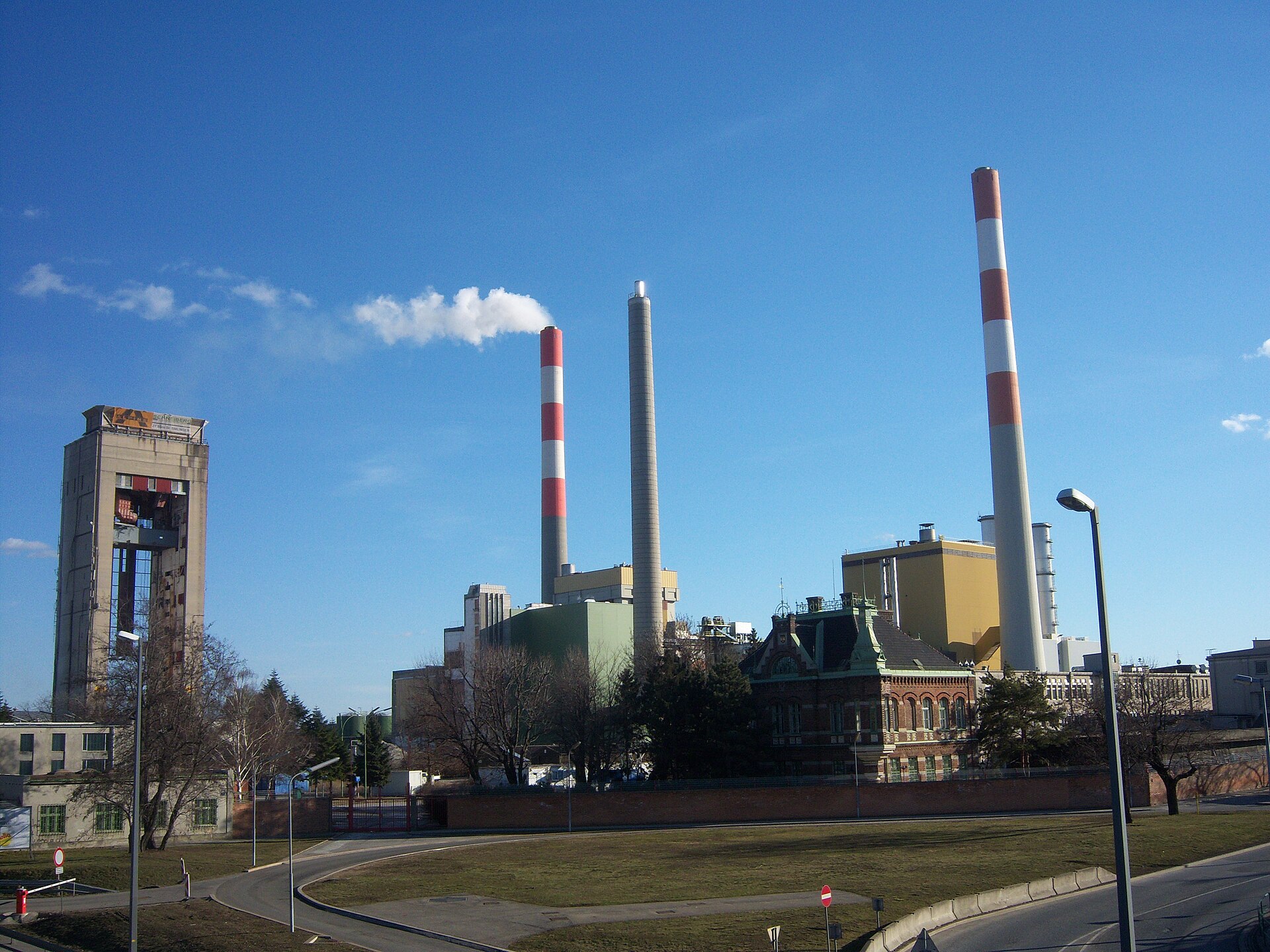
Wien Energie announced in February 2026 that it has expanded its ‘Energy Dog’ programme: what began as a pilot deployment has become a plan for a five‑unit fleet of robot dogs to monitor and inspect power plant sites in Vienna. The company’s press release dated 5 February 2026 and a related blog post confirm that a single robot has been in regular operation at the Simmering power plant since 2023, and that four additional units have been procured and are undergoing training. At the same time, the operator also uses a fleet of inspection drones for locations the ground robots cannot reach.
The move was picked up by Austrian media: ORF and other local outlets reported the announcement and quoted Wien Energie on objectives and costs. ORF reported a per‑unit investment described as a ‘lower six‑figure’ euro sum, which Wien Energie has not publicly detailed. Manufacturer Boston Dynamics has also published a case study on the deployment at Simmering, providing corroboration of capabilities and typical sensor payloads.
- Wien Energie runs the „Energy Dog“ programme and announced expansion to five robot dogs (press release, 5 February 2026).
- One robot has been in regular operation at the Simmering power plant since 2023; four additional units were procured and are being trained (Wien Energie, 2026).
- Boston Dynamics documents typical sensor payloads used in similar deployments: thermal camera, optical zoom camera and gas detectors.
- ORF reported that the per‑unit investment is in the lower six‑figure euro range; Wien Energie has not disclosed precise unit prices.
Hardware, sensors and typical tasks
The platform is based on the four‑legged inspection robot widely used in industrial settings. Boston Dynamics’ materials list common payloads: thermal cameras, zoom optical cameras, gas detectors and programmable inspection routines. Wien Energie confirms that its Energy Dogs carry comparable sensor suites and are used for recurring checks of engine rooms, perimeter security and temperature and gas monitoring.
Typical tasks include automated patrols along established routes, thermal anomaly detection on equipment, early spotting of gas leaks in hard‑to‑reach areas and collecting condition data that feeds into maintenance decision‑making. Drones complement the ground units for high or otherwise inaccessible structures such as exhaust stacks. According to the operator, the combination of aerial and ground robotics increases observation density and reduces direct exposure of staff to potentially hazardous inspection tasks.
Rationale: safety, efficiency and data
Wien Energie frames the deployment as a way to increase inspection frequency, detect anomalies more quickly and reduce safety risks for personnel. The operator stresses that robots are intended to assist rather than replace workers — by filtering routine tasks and delivering measurements that technicians then evaluate. Higher cadence inspections can expose incipient faults earlier, enabling preventive maintenance that reduces unscheduled downtime in an environment where outages carry high system costs.
Beyond the immediate operational advantages, automation allows for structured data collection over time. Trend analysis on temperature, vibration or gas concentrations could enable predictive maintenance strategies, according to Boston Dynamics’ case notes. For an operator of critical infrastructure, these capabilities are attractive because they can improve asset availability and provide a documented history of equipment conditions.
Costs, governance and unresolved safety issues
Wien Energie has not published precise per‑unit pricing in its press release. Media reporting indicates a substantial capital outlay: ORF described a figure in the lower six‑figure euros for each robot. Ongoing costs — training, software maintenance, sensor replacement and integration of data streams with control systems — add to total cost of ownership. How quickly savings from prevented incidents or reduced inspection labour offset those costs is dependent on operational realities and the lifetime of the equipment.
There are also governance and safety questions. Wien Energie says units operate under company control and that no personal data are collected beyond what is necessary for operational purposes. However, specific details about levels of autonomy in critical scenarios, data retention and access rules, and certification or external oversight are not published. These gaps matter because a robot deployed in a high‑risk industrial setting must hand over to human control, fail safely and not create new cybersecurity or physical risks.
Assessment and remaining unknowns
Expanding to five units marks a step from experimental use to broader operationalisation of autonomous systems in energy infrastructure. External observers highlight clear benefits in faster data collection and higher inspection cadence while warning of possible drawbacks: technical failure modes, vulnerabilities to weather and cyber threats, and the need for robust emergency procedures. Boston Dynamics’ documentation focuses on capabilities and outcomes, but does not take responsibility for end‑to‑end incident governance.
What remains uncertain is how autonomous the robots are allowed to be in critical or ambiguous situations and to what extent operators retain manual override. Also unresolved is how easily lessons from Simmering scale to other sites with different layouts, risks and regulatory constraints. As Wien Energie integrates the Energy Dogs into daily operations, industry, labour representatives and regulators will have to address those governance, transparency and resilience questions if such systems are to play a larger role in Austria’s critical infrastructure.
IO SYNTHESIS
THREE-SOURCE ARTICLE ANALYSIS
Wien Energie runs the „Energy Dog“ programme and announced expansion to five robot dogs (press release, 5 February 2026).
OPEN EVIDENCE ↗One robot has been in regular operation at the Simmering power plant since 2023; four additional units were procured and are being trained (Wien Energie, 2026).
OPEN EVIDENCE ↗Boston Dynamics documents typical sensor payloads used in similar deployments: thermal camera, optical zoom camera and gas detectors.
OPEN EVIDENCE ↗✓ SOURCES AND DOCUMENTS
01 derstandard.at ↗02 wienenergie.at ↗03 wienenergie.at ↗Sources last checked · 27.08.2026, 01:38This article was written and checked by the ZEITUNG.IO newsroom. It is updated when new verified information becomes available.