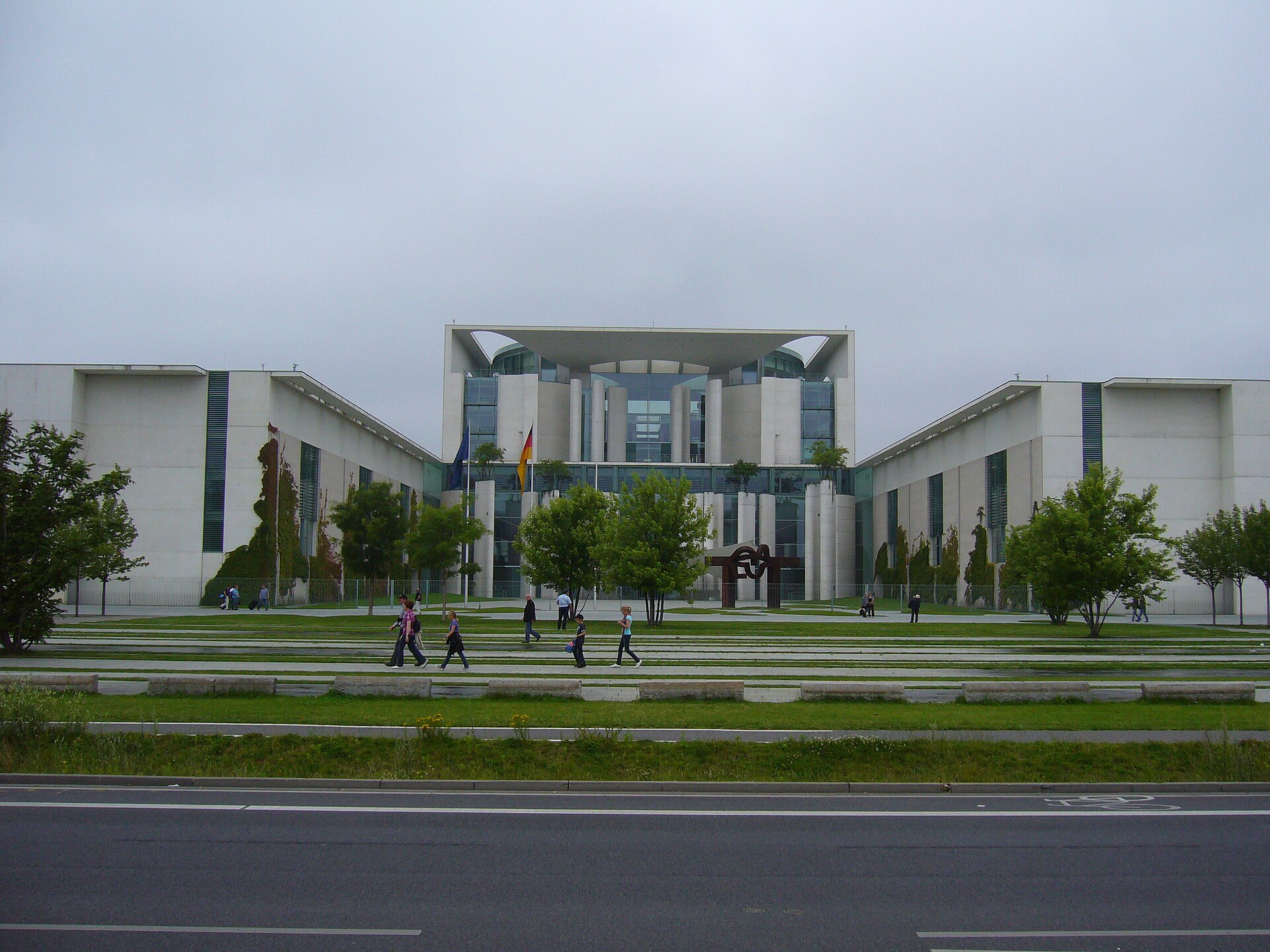
On 21 August 2026, industry associations and major firms from Bavaria and Baden‑Württemberg sent a joint letter to the federal government urging prompt implementation of reforms that have been announced but not yet fully realised. The document, described in coverage as a “Brandbrief” (an urgent letter), appeals for decisive steps to protect competitiveness and create planning certainty for investment. The initiative reflects concern in Germany's industrial heartland, where companies say delays in policy decisions undermine long-term business planning.
The ARD-Tagesschau ran a piece on 25 August 2026 under the headline “Warten auf Reformen: Wirtschaft will Taten sehen” (Stefan Wolff), summarising the letter and its implications. Independent reporting corroborates that the letter was indeed sent on 21 August and that it represents a coordinated appeal from business circles in the two southern states. Publicly available accounts provide a general sense of the letter’s demands — faster implementation of already announced measures — but do not publish a full list of signatories or detailed legislative prescriptions contained in the letter.
The timing is politically significant. The letter arrived in the days leading up to key cabinet meetings and ahead of the parliamentary autumn session, periods when economic and fiscal policy issues are frequently debated. For firms that operate with long investment horizons, policy uncertainty can translate into postponed projects or altered risk assessments. In that respect, the letter serves both as a public warning and a call to accelerate decision-making at the federal level.
- A joint letter (described as a “Brandbrief”) from business associations and large firms in Bavaria and Baden‑Württemberg was sent to the federal government on 21 August 2026.
- ARD-Tagesschau published the report “Warten auf Reformen: Wirtschaft will Taten sehen” by Stefan Wolff on 25 August 2026 covering these demands.
- Independent reporting confirms the initiative originated from southern German economic actors calling for faster implementation of announced reforms.
What is established, and what remains unclear
There are a few verifiable points: the letter was sent on 21 August 2026, it comes from industry actors in Bavaria and Baden‑Württemberg, and it calls for a faster pace in implementing reforms the federal government has announced. Beyond these core facts, reporting has not produced a detailed public record of the letter’s signatories or a clause-by-clause account of its recommendations.
Nor is there, as yet, a comprehensive government response recorded in the public reporting cited here. Official statements have been limited, and while a political reaction is likely given the publicity generated by the Tagesschau report, the precise content and timing of any governmental counter-measures remain to be revealed in formal announcements or in parliamentary debate.
Political implications in Berlin
The letter increases pressure on the federal coalition. When powerful regional economic actors publicly demand faster reform implementation, the government faces heightened expectations to present clear timelines and prioritised measures. For the coalition, responding requires balancing parliamentary processes, coalition agreements, and resistance from interest groups or opposition parties.
In practical terms, the government could respond by outlining specific legislative timetables, offering interim regulatory clarifications, or signalling administrative follow-through. However, transforming political promises into enacted reforms can take months, involving committee work, legal drafting and negotiations. The public nature of the letter means that delays or commitments that fail to materialise could harm perceptions of the government's ability to act on economic policy.
Economic context and potential consequences
For businesses, predictability in regulation and fiscal policy is critical. A public appeal from the south’s business community signals a concern that slow-moving policy processes may affect investment decisions, particularly for projects with long lead times such as manufacturing facilities, infrastructure, and technology deployments. Even absent immediate measurable declines in investment, the increased perceived policy risk can influence corporate strategic planning.
Concrete economic effects — for example, immediate cuts in investment or employment — are not documented in the reports at hand. Yet the potential for delayed investments to hamper competitiveness is a realistic scenario, especially as German industry faces international competition and technological transitions. Accelerating reforms might therefore be framed by business actors as necessary to maintain Germany’s relative attractiveness as a place to invest and innovate.
Implementation challenges and outlook
Implementing reforms quickly faces institutional constraints. Legislative processes require parliamentary majorities, stakeholder consultations, and sometimes complex legal revisions. While the federal government may be able to speed administrative measures or propose expedited timetables, full legal reforms typically proceed at a slower pace. The letter’s publication brings the debate into the public sphere and could prompt quicker political responses, but structural challenges to immediate enactment remain.
In the short term, watch for formal reactions from the federal ministries responsible for the policy areas implicated by the letter, as well as any parliamentary initiatives triggered by increased public attention. In the medium term, whether the letter changes the pace of reform will depend on political will within the coalition, the ability to build consensus in parliament, and the extent to which the government chooses to prioritise the specific measures requested by the business actors. The Tagesschau piece has elevated the matter into the national debate — and in politics, visibility can itself be a catalyst for action.
IO SYNTHESIS
THREE-SOURCE ARTICLE ANALYSIS
A joint letter (described as a “Brandbrief”) from business associations and large firms in Bavaria and Baden‑Württemberg was sent to the federal government on 21 August 2026.
OPEN EVIDENCE ↗ARD-Tagesschau published the report “Warten auf Reformen: Wirtschaft will Taten sehen” by Stefan Wolff on 25 August 2026 covering these demands.
OPEN EVIDENCE ↗Independent reporting confirms the initiative originated from southern German economic actors calling for faster implementation of announced reforms.
OPEN EVIDENCE ↗✓ SOURCES AND DOCUMENTS
01 tagesschau.de ↗02 bundeskanzler.de ↗03 tagesschau.de ↗Sources last checked · 26.08.2026, 13:45This article was written and checked by the ZEITUNG.IO newsroom. It is updated when new verified information becomes available.