Oliver Blume, chief executive officer of the Volkswagen Group, attended an extraordinary works meeting at the Zwickau‑Mosel plant on 26 August 2026, according to reports from MDR and dpa summarized by tagesschau.de. Blume publicly acknowledged the workforce’s efforts on cost reductions and restructuring, but he also emphasised that the company had not yet reached its objectives. He pointed to structural competitiveness issues, notably that plant and labour costs remain high relative to some European rivals.
Media accounts quote Blume saying that “labour costs today are more than double those of comparable European sites” — a remark that has become central to the debate on the plant’s future. At the same time, reports say he insisted that there is no final corporate decision to close individual plants and described any closure as the “last option.” These formulations have framed both local fear and broader discussions about Volkswagen’s industrial footprint.
- Oliver Blume attended an extraordinary works meeting at the VW Zwickau‑Mosel plant on 26 August 2026 (sources: MDR/dpa via tagesschau.de).
- Blume praised cost‑saving efforts but said labour costs were “more than double” comparable European sites and called closures the “last option” (source: tagesschau.de).
- Reports say Zwickau’s workforce fell from ~11,000 to ~8,000; over 1,000 additional job cuts were decided and one of two production lines is planned to be shut down next year (sources: MDR/dpa via tagesschau.de).
- Media reporting references internal Volkswagen cost scenarios pointing to up to 50,000 potentially affected roles as a theoretical figure; Blume did not present it as a fixed target (source: Deutschlandfunk).
Worker reaction and protests
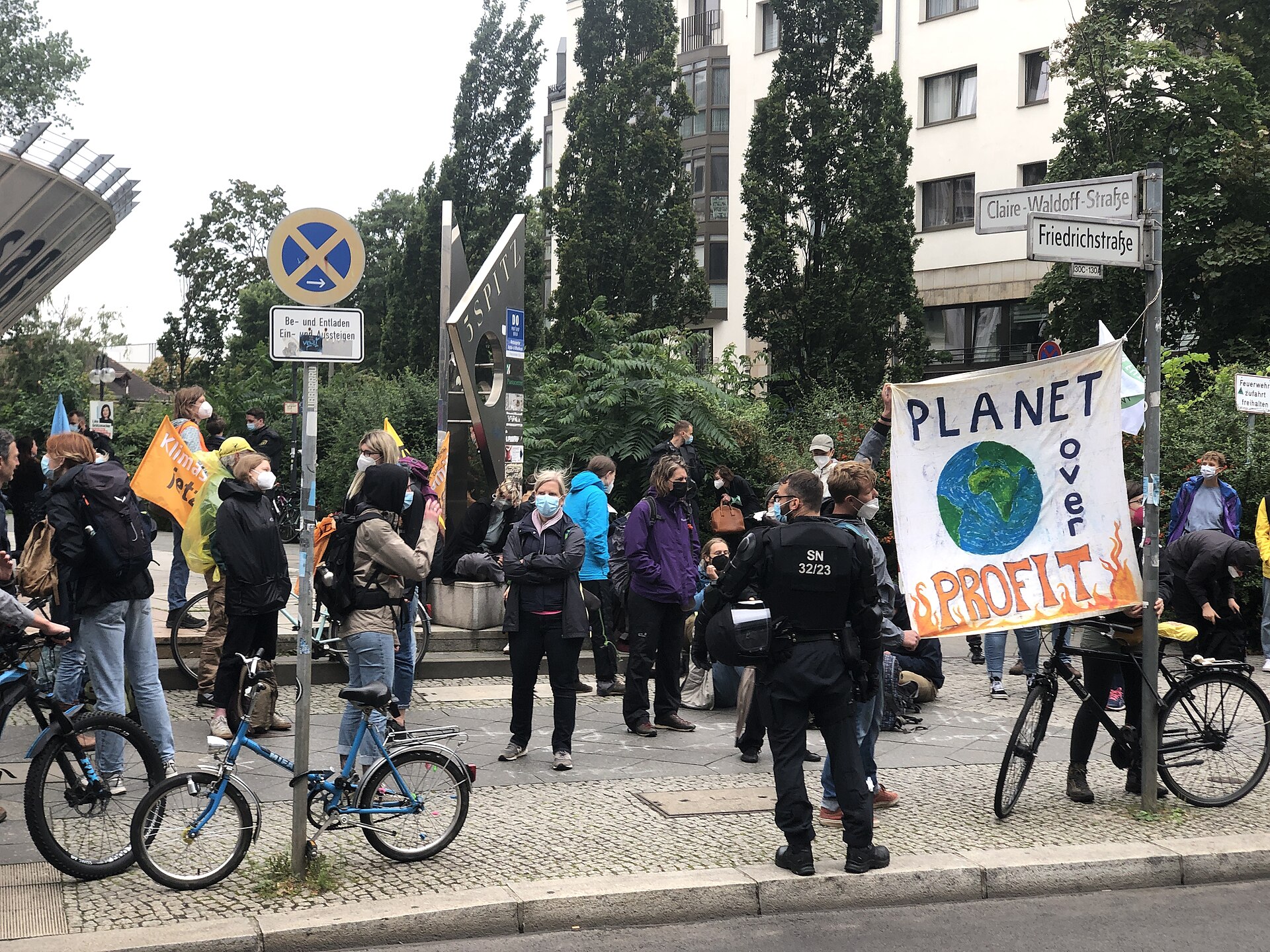
Protests and demonstrations took place outside the plant before the meeting, with workers and the works council expressing frustration and uncertainty, as documented by MDR/dpa. Mike Rösler, chairman of Volkswagen Saxony’s central works council, described a “mixed mood” and “high degree of insecurity” among employees, according to media reports.
Employees point out that prior rounds of cost cutting have already imposed significant burdens, and the repetition of comparative cost statistics by management has amplified unease. The lack of a binding guarantee for the site’s preservation, combined with explicit references to competitiveness and potential options, has strengthened calls from the workforce for clearer timelines, concrete assurances and transparent criteria for any future decisions.
The numbers and group context
Regional reporting provides concrete figures: Zwickau’s workforce has declined from roughly 11,000 to around 8,000 employees; more than 1,000 additional job cuts have been decided, and one of the plant’s two production lines is planned to be shut down next year. Those numbers come from on‑site coverage and are cited in regional and national outlets.
At group level, Volkswagen has presented a broader cost‑cutting agenda. Multiple media pieces refer to an internal, theoretical calculation that could imply up to 50,000 additional roles affected across the company, with roughly half of that figure in Germany. According to reporting by Deutschlandfunk, Blume did not present that figure as a fixed target but as a result of cost assessments. How those scenario calculations translate into concrete measures for individual locations remains uncertain and depends on decisions over product allocation and investment priorities.
Regional economic implications
The Zwickau plant is central to the local industrial ecosystem: suppliers, subcontractors and logistics firms depend on its production volumes. Changes in line use, model allocation or capacity can cascade along supply chains, altering order volumes and employment at supplier sites. The transition to electric vehicles changes where value is created in the production chain, which could mean different investment needs and fewer labour‑intensive processes at some stages.
Local chambers and municipal authorities are monitoring the situation closely, although no comprehensive official local impact assessment has been published in the coverage reviewed. A sustained reduction in activity at Zwickau would likely generate secondary effects: pressures on regional labour markets, adjustments in industrial real estate usage and potential strains on smaller suppliers that do not have diversified customer bases. The degree to which these impacts materialise will depend on whether alternative investments or production allocations can be secured for the region.
Confirmed facts and outstanding questions
What is clear from the reporting: Blume attended the meeting, praised cost efforts, highlighted labour‑cost disparities and said there is no immediate decision to shut plants. The workforce’s concern and the existence of protests are also documented. Reported figures about headcount reduction and the planned mothballing of a production line provide evidence of ongoing structural change at the plant.
Key uncertainties remain. There is no public, detailed corporate statement released specifically about the meeting — Volkswagen has not issued a separate press release with a full transcript of Blume’s remarks, according to available sources. It is therefore unclear when or whether formal decisions about the long‑term status of Zwickau will be made, which models will be assigned to which sites for the 2030s, and how the company intends to balance competitiveness with regional employment commitments. Those questions will determine both labour relations and the economic prospects of the wider supplier base in the coming months.
IO SYNTHESIS
THREE-SOURCE ARTICLE ANALYSIS
Oliver Blume attended an extraordinary works meeting at the VW Zwickau‑Mosel plant on 26 August 2026 (sources: MDR/dpa via tagesschau.de).
OPEN EVIDENCE ↗Blume praised cost‑saving efforts but said labour costs were “more than double” comparable European sites and called closures the “last option” (source: tagesschau.de).
OPEN EVIDENCE ↗Reports say Zwickau’s workforce fell from ~11,000 to ~8,000; over 1,000 additional job cuts were decided and one of two production lines is planned to be shut down next year (sources: MDR/dpa via tagesschau.de).
OPEN EVIDENCE ↗✓ SOURCES AND DOCUMENTS
01 Tagesschau · Wirtschaft ↗02 tagesschau.de ↗03 ardmediathek.de ↗Sources last checked · 27.08.2026, 11:35This article was written and checked by the ZEITUNG.IO newsroom. It is updated when new verified information becomes available.