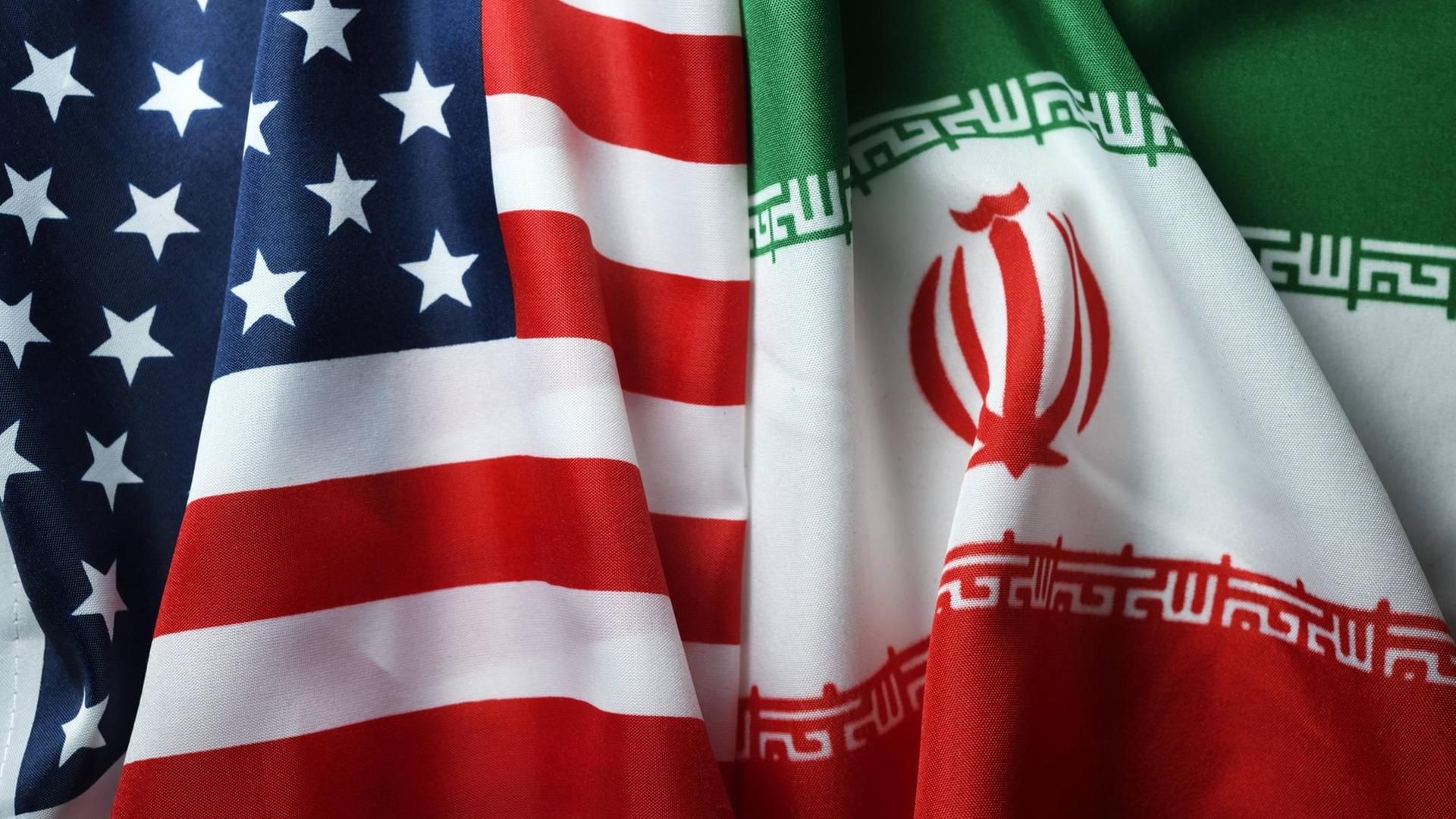
At the end of August 2026, U.S. military forces conducted strikes against facilities in Iran, according to U.S. officials and reporting by major news outlets. The operations took place overnight on August 30–31 and, according to initial statements cited by the Associated Press and Axios, targeted sites Washington says were being used in attacks on merchant shipping and in the emplacement of maritime mines in the Strait of Hormuz. The U.S. accounts described the operation as limited and measured, but did not immediately provide a full catalogue of targets or a detailed assessment of damage.
The strikes followed a spate of incidents in the Gulf region in recent weeks in which commercial vessels suffered explosions, hull damage or other sabotage-like behavior. U.S. officials and several Western media organizations have linked some of those incidents to forces and proxies associated with Iran, prompting Washington to characterize the strikes as defensive operations aimed at degrading capabilities used to threaten international navigation.
- On August 30–31, 2026, U.S. forces carried out strikes against facilities inside Iran, according to U.S. officials and reporting by AP and Axios.
- U.S. authorities said the strikes targeted sites linked to attacks on commercial shipping and the emplacement of maritime mines in the Strait of Hormuz (reports: AP, Axios).
- Initial public reporting did not fully disclose the exact targets, the extent of damage or casualties, nor a comprehensive legal justification provided by Washington (reports: AP, Axios).
U.S. rationale and legal framing
U.S. authorities framed the strikes in public reporting as necessary to protect life, shipping and the principle of freedom of navigation. Officials said the action was intended to reduce the risk of further attacks on commercial vessels. This justification aligns with previous U.S. military doctrine in the region, which has at times authorized pre-emptive or retaliatory strikes against facilities judged to pose an imminent threat.
Legal scholars and some international observers, however, emphasized that strikes on another state’s territory raise complex questions under international law, including whether the conditions for self-defense were met and whether the strikes complied with proportionality and necessity. As of the initial reports, the U.S. had not published a comprehensive legal rationale that would address these questions in detail, leaving room for debate in diplomatic and legal forums.
Regional responses and escalation risks
The strikes add to tensions in the Persian Gulf, a theater already marked by proxy disputes, intense strategic rivalry and acute economic stakes tied to energy transport. Gulf states, European capitals and other international actors have routinely urged de-escalation in past incidents while simultaneously emphasizing the need to protect shipping lanes and their own security interests.
Immediate official reactions from some regional governments were initially limited in the public record, but diplomatic communications are expected to intensify. Militarily, the strikes could prompt an uptick in patrols, escorts for commercial traffic and heightened alert levels across navies operating in the region. There is also a risk that allied proxy forces could respond in asymmetric ways, complicating efforts to contain escalation.
Economic implications
The Strait of Hormuz remains a critical artery for global oil and liquefied natural gas shipments. Military actions or the threat of disruption in the strait can unsettle global energy markets, prompting price volatility. Past incidents have caused insurance premiums for ships operating in the region to rise and have led shipping companies to reconsider routes or to seek naval escorts.
In the short term, markets typically react to uncertainty, and even limited military exchanges can produce price movements as traders price in risk. Over time, the degree of economic impact will hinge on whether the hostilities persist or broaden and how effectively diplomatic and military measures mitigate threats to commercial traffic.
What is known — and what is not
Based on reporting from AP, Axios and other outlets, it is clear that the United States carried out targeted strikes in Iran at the end of August 2026, and that U.S. officials tied the action to attacks on merchant ships and maritime mines. The precise targets hit, the level of damage inflicted, any casualties and the full legal justification have not been fully disclosed in the public domain at the time of initial reporting.
Equally uncertain is the scale and nature of Iran’s immediate response. Tehran’s options range from restrained diplomatic protests to asymmetric military or proxy responses, cyberattacks, or escalatory actions against U.S. forces or regional partners. How Iran actually reacts will shape the trajectory of the crisis in the coming days and weeks.
Outlook and possible next steps
In the near term, expect increased naval activity and heightened vigilance by commercial operators and regional militaries. Western navies may boost patrols to protect shipping lanes, and diplomatic channels will likely be active as governments seek to prevent further escalation. Congressional oversight in the United States and statements from regional capitals will also bear watching, as will any public presentation by Washington of legal and factual grounds for the strikes.
Over the longer term, the situation underscores the fragility of security in the Gulf and the challenges of deterring attacks on shipping without provoking broader conflict. Resolution will require a mix of military deterrence, intensive diplomacy, and mechanisms that can provide transparent investigations into incidents at sea. Until clearer information emerges about the operational effects of the strikes and Tehran’s response, the risk environment around the Strait of Hormuz will remain elevated.
IO SYNTHESIS
THREE-SOURCE ARTICLE ANALYSIS
On August 30–31, 2026, U.S. forces carried out strikes against facilities inside Iran, according to U.S. officials and reporting by AP and Axios.
OPEN EVIDENCE ↗U.S. authorities said the strikes targeted sites linked to attacks on commercial shipping and the emplacement of maritime mines in the Strait of Hormuz (reports: AP, Axios).
OPEN EVIDENCE ↗Initial public reporting did not fully disclose the exact targets, the extent of damage or casualties, nor a comprehensive legal justification provided by Washington (reports: AP, Axios).
OPEN EVIDENCE ↗✓ SOURCES AND DOCUMENTS
01 Tagesschau · Alle Meldungen ↗02 axios.com ↗03 apnews.com ↗Sources last checked · 31.08.2026, 07:10This article was written and checked by the ZEITUNG.IO newsroom. It is updated when new verified information becomes available.