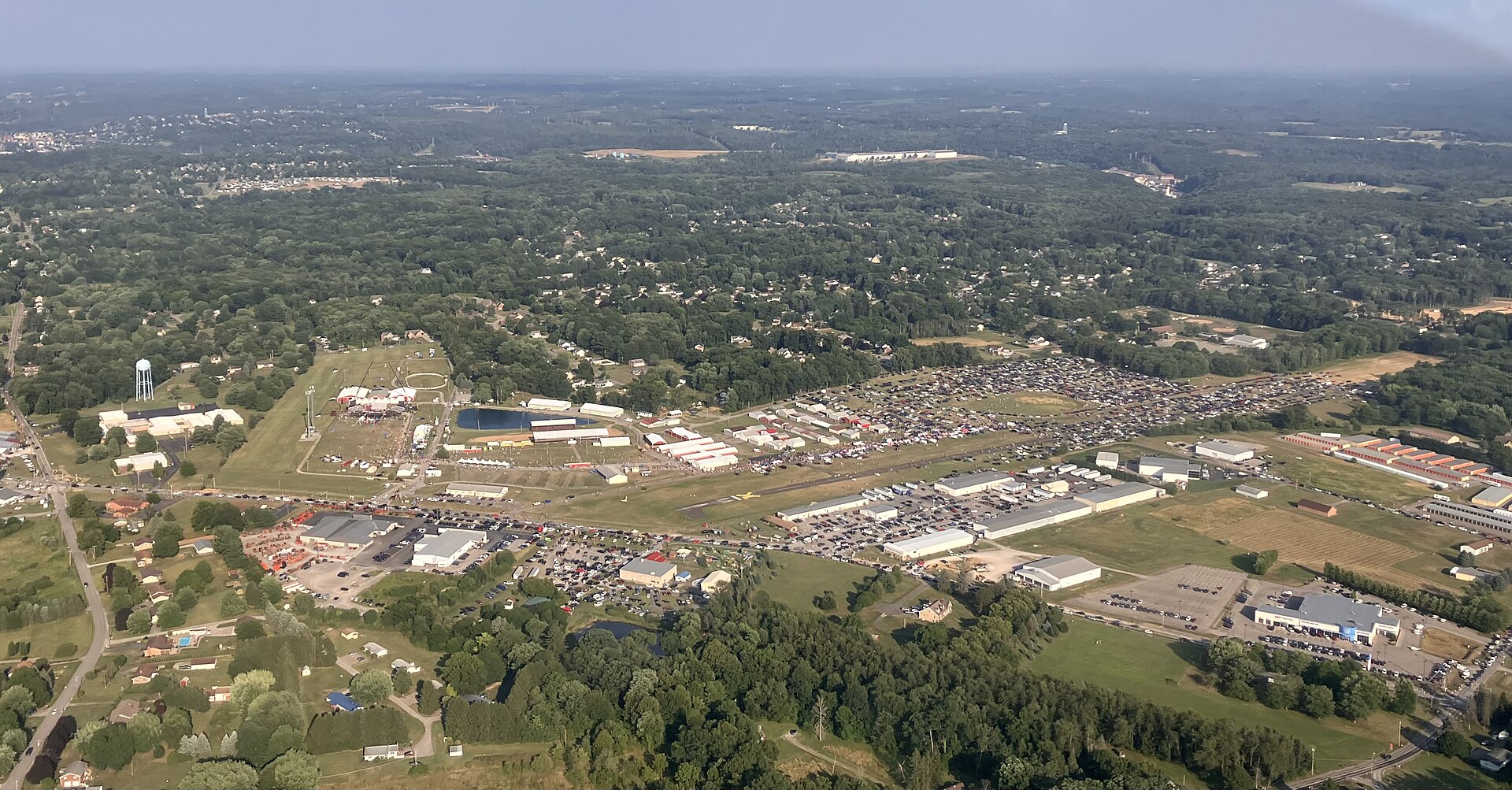
On Oct. 5, 2026, at a campaign rally held at the Pinnacle Bank Expo Center in Grand Island, Nebraska, President Donald Trump made a striking comment during a speech addressing the war with Iran and rising fuel prices: “They can take out a city. Let ’em take out Los Angeles. Let ’em take out San Diego. This is a very small price to pay….” The sentence has been carried by video clips and transcripts and was reported by multiple outlets including the Associated Press and Axios.
According to available transcripts and news reports, the remark occurred as Trump discussed the trade‑offs between military engagement, energy costs and national priorities. The video of the segment was widely shared on social media and cited in mainstream coverage, prompting heavy attention to both the content of the line and the broader context in which it was spoken.
News organisations in the United States and abroad documented the quote and its immediate dissemination. The Austrian daily Die Presse also reported on the episode and noted that White House staff described the media reaction as “Medien‑Hysterie,” which the administration intended to portray as an overblown treatment of the president’s remarks.
- At a campaign rally in Grand Island, Nebraska, on Oct. 5, 2026, President Trump said: “They can take out a city. Let ’em take out Los Angeles. Let ’em take out San Diego. This is a very small price to pay….” (AP, Axios, Die Presse).
- The comment was captured on video and in transcripts and was widely reported by major news outlets (AP, Axios).
- According to Die Presse, the White House described the media coverage of the remark as “media hysteria.”
Political and strategic context
The comment came amid heightened tensions between the United States and Iran. In public discourse, debate has centered on military risks, energy price volatility and the domestic political cost of ongoing confrontation. A president’s language on the potential targeting of American cities is therefore especially sensitive, because it intersects with questions of national security, public reassurance and political responsibility.
Rhetoric at campaign events is often intentionally provocative. Still, for an incumbent president to publicly verbalise such scenarios—naming major U.S. cities as hypothetical targets—represents a notable escalation in tone. Media coverage framed the passage as unusually stark, and observers across the spectrum noted that such formulations could complicate both deterrence messaging and diplomatic channels.
While presidents routinely use forceful language to underline policy choices, there is a difference between rhetorical emphasis and operational policy. Actual military decisions are subject to interagency processes, legal constraints and congressional oversight. Nevertheless, public statements by a head of state factor into international perceptions and can influence how allies, adversaries and domestic constituencies interpret U.S. intentions.
Domestic reactions and the White House response
The passage prompted immediate criticism in media coverage and among political opponents. Reports from the Associated Press and Axios documented swift condemnation from some commentators and a mixed reaction from conservative voices. Critics labelled the remark irresponsible; defenders argued the president was emphasising the costs of conflict.
The White House sought to downplay the controversy. As reported by Die Presse, administration officials characterised press coverage as “media hysteria,” suggesting the quote had been sensationalised. This is a familiar pattern in responses to contentious presidential remarks, and it reflects an attempt to reframe the conversation away from the literal wording and toward broader policy arguments.
How strongly the episode will reverberate politically depends on how opposing campaigns and media outlets choose to use it. In electoral terms, national security statements can both mobilise and alienate voters; opponents will likely exploit the line in political messaging, while supporters may treat the remark as part of a broader tough posture.
International and diplomatic implications
Statements of this kind are watched by foreign governments and international institutions. Even if uttered in a domestic campaign setting, they can be read as signals about resolve or willingness to accept collateral costs, affecting diplomatic calculations. Coverage has already raised questions among analysts and journalists about how such rhetoric might influence negotiation dynamics, alliance cohesion, and the broader effort to manage escalation.
It is important to distinguish between rhetorical posture and formal policy decisions. Military planning and diplomatic initiatives typically follow established channels. However, public utterances by a sitting president carry weight in how other capitals interpret U.S. thresholds for action and acceptable costs, and they can prompt requests for clarification from allied nations or intensify messaging from adversaries.
Whether the comment will prompt formal diplomatic démarches or only further media exchange is not yet clear. The degree to which allies publicly respond will be a test of whether this remained a high‑profile domestic incident or morphs into an issue with tangible international consequences.
Known facts, uncertainties and likely follow‑up
Three elements are firmly established: the quote was spoken by President Trump at a Grand Island rally on Oct. 5, 2026; it was widely disseminated in video and transcript form; and the White House described press coverage as “media hysteria,” according to the Austrian paper Die Presse and reporting that referenced administration statements (AP, Axios, Die Presse).
Open questions include whether the wording will have any operational impact on U.S. policy decisions and how it will shape public opinion beyond the immediate news cycle. The political effect will depend on how opposition campaigns, sympathetic commentators and the administration itself frame the passage in coming days.
In the short term, additional commentary from senior administration officials, formal statements from foreign governments, and follow‑up reporting from major outlets will determine whether this episode becomes a defining controversy or a transient moment in a contentious political environment. For now, the quote provides a concrete reference point in debates about presidential rhetoric, national security communication and the domestic politics of the conflict with Iran.
IO SYNTHESIS
THREE-SOURCE ARTICLE ANALYSIS
At a campaign rally in Grand Island, Nebraska, on Oct. 5, 2026, President Trump said: “They can take out a city. Let ’em take out Los Angeles. Let ’em take out San Diego. This is a very small price to pay….” (AP, Axios, Die Presse).
OPEN EVIDENCE ↗The comment was captured on video and in transcripts and was widely reported by major news outlets (AP, Axios).
OPEN EVIDENCE ↗According to Die Presse, the White House described the media coverage of the remark as “media hysteria.”
OPEN EVIDENCE ↗✓ SOURCES AND DOCUMENTS
01 diepresse.com ↗02 axios.com ↗03 apnews.com ↗Sources last checked · 06.10.2026, 22:40This article was written and checked by the ZEITUNG.IO newsroom. It is updated when new verified information becomes available.