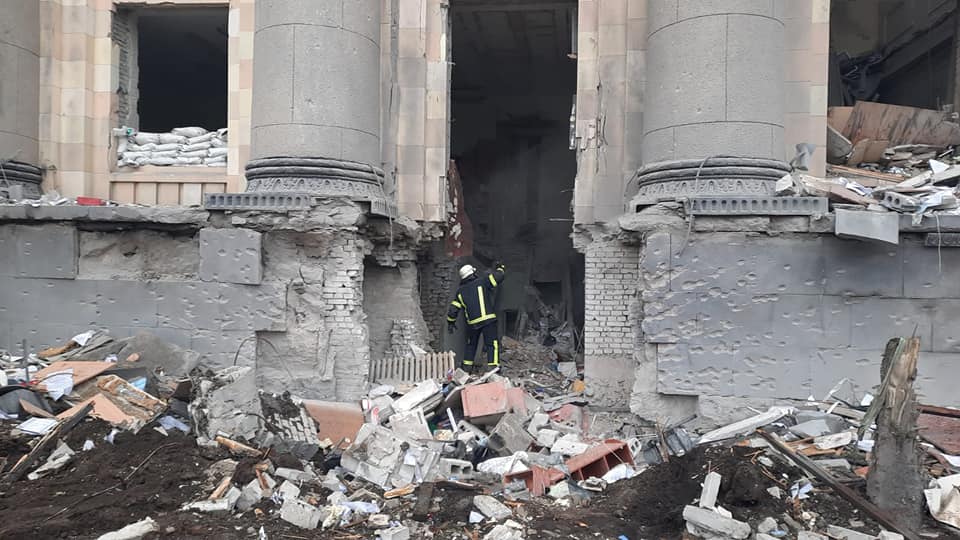
In the night of 23–24 August 2026, separate regional authorities in Ukraine and Russia reported strikes that they said caused civilian deaths. The governor of Ukraine’s Kharkiv region, Oleh Syniehubov, posted on Telegram that an attack on the outskirts of Kharkiv killed at least three people. At roughly the same time, Russian regional officials reported that debris from Ukrainian drone strikes hit civilian areas and logistics facilities in southern Russia, particularly in the Krasnodar region, triggering fires and casualties.
International news agencies including Reuters and the Associated Press (AP) picked up and summarised these local claims. Coverage from public broadcasters such as Germany’s Tagesschau also relayed the regional statements. Early reporting shows immediate discrepancies in casualty figures and in how each side described the incidents; those differences originate in statements by local officials and corporate representatives.
- Events were reported overnight on 23–24 August 2026 by regional authorities in Ukraine and Russia (sources: Reuters, AP, Tagesschau).
- Kharkiv governor Oleh Syniehubov posted on Telegram that a Russian attack on the outskirts of Kharkiv killed at least three people.
- Russian authorities in Krasnodar and the e‑commerce firm Ozon reported that Ukrainian drone strikes hit logistics hubs, caused fires and led to civilian casualties; reported numbers differ between sources.
- International agencies (AP, Reuters) noted they could not independently verify the casualty figures or the attributions at the time of reporting.
What Ukrainian local authorities reported
Kharkiv regional governor Oleh Syniehubov announced the incident on Telegram, saying rescue teams were conducting evacuations and searches after the strike and that at least three civilians had been killed. Multiple outlets repeated his figure as the locally reported minimum. Those numbers, however, come from the regional administration’s statements and have not been independently forensically confirmed by international monitors at the time of reporting.
The report from Kharkiv comes amid ongoing military activity in the north-eastern theatre of the conflict, where the city and surrounding areas have been subject to repeated shelling and strikes. Attribution of the Kharkiv strike as a Russian attack is based on Ukrainian regional claims; independent verification establishing responsibility was not available in the immediate aftermath of the incident.
Russian regional claims and Ozon’s account
Russian officials in the Krasnodar region said that debris from Ukrainian drones struck civilian districts and logistics hubs. Krasnodar governor Veniamin Kondratyev reported civilian casualties, including children, and Russia’s commissioner for children’s rights, Maria Lvova‑Belova, posted casualty figures as well. Western agencies noted differences between Russian statements: Reuters cited local officials reporting the deaths of children, while AP reported that Lvova‑Belova gave a different figure, reflecting inconsistency among official sources.
The Russian e‑commerce company Ozon said in its communications that a logistics hub in the Krasnodar area had caught fire after overnight strikes and that multiple company facilities in southern regions were affected. Agency reports attribute these operational impact claims to company posts and statements; they are therefore corporate accounts rather than independently confirmed assessments of damage.
Discrepancies and limits to verification
Published casualty numbers vary by source. The Kharkiv governor’s figure of at least three dead is consistent in Ukrainian regional reporting, but Russian numbers differ across statements from regional officials and the children’s commissioner. Such variation is common in early reporting from active conflict zones, but it underlines the need to attribute figures precisely and to treat initial totals with caution.
Agencies including AP explicitly stated they could not independently verify each side’s casualty reports at the time. Neither the United Nations nor independent observers had announced forensic confirmation of the specific death tolls or the precise circumstances of the incidents when the reports were filed. Attribution of responsibility largely follows the claims of the parties involved rather than independent forensic or geolocation evidence.
Wider context and consequences
The incidents are part of a broader pattern in which both sides have targeted not only frontline military positions but also logistics and infrastructure in rear areas. Logistics hubs and supply lines in southern Russia and Ukraine have repeatedly been reported as targets amid the conflict, and companies operating such facilities publicly report disruptions when attacked. Damage to logistics infrastructure has direct economic consequences and can also have humanitarian effects by hindering the movement of goods and aid.
The timing of the strikes — shortly after Ukraine’s Independence Day and amid heightened military activity — may heighten political sensitivity around the reports. Civilian casualties, especially those involving children as alleged by Russian officials, carry immediate humanitarian and diplomatic implications. International humanitarian organisations and human rights groups typically call for independent investigations in such cases, but none had presented verified findings at the time of the initial reports.
What is established — and what remains open
What is established from available sources is that on 23–24 August 2026 both sides reported incidents involving civilian deaths and damage: the Kharkiv regional governor reported at least three fatalities after an attack near the city; Russian authorities and the company Ozon reported fires and casualties after drone strikes on logistics sites in Krasnodar. Those claims are documented in statements by regional officials and corporate communications and were summarised by Reuters, AP and other outlets.
What remains open are independent, forensic confirmations of casualty numbers, the detailed circumstances of each strike, and irrefutable attribution through public evidence such as imagery geolocation or weapon‑type analysis. Journalistic practice and international monitoring will require time to collate on‑the‑ground verification, cross‑check records and, where possible, draw conclusions grounded in corroborated material rather than initial claims.
IO SYNTHESIS
THREE-SOURCE ARTICLE ANALYSIS
Events were reported overnight on 23–24 August 2026 by regional authorities in Ukraine and Russia (sources: Reuters, AP, Tagesschau).
OPEN EVIDENCE ↗Kharkiv governor Oleh Syniehubov posted on Telegram that a Russian attack on the outskirts of Kharkiv killed at least three people.
OPEN EVIDENCE ↗Russian authorities in Krasnodar and the e‑commerce firm Ozon reported that Ukrainian drone strikes hit logistics hubs, caused fires and led to civilian casualties; reported numbers differ between sources.
OPEN EVIDENCE ↗✓ SOURCES AND DOCUMENTS
01 tagesschau.de ↗02 apnews.com ↗03 apnews.com ↗Sources last checked · 26.08.2026, 14:12This article was written and checked by the ZEITUNG.IO newsroom. It is updated when new verified information becomes available.