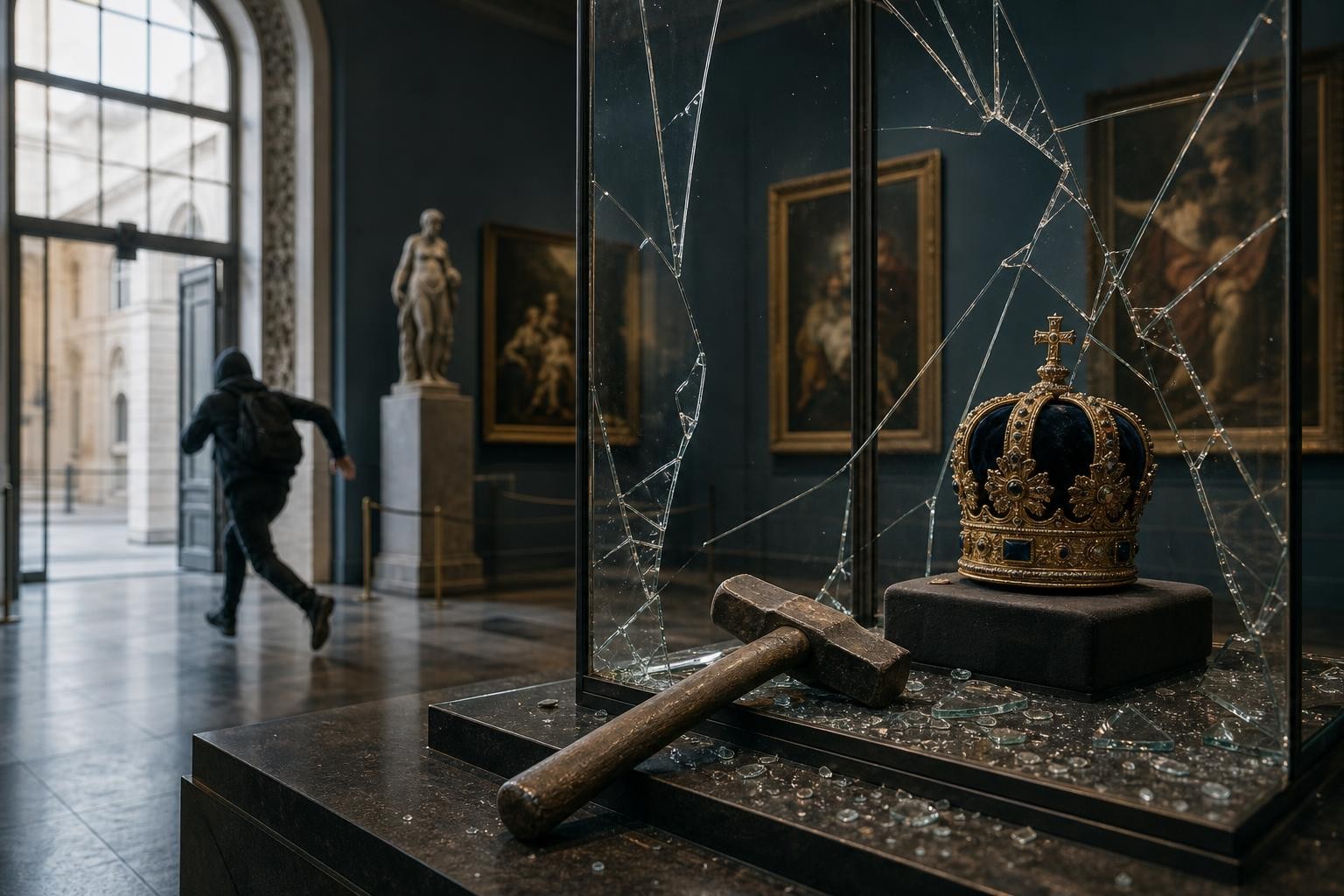
On 24 August 2026 Europol published a Spotlight report titled “Changing tactics, changing targets: the evolving nature of museum heists”. The analysis, picked up by law enforcement and cultural sector commentators across Europe, charts a change in some museum thefts: away from the methodical, low‑profile ‘master thief’ modus operandi toward more confrontational and at times violent robberies. Europol notes an increase in incidents in which offenders use visible force or accept the presence of staff and visitors as they extract easily portable, high‑value items—chiefly jewellery and small metal artifacts.
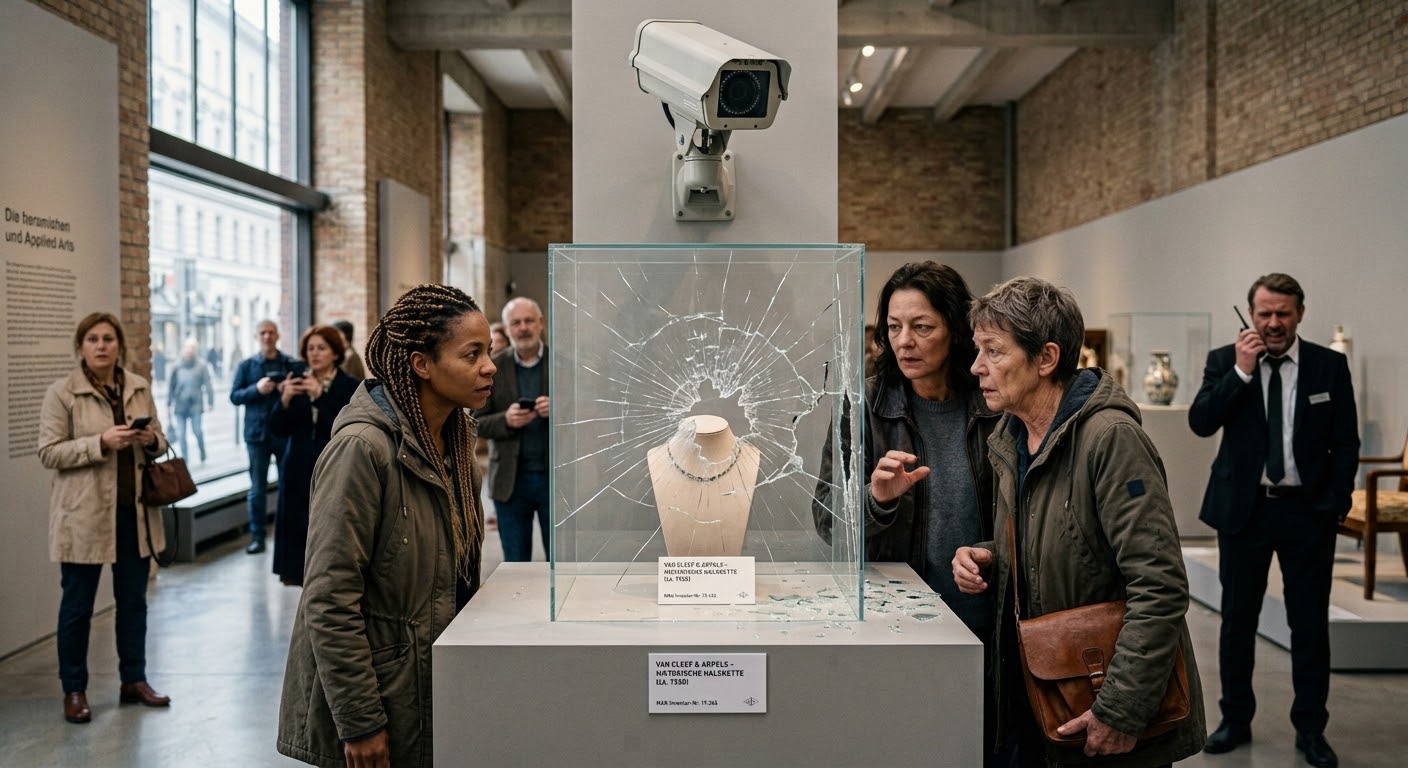
The report followed several high‑profile cases that analysts say exemplify the developing pattern. Europol cites incidents such as the 2025 Louvre jewellery theft and more recent events including the theft of the Tesoro de Villena in Spain and a theft at Vienna’s MAK museum that resulted in the loss of a Van Cleef & Arpels necklace. These episodes, according to Europol and independent reporting in outlets such as The Guardian and Reuters, help to illustrate a broader, worrying trend in parts of Europe.
- Europol published the Spotlight report “Changing tactics, changing targets: the evolving nature of museum heists” on 24 August 2026.
- Europol and independent media note an increase in confrontational, at times violent, thefts in European museums, particularly targeting portable items such as jewellery.
- Reported cases cited in coverage include the theft of the Tesoro de Villena (Spain, 27 August 2026) and a theft at Vienna’s MAK involving a Van Cleef & Arpels necklace.
Case evidence versus broad trend assessment
The specific incidents are verifiable: Spanish media and local outlets reported the theft of the Tesoro de Villena on 27 August 2026, and the MAK issued a press statement on 27 August confirming the loss of a Van Cleef & Arpels piece. Europol and subsequent coverage use these cases to identify emerging patterns. That said, the presence of several high‑profile violent robberies does not mean that all museum thefts across Europe have become violent. Instead, the report shows a growing subset of thefts adopting confrontational tactics.
Methodologically, Europol’s conclusions rest on a combination of police reports, investigation files and cultural sector reporting. The agency itself cautions that gaps in data and different reporting standards across member states make it difficult to calculate exact incidence rates. As a result, the prevalence of the new tactics varies by region and by the types of objects targeted.
Why tactics may be changing: drivers and incentives
Europol does not assign a single cause, but several plausible drivers are under discussion in the sector. One central explanation is economic: jewellery and small metal artefacts are easy to carry and sell, whether into black markets, to private collectors or via opaque intermediaries. Another factor is the legacy of staffing and budget reductions that followed the Covid era; some museums remain understaffed or under‑resourced for constant frontline security, industry observers say. Digital markets have also altered the calculus for criminals: the ability to move and monetise small, recognisable items quickly makes them more attractive than bulky paintings.
A further point concerns criminal organisation. Europol emphasises that many cases require cross‑border investigative cooperation because the stolen objects are often moved quickly across borders. Whether these thefts are predominantly the work of organised criminal groups or opportunistic actors remains a contested question, and one that has implications for policing and prevention strategies.
Practical repercussions for museums, insurers and loans
The immediate operational consequences for museums are clear: security hardware, staffing levels and visitor management come under renewed scrutiny. The cultural sector is likely to see changes in how loan agreements are negotiated, with lenders and borrowing institutions potentially demanding stricter conditions or declining to send portable high‑value objects. Insurance companies, faced with a shifting risk profile, may raise premiums for certain categories of items or impose stricter security requirements.
Beyond the operational and financial dimensions, there is a cultural question about the character of museums as open and educational spaces. Additional glass cases, barriers or visible security measures alter the visitor experience and raise questions about accessibility. Europol’s framing points to the need for balance between safeguarding collections and preserving the public role of museums, but it does not offer a single technical solution; responses will vary by institution and country.
What is known and what remains uncertain
What is documented and supported by evidence is the emergence of a cluster of more confrontational museum thefts: Europol’s report and verified incidents such as the Tesoro de Villena theft and the MAK necklace case attest to a real phenomenon. Also corroborated is the pattern that perpetrators increasingly target small, transportable high‑value objects and that investigations often involve cross‑border elements requiring coordination.
Less certain are the overall scale and longevity of the trend, along with the precise composition of offender networks. Are we observing a temporary spike, a tactical evolution among organised crime groups, or a longer‑term shift driven by market dynamics and security shortfalls? Europol can facilitate information sharing and help coordinate investigations, but addressing the underlying causes will require resources, policy choices and potentially new standards in the cultural sector. How states, museums and insurers respond in policy and practice will determine whether the rise in confrontational thefts is contained, transformed or normalized.
IO SYNTHESIS
THREE-SOURCE ARTICLE ANALYSIS
Europol published the Spotlight report “Changing tactics, changing targets: the evolving nature of museum heists” on 24 August 2026.
OPEN EVIDENCE ↗Europol and independent media note an increase in confrontational, at times violent, thefts in European museums, particularly targeting portable items such as jewellery.
OPEN EVIDENCE ↗Reported cases cited in coverage include the theft of the Tesoro de Villena (Spain, 27 August 2026) and a theft at Vienna’s MAK involving a Van Cleef & Arpels necklace.
OPEN EVIDENCE ↗✓ SOURCES AND DOCUMENTS
01 diepresse.com ↗02 rtve.es ↗03 europol.europa.eu ↗Sources last checked · 28.08.2026, 12:35This article was written and checked by the ZEITUNG.IO newsroom. It is updated when new verified information becomes available.