In April 2018 the then‑22‑year‑old Jennifer S. vanished from Lower Austria. Her disappearance sparked local searches and media attention, but investigators were unable to locate her for years. The case remained an unresolved missing persons matter for an extended period, leaving family members and law enforcement with unanswered questions.
The investigation took a decisive turn after a man allegedly confessed in December 2025. According to a public statement by the Vienna Public Prosecutor’s Office, the 33‑year‑old then led investigators to the location of human remains. On 15 June 2026 the prosecutor’s office announced an indictment for murder, transforming the long-outstanding missing person inquiry into a formal criminal prosecution.
A range of Austrian media outlets, including ORF and Der Standard, have reported the same basic facts published by the prosecutor’s office: the accused is described as a former partner of the victim, and his statements resulted in the discovery of remains. For investigators and the victim’s relatives, the indictment represents a legal turning point: the case will now be examined in open court under criminal procedure.
- Die Staatsanwaltschaft Wien erhob am 15. Juni 2026 Anklage wegen Mordes im Fall Jennifer S.
- Der Beschuldigte ist ein 33‑jähriger Mann, der als Ex‑Partner der Vermissten geführt wird und im Dezember 2025 geständig war.
- Der Mann führte Ermittler zu Überresten, die zunächst in der Nähe von Großweikersdorf (Bezirk Tulln) vergraben gewesen sein sollen.
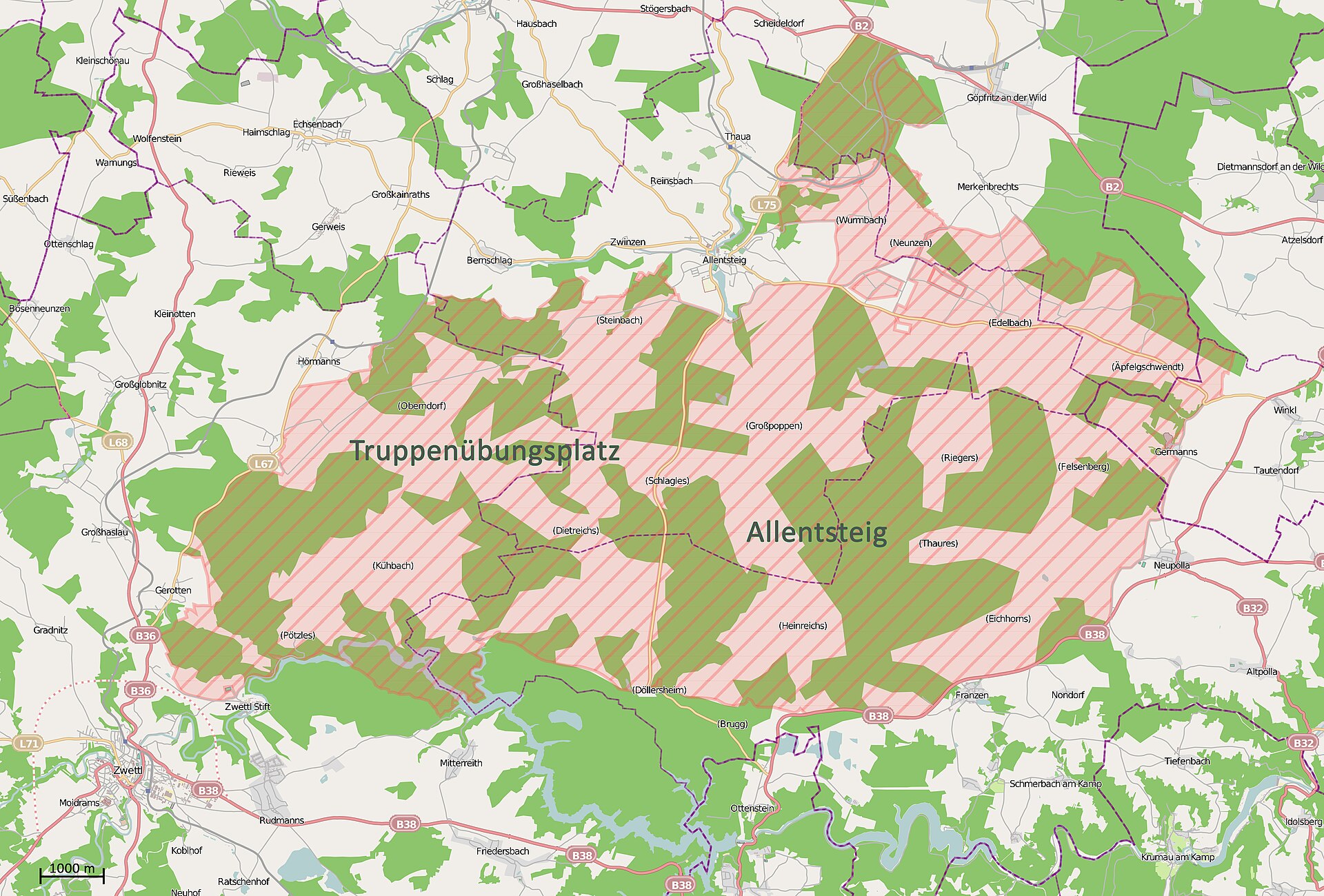
- Teile der Überreste wurden später in der Nähe des Truppenübungsplatzes Allentsteig (Bezirk Zwettl) aufgefunden.
- Der Prozess gegen den Angeklagten wurde für Ende August 2026 angesetzt.
Arrest, confession and forensic follow‑up
The prosecution says the indictment is based in part on a confession given in December 2025 and on subsequent investigative steps. Authorities report that the remains were initially buried near Großweikersdorf in the Tulln district and were later found near the Allentsteig military training area in the Zwettl district. Those details formed part of the prosecutor’s written submissions in June.
Recovering and analysing remains that have been buried for years presents significant forensic challenges. Forensic pathologists and crime scene technicians must evaluate what can still be determined about cause and time of death, and whether skeletal remains can yield reliable information about injuries consistent with a criminal act. Environmental factors such as soil acidity, weather exposure and animal activity can markedly degrade physical evidence over time.
Investigators have also been working to secure traces at locations connected to the accused. Police measures reportedly included witness interviews, house searches and digital evidence collection. The combination of a confession, recovered remains and corroborating forensic indications was evidently considered sufficient by the public prosecutor to bring a murder indictment.
The charges and the upcoming trial phase
By filing an indictment for murder in mid‑June, the Vienna prosecutor indicated it believed there was enough evidence to proceed to a main hearing. The trial was scheduled to begin towards the end of August 2026. In Austria, a murder charge triggers a full criminal process in which the prosecution must prove guilt beyond a reasonable doubt through witness testimony, expert reports and other evidence.
The defendant will be entitled to full defence rights, including the opportunity to challenge evidence and to present exculpatory material. Court procedure will involve the presentation and examination of forensic reports, witness statements and any material evidence. The exact content of the indictment — for example, any asserted motive, precise allegations about the way the offence was carried out, and the timeline of events — will be introduced during the proceedings.
If convicted of murder under Austrian law, a defendant faces severe penalties. The court will have to weigh the totality of evidence presented by both sides and determine criminal liability and appropriate sentencing. Until the court reaches a decision, the indictment remains an accusatory instrument, not a verdict.
What investigators still must establish
Despite the confession and the discovery of remains, investigators have several unresolved questions to address. Authorities must still determine the precise circumstances of death, whether the remains can be conclusively identified as those of Jennifer S., whether the alleged facts demonstrate premeditation, and whether any other individuals were involved or aware of the events.
Forensic analysis will be central to these inquiries. Skeletal remains can sometimes be matched through DNA analysis to family members, and bone trauma analysis can indicate whether injuries were ante‑mortem and of a nature consistent with specific types of violence. Yet long post‑mortem intervals complicate such assessments, and the prosecution’s ability to prove elements like time and manner of death may be limited by the condition of the remains.
Investigators will also consider non‑forensic evidence, including cellphone and digital data, witness testimony and the accused’s own statements. The prosecution’s task is to assemble these disparate strands into a coherent account that meets the legal standard for conviction.
Local impact and broader questions for police work
For the woman’s relatives the indictment brings the prospect of formal answers and the possibility of closure, while reopening painful memories of a loss that remained unresolved for years. On a local and national level, the case has rekindled discussion about how missing person cases are investigated and resourced over long time spans.
Police and prosecutors will likely face scrutiny over investigative choices and case handling in the years after the disappearance. Observers and victim advocates often point to the need for sustained attention, better data handling, and faster forensic follow‑up in missing person cases, but concrete policy changes typically require political and administrative decisions beyond any single trial.
Ultimately, the trial in Vienna will test how effectively the justice system can assemble long‑delayed forensic and testimonial evidence into a legally conclusive narrative. While the indictment formalises the accusation, it is the court procedure and the evidence presented there that will determine whether the allegations result in a conviction and what unanswered questions may remain afterwards.
IO SYNTHESIS
THREE-SOURCE ARTICLE ANALYSIS
Die Staatsanwaltschaft Wien erhob am 15. Juni 2026 Anklage wegen Mordes im Fall Jennifer S.
OPEN EVIDENCE ↗Der Beschuldigte ist ein 33‑jähriger Mann, der als Ex‑Partner der Vermissten geführt wird und im Dezember 2025 geständig war.
OPEN EVIDENCE ↗Der Mann führte Ermittler zu Überresten, die zunächst in der Nähe von Großweikersdorf (Bezirk Tulln) vergraben gewesen sein sollen.
OPEN EVIDENCE ↗✓ SOURCES AND DOCUMENTS
01 derstandard.at ↗02 wien.orf.at ↗03 sn.at ↗Sources last checked · 27.08.2026, 03:50This article was written and checked by the ZEITUNG.IO newsroom. It is updated when new verified information becomes available.