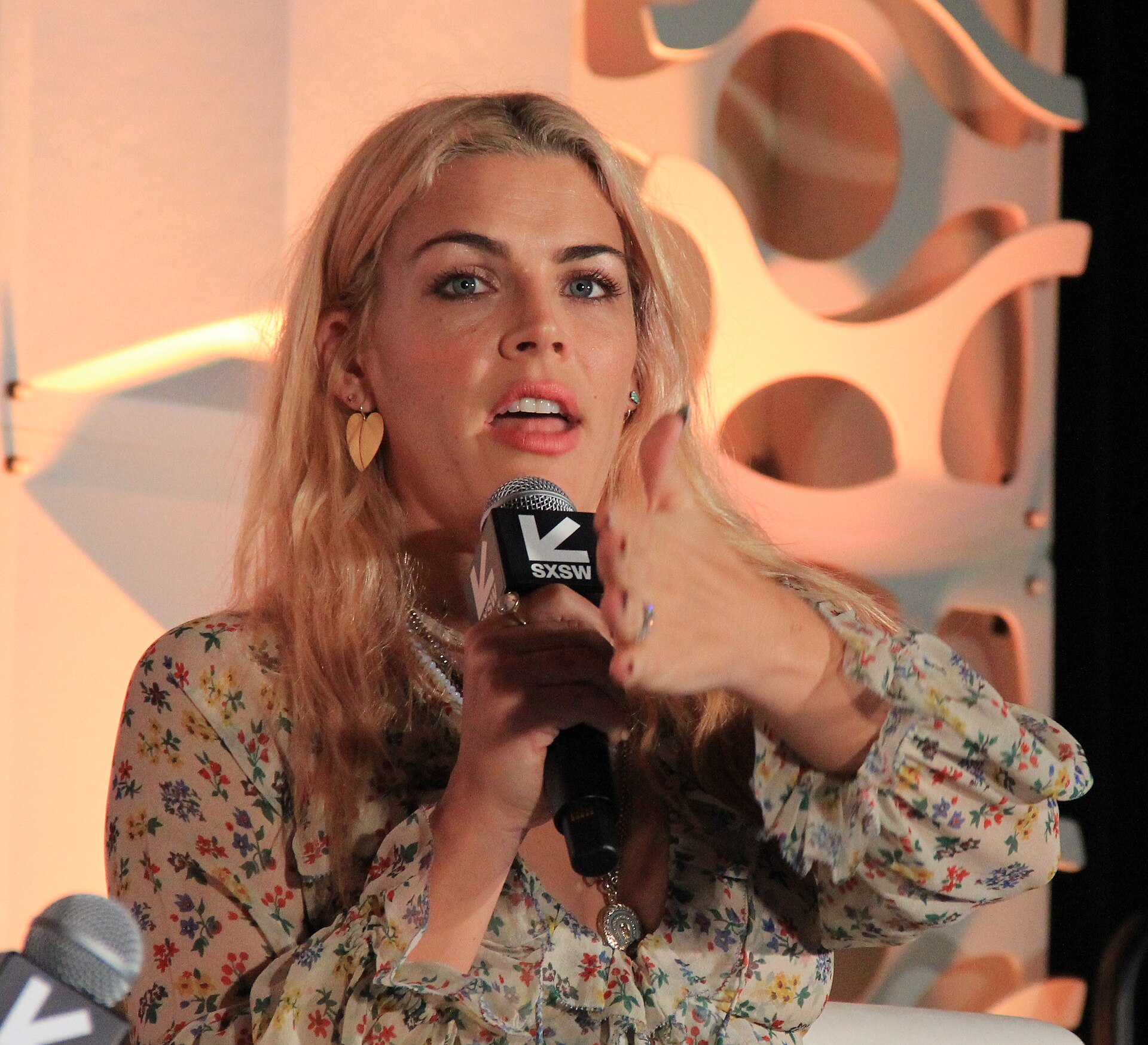
Busy Philipps, an American actress known for television and film roles spanning the late 1990s to the present, told a personal medical story in an interview first published by People on 26 August 2026. International outlets including The Guardian, The Daily Beast, Good Morning America and Austria’s Kurier subsequently reported on the interview and on Philipps’ decision to make the diagnosis public.
The consistent elements across those reports are straightforward: Philipps disclosed that she had been diagnosed with a rare brain tumour and that she has already undergone two surgical procedures. Beyond those central facts, the published coverage varies in emphasis — some outlets foreground Philipps’ expressed gratitude and reflections on life, others focus on the medical chronology or on potential consequences for her professional commitments.
- Busy Philipps announced a diagnosis of a rare brain tumour in an interview first published by People on 26 August 2026.
- According to multiple reports (The Guardian, The Daily Beast, Good Morning America), she has undergone two surgeries related to the tumour.
- The interview and subsequent reporting did not disclose detailed medical findings or a full treatment plan; additional clinical information has not been publicly released.
What the media accounts make clear — and what they do not
The media reporting provides verification of the diagnosis and of the surgeries, but stops short of detailed medical disclosure. None of the articles cited a full medical report with histological diagnosis, operative notes or a comprehensive treatment plan. The available public statements, as reported, give an account of the broad course of events but omit specific clinical details that would determine prognosis and next steps.
Some outlets describe the tumour as ‚rare‘ — a descriptor that has been used by The Daily Beast and appears throughout the coverage — but they do not identify the tumour subtype. For clinicians and researchers, ‘brain tumour’ is an umbrella term that covers a wide range of conditions, from benign extra-axial tumours to highly malignant gliomas, and the clinical implications vary greatly between those entities.
Medical context and limits to public information
From a medical standpoint, the distinction between different tumour types — location, grade, molecular markers and resectability — is crucial for predicting outcomes and selecting treatments. The published reports confirm surgical intervention took place twice, indicating that neurosurgical management was necessary; however, further treatments commonly used in neuro-oncology, such as radiotherapy, chemotherapy or targeted therapies, were not discussed in detail in the cited coverage.
Because the media accounts do not provide clinical specifics, medical professionals and informed readers must avoid inferring prognosis or long-term outcome. The course after neurosurgery can range from complete recovery with minimal aftereffects to prolonged rehabilitation or ongoing therapy, depending on multiple factors. That uncertainty is reflected in the cautious tone of responsible reporting.
Public reaction, privacy and the role of celebrity disclosures
When a well-known figure shares a serious medical diagnosis, the disclosure often triggers a surge of public attention and a mixture of supportive messages, personal testimony from others with similar conditions, and requests for further information. Philipps’ announcement has prompted expressions of support across social media and coverage by mainstream outlets, while those outlets that treat medical issues rigorously have emphasised verified facts and refrained from speculation.
There are trade-offs to such openness. For the individual, public disclosure can be empowering and can mobilise support or awareness; it can also invite invasive curiosity and unverified medical commentary. Media responsibility — grounded reporting, clear attribution and a focus on confirmed information — becomes especially important in these situations.
Implications for work and public life
The practical consequences for Philipps’ professional commitments will depend on her recovery and on clinical recommendations. In the entertainment industry, production schedules can sometimes be adapted to accommodate health-related absences, but repeated or long-term treatments can affect an actor’s availability and capacity to perform demanding roles. At the same time, some public figures choose to use their platform to raise awareness or advocate for research, and such initiatives can alter public perception and priorities around a condition.
At present, the reports do not list any cancelled or postponed projects attributable to the diagnosis, nor do they outline how Philipps plans to balance treatment and work. Those are matters likely to evolve in the coming weeks and months as her medical team and she determine next steps.
Confirmed facts and open questions
The confirmed details are limited and specific: Busy Philipps announced via an interview first published in People (26 August 2026) that she had been diagnosed with a rare brain tumour, and media outlets reported she had undergone two surgeries. These points are corroborated by multiple outlets, including The Guardian, The Daily Beast, Good Morning America and Kurier.
What remains unknown in the public domain are the tumour’s precise pathological characteristics, the results of any post-operative investigations, the definitive prognosis and whether further therapies have been or will be initiated. How much additional medical information Philipps chooses to share, and on what timeline, is a personal decision; meanwhile, journalists and readers should distinguish confirmed statements from speculation and respect the limits of publicly available medical detail.
IO SYNTHESIS
THREE-SOURCE ARTICLE ANALYSIS
Busy Philipps announced a diagnosis of a rare brain tumour in an interview first published by People on 26 August 2026.
OPEN EVIDENCE ↗According to multiple reports (The Guardian, The Daily Beast, Good Morning America), she has undergone two surgeries related to the tumour.
OPEN EVIDENCE ↗The interview and subsequent reporting did not disclose detailed medical findings or a full treatment plan; additional clinical information has not been publicly released.
OPEN EVIDENCE ↗✓ SOURCES AND DOCUMENTS
01 kurier.at ↗02 thedailybeast.com ↗03 theguardian.com ↗Sources last checked · 27.08.2026, 11:18This article was written and checked by the ZEITUNG.IO newsroom. It is updated when new verified information becomes available.