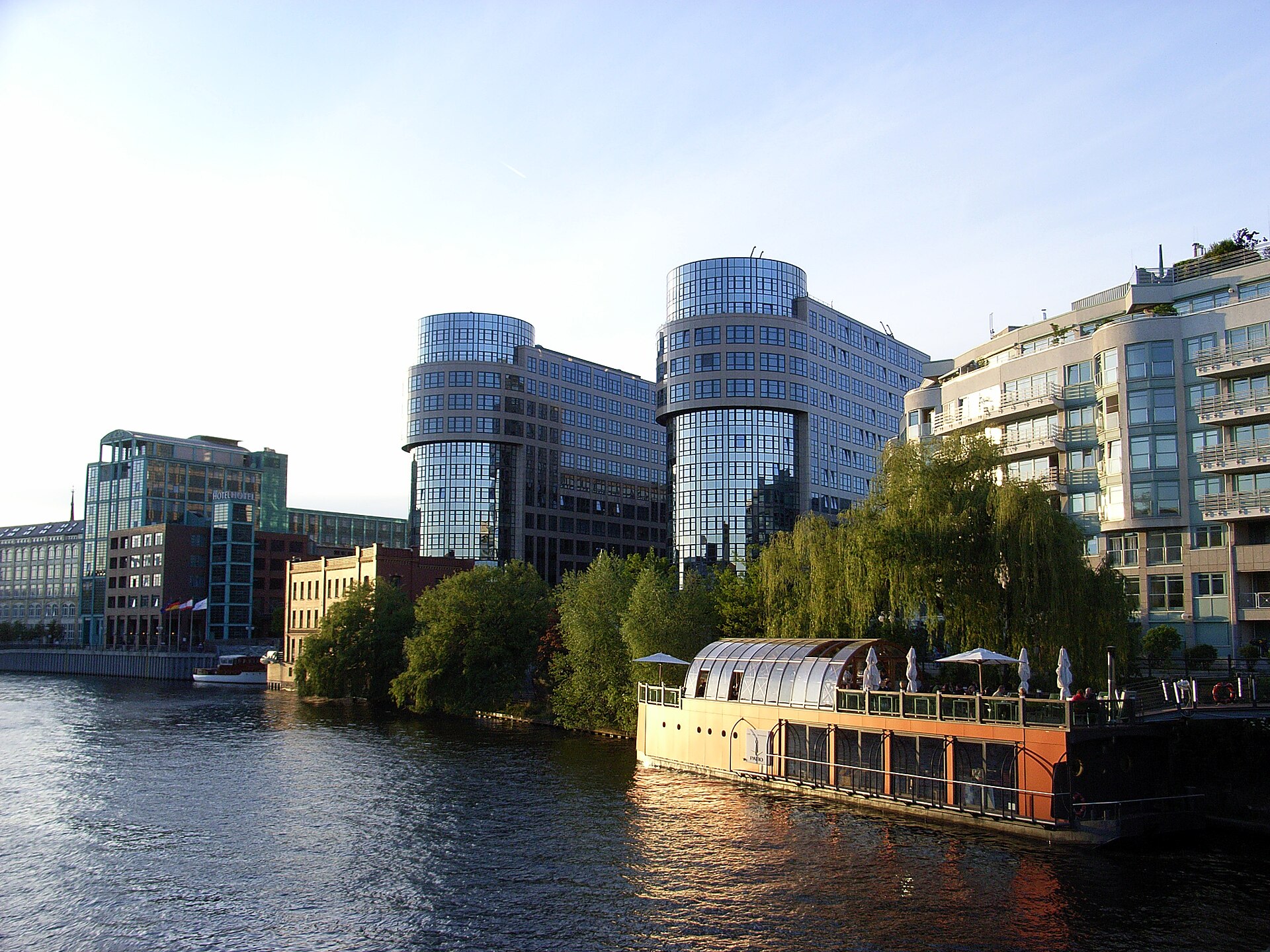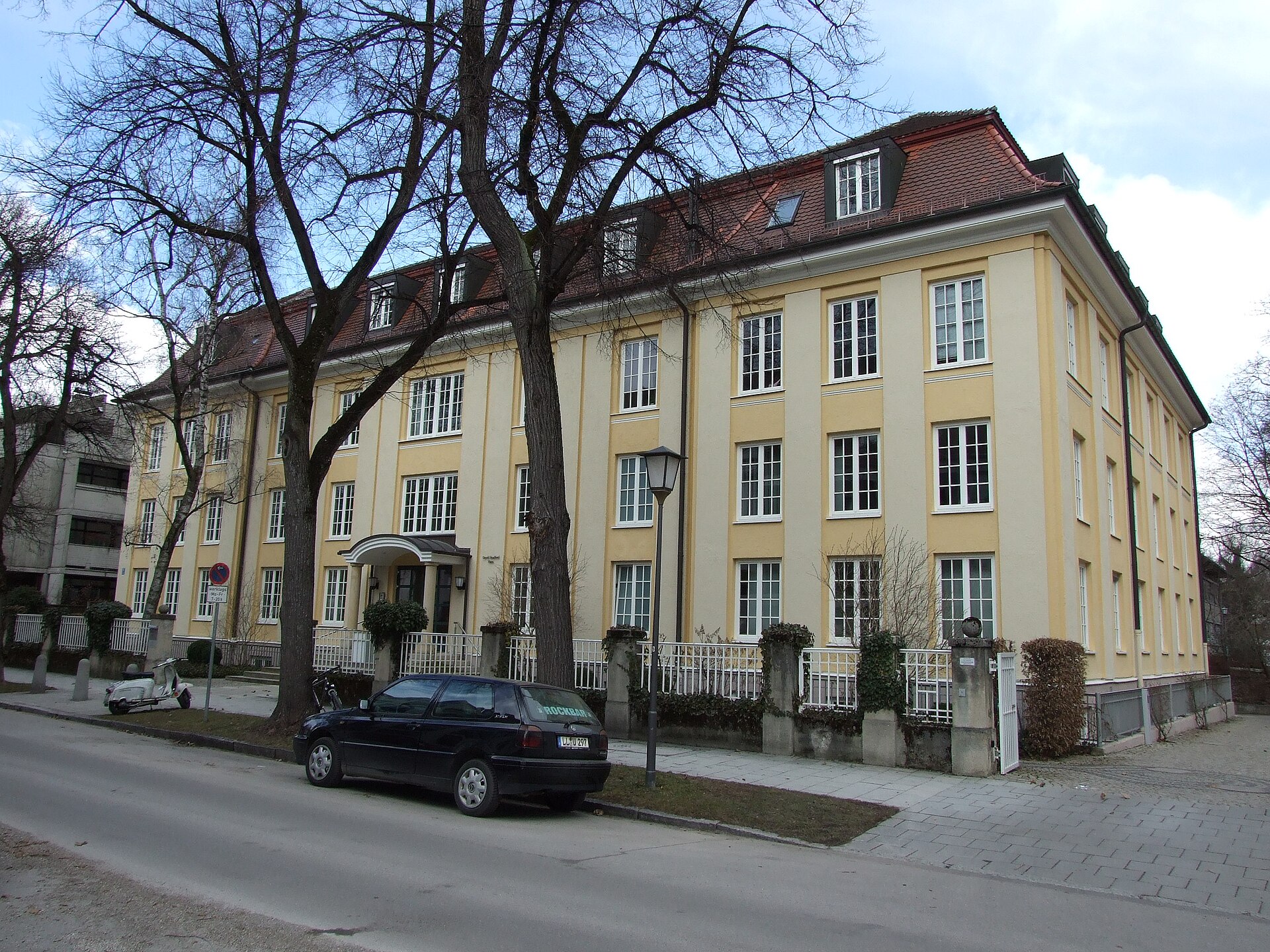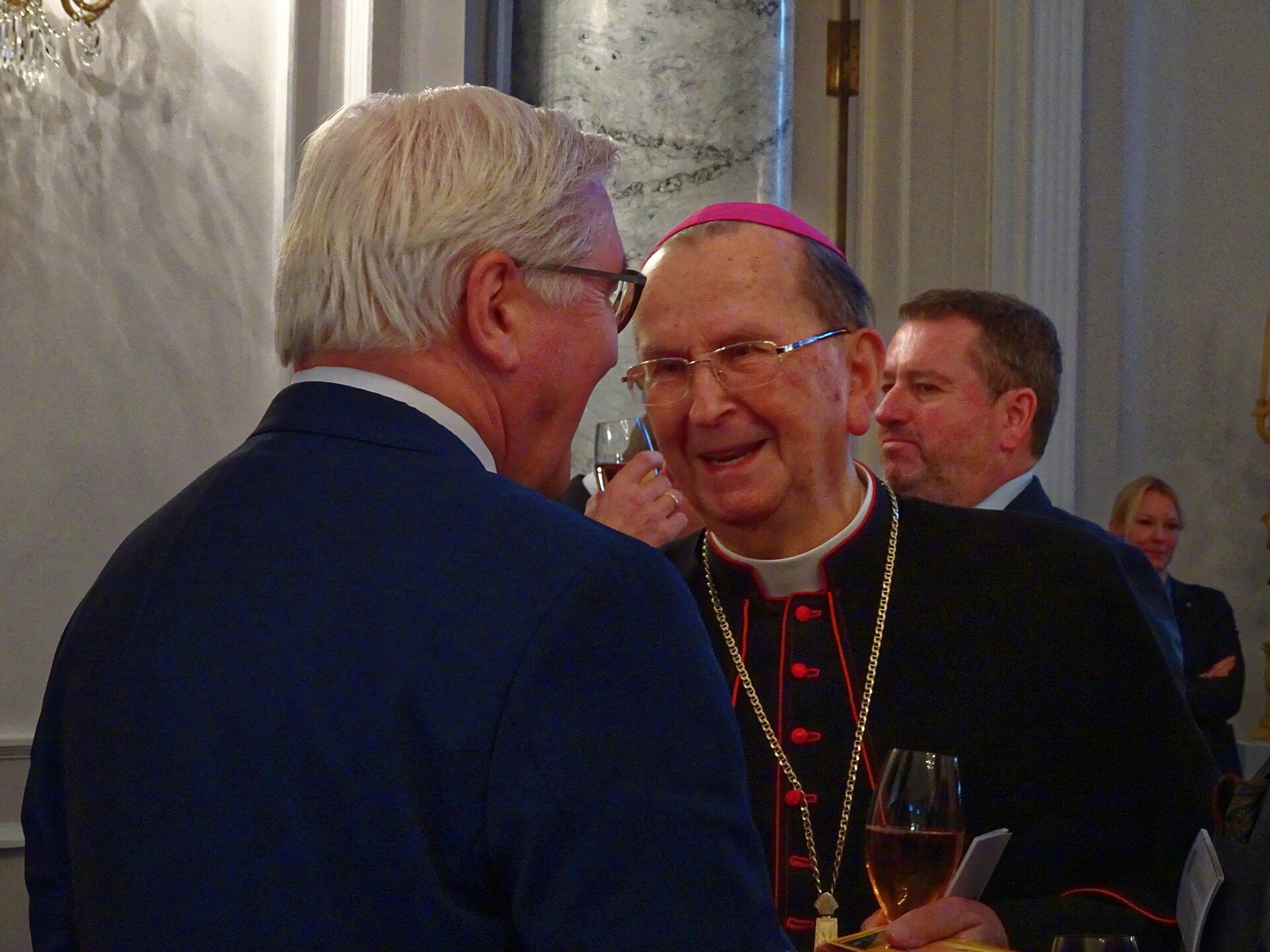
On 25 August 2026, German President Frank‑Walter Steinmeier delivered a speech on migration as part of the panel discussion titled “At Home in Germany. How We Live Together.” The event took place at his provisional official residence on the Spreebogen in Berlin. According to several media reports, including Tagesschau and Deutschlandfunk, this was the first audience‑facing panel event held at that location since the president’s office was temporarily relocated. The discussion convened participants from politics, academia and civil society; Steinmeier used the session to place questions of migration, identity and democratic cohesion at the center of public debate.
The physical setting matters: a provisional seat of the presidency hosting an open forum signals an institutional willingness to engage the public directly on contentious social issues. National broadcasters covered the event extensively and noted that a presidential appearance in such an interactive format elevates the political and symbolic weight of the remarks.
- On 25 August 2026 President Frank‑Walter Steinmeier spoke at the panel “At Home in Germany. How We Live Together” in Berlin.
- The event took place at the provisional presidential seat on the Spreebogen and was reported to be the first audience/panel event held there.
- Steinmeier warned against a return to “völkisch” (ethnonationalist) thinking and said migration “brings strength, but also costs strength” (reported by Tagesschau, Deutschlandfunk, ZDF).
Main messages of the speech
Steinmeier’s speech emphasized normative boundaries and democratic principles. Citing national media coverage, he warned against a relapse into what he described as “völkisch” or ethnonationalist thinking, urging a clear rejection of ideologies that rank people by descent or purported cultural homogeneity. Such rhetoric, he argued, corrodes democratic foundations and fosters exclusion and polarization.
A notable formulation reported by Tagesschau captured the ambivalent nature of migration: “Zuwanderung bringe Kraft, koste aber auch Kraft” — migration ‘brings strength, but also costs strength.’ This phrase underlined that Steinmeier did not advocate for ungoverned inflows; rather, he called for policies that combine regulation, integration and societal cohesion. In multiple reports he urged state institutions and civil society to shape frameworks so that migration becomes a source of productive diversity rather than a driver of division.
Political context and reactions
The president’s address drew immediate political attention. Media coverage relayed supportive and critical responses from different quarters: civil society groups and many centrist political actors welcomed the call to oppose ethnonationalist currents, while debates persisted over how to translate Steinmeier’s principles into workable policy. The speech landed amid ongoing national discussions on asylum procedures, labour migration, and the administrative capacities required for integration.
Analysts noted that Steinmeier’s remarks were primarily normative, framing migration as a governance challenge that must be handled in line with democratic safeguards and human rights commitments. This framing places pressure on federal and state authorities to produce concrete legal and administrative measures. It also raises tensions: balancing demand‑driven labour migration with asylum obligations and social cohesion is technically and politically complex, and stakeholders disagree on the hierarchy of priorities.
Practical implications and unresolved questions
While the speech outlined an ethical and political framework, it left many practical details unspecified. Steinmeier’s call to ‘steer’ migration while promoting integration brings several concrete questions to the fore: what scale of investment in education, housing and labour market integration would be required to absorb additional arrivals without stressing local services? How can expedited asylum procedures, targeted labour migration schemes and programmes for persons already resident be co‑ordinated effectively?
Legal questions are also central. Policymakers must ensure that proposed steering mechanisms comply with international protection obligations and constitutional rights. Fiscal and administrative capacities vary considerably across German municipalities, which complicates national‑level planning. The speech did not offer specific policy proposals on these points, leaving legislative and executive bodies to define operational measures in the coming months.
Wider significance and outlook
Steinmeier’s intervention can be seen as an attempt to recalibrate public discourse on migration ahead of further electoral and legislative cycles. By invoking the term “völkisch,” he deliberately positioned himself against narratives that seek to constrict national identity to ancestry or ethnic homogeneity. This rhetorical stance matters in a political environment where migration has amplified social polarization across many European democracies.
At the same time, normative appeals alone will not resolve the structural tensions that migration poses. The real test will be whether political actors translate Steinmeier’s ethical framing into measurable policies — for example, streamlined legal pathways for labour migration, expanded integration programmes, and strengthened administrative capacity for asylum processing. The next steps will involve difficult trade‑offs between rights protection, labour market needs and social cohesion. Observers will watch whether the federal government and state administrations adopt the comprehensive approach the president described and whether civil society and municipalities receive the resources needed to implement it.
IO SYNTHESIS
THREE-SOURCE ARTICLE ANALYSIS
On 25 August 2026 President Frank‑Walter Steinmeier spoke at the panel “At Home in Germany. How We Live Together” in Berlin.
OPEN EVIDENCE ↗The event took place at the provisional presidential seat on the Spreebogen and was reported to be the first audience/panel event held there.
OPEN EVIDENCE ↗Steinmeier warned against a return to “völkisch” (ethnonationalist) thinking and said migration “brings strength, but also costs strength” (reported by Tagesschau, Deutschlandfunk, ZDF).
OPEN EVIDENCE ↗✓ SOURCES AND DOCUMENTS
01 Tagesschau · Inland ↗02 zdfheute.de ↗03 publicnow.com ↗Sources last checked · 26.08.2026, 19:15This article was written and checked by the ZEITUNG.IO newsroom. It is updated when new verified information becomes available.