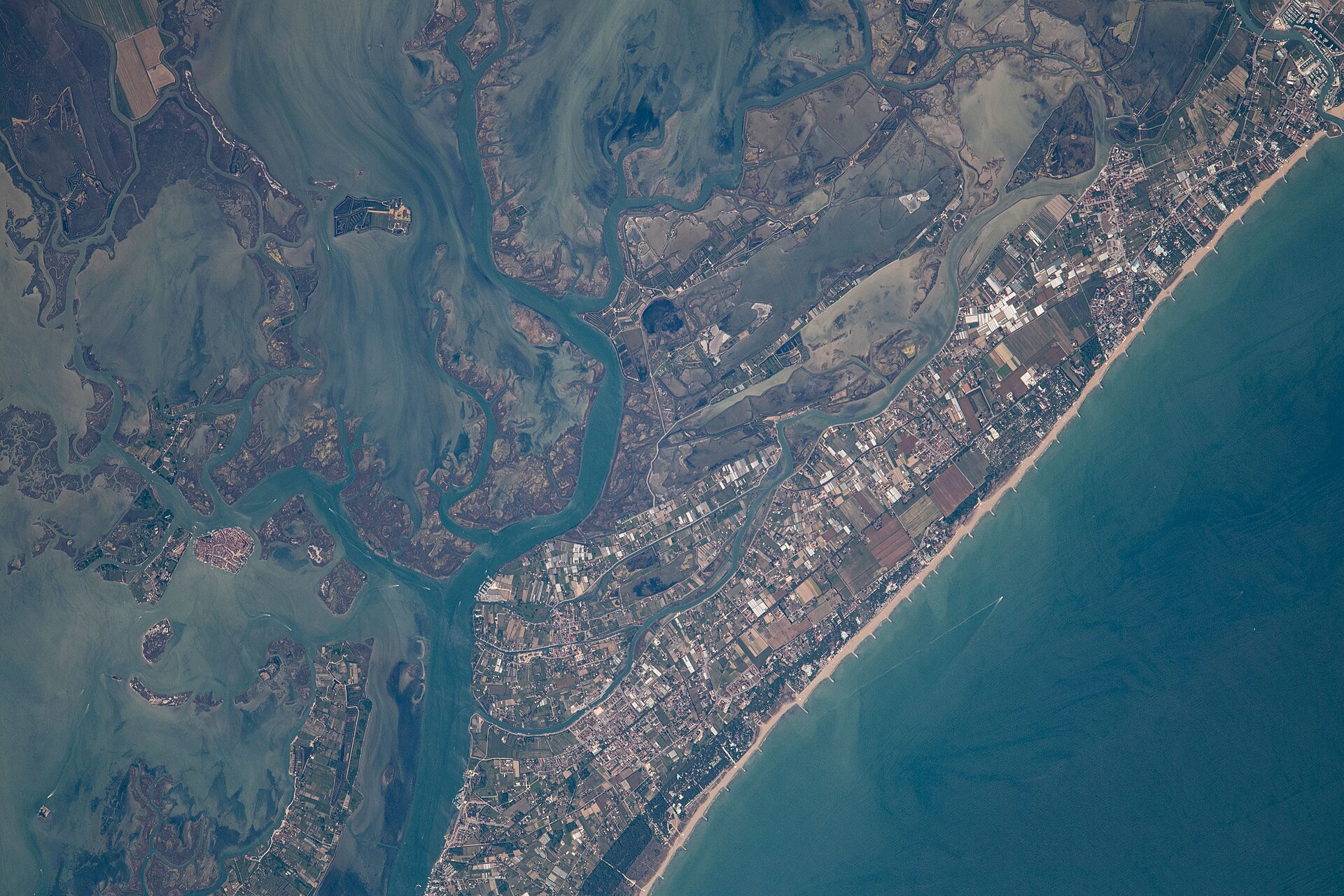
Isola di Crevan, situated in the northern part of the Venice Lagoon, has been placed on the market. The property is being marketed by Lionard, a specialist in luxury real estate, and the listing was picked up by several outlets including ANSA, La Stampa, The Guardian and others on 25–26 August 2026. According to Lionard’s advertisement and brochure (reference 9491), the island’s external area is approximately 5,700 square meters, while the built, fortified residence occupies around 215 square meters.
The brochure describes the standing structure as a reduit or small fort whose origins are attributed to the Napoleonic era of the early 19th century. The island’s position in the northern lagoon places it relatively close to the better-known islands of Burano and Torcello. Video and press material produced by ANSA supplemented the agencies’ written reports and provided visual confirmation of the property as presented by the seller.
- Isola di Crevan is located in the northern Venice Lagoon, near Burano and Torcello (source: Lionard).
- The island’s external area is about 5,700 m²; the fortified residence covers roughly 215 m² (source: Lionard brochure).
- The standing structure is described as a Napoleonic-era reduit/fort dating to the early 19th century (source: Lionard).
- The property is offered for sale through Lionard; reporting by ANSA, La Stampa and The Guardian covered the listing on 25–26 August 2026.
Historical and architectural background
Lionard’s description places the fort within the wave of fortification that affected the region during the turn of the 19th century, when Napoleonic influences reshaped political and military structures across northern Italy. Small fortified positions and reduits in the lagoon were historically intended to control waterways and shorelines in a fragmented maritime landscape.
Publicly available documentation that would provide a detailed heritage assessment—such as an official classification under Italy’s cultural heritage code (Codice dei Beni Culturali)—is not reproduced in the sales materials at the same level of detail. Whether the fort already benefits from formal protection as a listed monument or whether it would be subject to heritage restrictions in future renovation plans therefore remains a practical and legal question for any buyer.
Regulatory and conservation considerations
The island lies within the Venice Lagoon, inscribed as a UNESCO World Heritage Site in 1987. That international designation frames how the city and its lagoon are viewed and managed and can influence decision-making on interventions affecting the area’s cultural landscape. If the fort is formally listed under Italian heritage legislation, any substantial interventions would require approval from national and regional cultural authorities.
In addition, environmental and hydraulic regulations applicable to the lagoon could restrict certain types of works. Authorities at regional and local levels oversee protections related to flooding, the conservation of lagoon habitats and public navigability. These layers of regulation mean that physical changes to an island property typically involve multiple permits and assessments addressing both cultural and natural resource protection.
Market context and likely buyer profile
A sale of this kind sits firmly in the ultra-luxury segment. Lionard’s target audience is primarily wealthy private individuals and niche investors in high-end properties. International coverage in outlets such as The Guardian framed the offering as a rare, exclusive opportunity: an historic islet that could serve as a private retreat or, under certain circumstances and approvals, a bespoke hospitality project.
Potential purchasers must weigh acquisition costs against the substantial long-term expenses for conservation, restoration and operations. Fortified structures from the early 19th century often need extensive, specialist restoration work to meet modern safety and habitability standards while preserving historic features. Logistical costs are also significant: any building materials or specialist teams must be transported over water, and supply chains in the lagoon are inherently more complex and costly than on the mainland.
Public interest and media reaction
The international media coverage has drawn public attention to the listing and, in turn, to broader issues concerning the status of small historical islands in the lagoon. These include the tension between private ownership and public interest in cultural heritage, questions over the degree of public access to historically significant sites, and the environmental sustainability of private uses within a delicate lagoon ecosystem.
As of reporting, formal responses from relevant municipal or regional authorities were limited in the public record; media accounts have largely been based on the sales materials and agency-provided information. Whether local administrations or heritage bodies will take an active role in the transaction — for instance by imposing conditions or seeking to secure the site for public interest reasons — will depend on subsequent steps by potential buyers and the particulars of any redevelopment plans.
Outstanding questions and potential outcomes
Key unresolved issues include the fort’s precise legal status under heritage law, the nature and scope of any restoration that might be permitted, and the environmental assessments that would be required for any change of use. Each of these factors will materially shape the feasibility and cost of future projects on the island.
If the property is restored with sensitivity to its historical and environmental context, it could contribute to the conservation of a little-known vestige of the region’s past. Conversely, ambitious conversion or increased intensity of use could strain local ecosystems and provoke regulatory pushback. The listing itself has already provoked renewed public discussion about ownership, stewardship and the management of Venice’s dispersed cultural landscape; how those debates translate into regulatory action will be one of the next things to watch as the sale process proceeds.
IO SYNTHESIS
THREE-SOURCE ARTICLE ANALYSIS
Isola di Crevan is located in the northern Venice Lagoon, near Burano and Torcello (source: Lionard).
OPEN EVIDENCE ↗The island’s external area is about 5,700 m²; the fortified residence covers roughly 215 m² (source: Lionard brochure).
OPEN EVIDENCE ↗The standing structure is described as a Napoleonic-era reduit/fort dating to the early 19th century (source: Lionard).
OPEN EVIDENCE ↗✓ SOURCES AND DOCUMENTS
01 derstandard.at ↗02 theguardian.com ↗03 videoembed.ansa.it ↗Sources last checked · 27.08.2026, 01:03This article was written and checked by the ZEITUNG.IO newsroom. It is updated when new verified information becomes available.