Dorling Kindersley (DK) released a new cookbook entirely devoted to mushrooms titled Pilze, Pilze, Pilze — Vegetarische Pilzküche & Artenvielfalt für das ganze Jahr. The hardcover volume is 272 pages long, carries ISBN 978-3-8310-5306-3 and was published with an on-sale date of 27 July 2026. German-language media picked up on the book in late summer; the Austrian newspaper Die Presse ran a short item on 28 August 2026 that included an excerpted recipe titled “Eierschwammerl (originally: Pfifferlinge) alla Carbonara.”
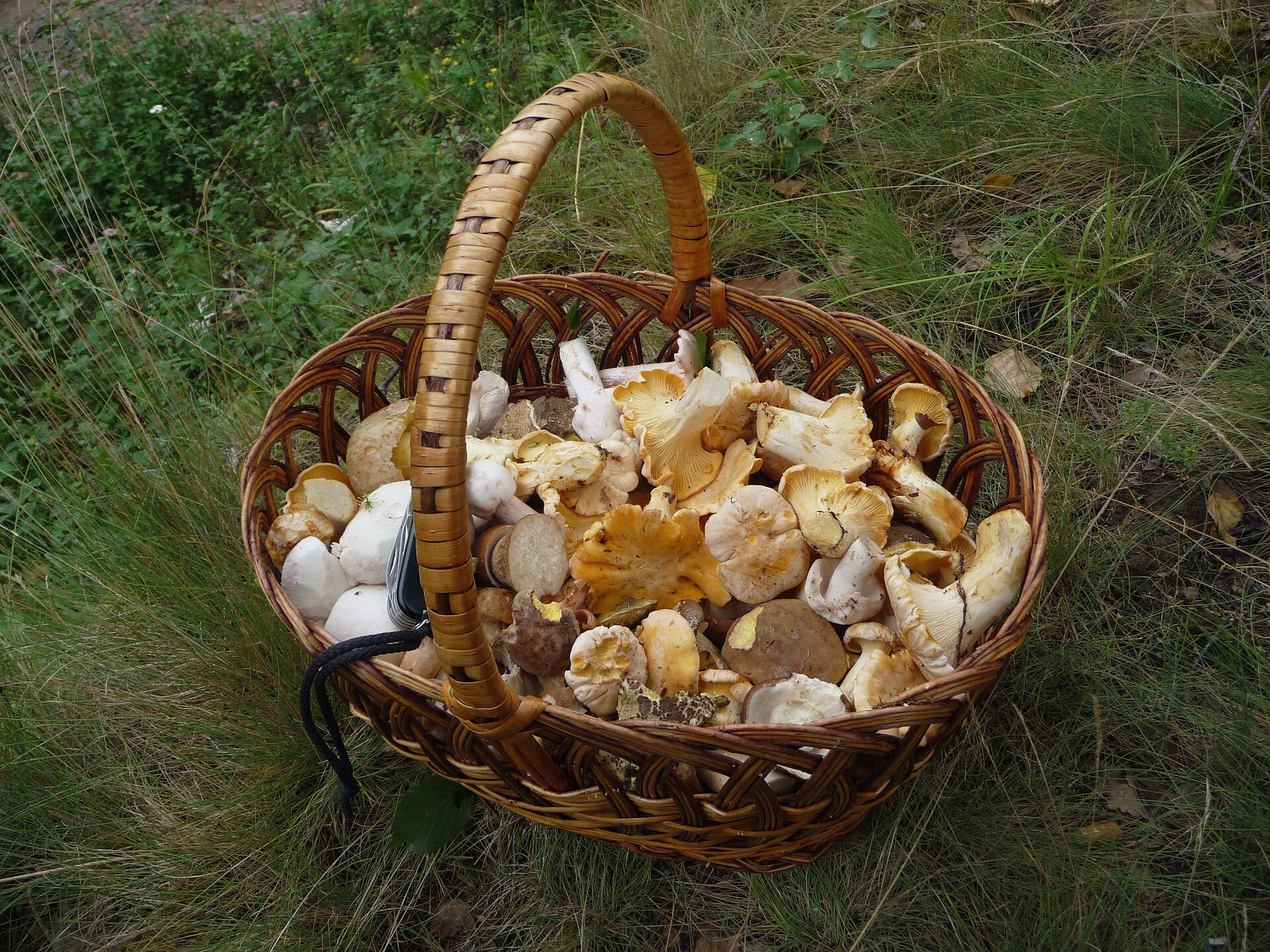
The book presents itself as a resource for cooks who want to use mushrooms throughout the year, combining recipes with seasonal guidance and notes on species diversity. Publisher and retail descriptions emphasise a practical approach with more than 80 recipes and a seasonal structure aimed at both everyday cooking and amateur enthusiasts.
- Pilze, Pilze, Pilze — Vegetarische Pilzküche & Artenvielfalt für das ganze Jahr was published by Dorling Kindersley (DK) with ISBN 978-3-8310-5306-3.
- The hardcover book comprises 272 pages and had an on-sale date of 27 July 2026.
- Die Presse published an article on 28 August 2026 that included an excerpted recipe from the book titled “Eierschwammerl (originally: Pfifferlinge) alla Carbonara.”
- Moritz Schmid is publicly documented as a mycology communicator who operates the Into the Woods project, leads workshops and has previous publications in the field.
- Retailers and specialist reviews describe the book as a seasonally organised collection of predominantly vegetarian mushroom recipes with species notes and practical guidance.
The author’s profile: from workshops to social media
Moritz Schmid is an established figure in German-speaking mycology outreach. Public broadcaster profiles and program listings describe him as a mycology expert, coach and a ‘mushroom influencer’ who operates the Into the Woods project. He gives workshops, appears on radio and television formats and has previous books to his name. This public-facing role positions Schmid at the intersection of hands-on fieldwork, culinary practice and digital communication.
For a publsher like DK, an author with a media-savvy profile offers the opportunity to reach a broader audience: Schmid’s work blends culinary recipes with guidance on identification, seasonal availability and practical conservation-minded advice. That blend differentiates the book from strictly scientific mycological literature.
What the book contains and how it is framed
Publisher metadata and retailer listings provide clear bibliographic information and a broad picture of content: 272 pages, hardcover, and a focus on vegetarian cooking with mushrooms presented across seasons. Specialist reviews and product descriptions characterise the work as a practical cookery and popular guide; it includes recipes, photography and short species portraits rather than exhaustive taxonomic treatment.
Retail copy and independent reviews highlight the book’s accessible recipes and a seasonal organisation intended to help readers choose species and preparations appropriate to different times of year. Reviewers in the mushroom niche tend to point out that while a cookbook can greatly support culinary use and interest in fungi, it should not substitute for rigorous species identification by trained experts when consumption risk exists.
The newspaper excerpt and copyright considerations
Die Presse ran a recipe excerpt as a promotional editorial piece on 28 August 2026. Publishing a single recipe as a preview is common practice in cultural and lifestyle journalism and helps readers assess the book’s approach. That said, there are legal and ethical considerations: recipe texts, depending on how detailed and original their wording is, may be protected by copyright. In the present verification, publisher and retailer pages confirmed the book’s existence and scope, but no full preview text was publicly available to independently verify that the recipe printed in Die Presse is a verbatim excerpt from the book.
Newsrooms planning to reproduce full recipe texts should therefore obtain a review copy or seek permission from the publisher. Editorial presentations that summarise recipes or paraphrase preparation methods are less likely to raise legal issues, but precise reproduction requires rights clearance.
Cultural implications: popularity, sustainability and public education
Cookbooks of this kind arrive at a time when mushroom foraging and mushroom cuisine have found renewed public interest. Social media channels, local cooking movements and increased outdoor engagement have contributed to this trend. A book that integrates recipes with notes on species diversity speaks directly to readers who want to combine culinary pleasure with responsible behaviour in the field.
However, the visibility of mushroom identification and foraging tips also raises concerns. Misidentifications can produce serious health risks, and unregulated foraging can put pressure on local fungal populations. Professional mycologists and conservationists regularly emphasise that popular guides are useful but not infallible; they recommend attending certified workshops or consulting local experts for definitive identifications. Schmid’s role as a workshop leader and public communicator suggests an awareness of these responsibilities, but the broader ecosystem of advice includes many actors and varying quality.
Verified facts and open questions for further reporting
What is established: the book’s bibliographic data (title, publisher, ISBN, page count and publication date) and the fact that Die Presse published an article containing a recipe excerpt on 28 August 2026. Retailers and specialist reviewers corroborate the book’s availability and main thrust — seasonal, predominantly vegetarian recipes that engage with species variety and practical cooking.
Remaining items for verification include whether the recipe text that appeared in Die Presse is a verbatim reproduction from the published book and minor metadata points such as specific retail pricing: there are small discrepancies between the price cited in Die Presse and the price listed by some retailers. For journalists and editors wishing to reproduce the recipe in full or quote verbatim, the advisable next steps are to request a review copy from DK or to secure explicit permission for any extended excerpt. More broadly, reporting can also follow up on how the book is received by professional mycologists and conservation bodies, and whether it motivates changes in public behaviour around foraging and species protection.
IO SYNTHESIS
THREE-SOURCE ARTICLE ANALYSIS
Pilze, Pilze, Pilze — Vegetarische Pilzküche & Artenvielfalt für das ganze Jahr was published by Dorling Kindersley (DK) with ISBN 978-3-8310-5306-3.
OPEN EVIDENCE ↗The hardcover book comprises 272 pages and had an on-sale date of 27 July 2026.
OPEN EVIDENCE ↗Die Presse published an article on 28 August 2026 that included an excerpted recipe from the book titled “Eierschwammerl (originally: Pfifferlinge) alla Carbonara.”
OPEN EVIDENCE ↗✓ SOURCES AND DOCUMENTS
01 diepresse.com ↗02 dorlingkindersley.de ↗03 dorlingkindersley.de ↗Sources last checked · 28.08.2026, 05:34This article was written and checked by the ZEITUNG.IO newsroom. It is updated when new verified information becomes available.