Austria is responding to exceptional drought with a package of four instruments rather than a single compensation payment. It includes a higher subsidy for drought-insurance premiums, temporary relief from social-security contributions, interest support for working-capital loans and deferrals on agricultural investment loans. The €240 million package therefore targets immediate liquidity as well as the financing of ongoing farm operations.
That design reflects the uneven nature of drought losses across regions, crops, insurance coverage and balance sheets. It also creates an implementation challenge. The more relief is channelled through existing insurance and finance systems, the more its effect depends on whether farms are already connected to those systems and how quickly the administrative relief reaches them.
- The government agreed a €240 million drought relief package.
- The ministry says the past twelve months were the driest since records began in 1850.
- Austria’s hail insurer put agricultural drought damage at about €1 billion by 10 August.
- The package combines insurance support, social-contribution relief and credit measures.
A damage year on a historic scale
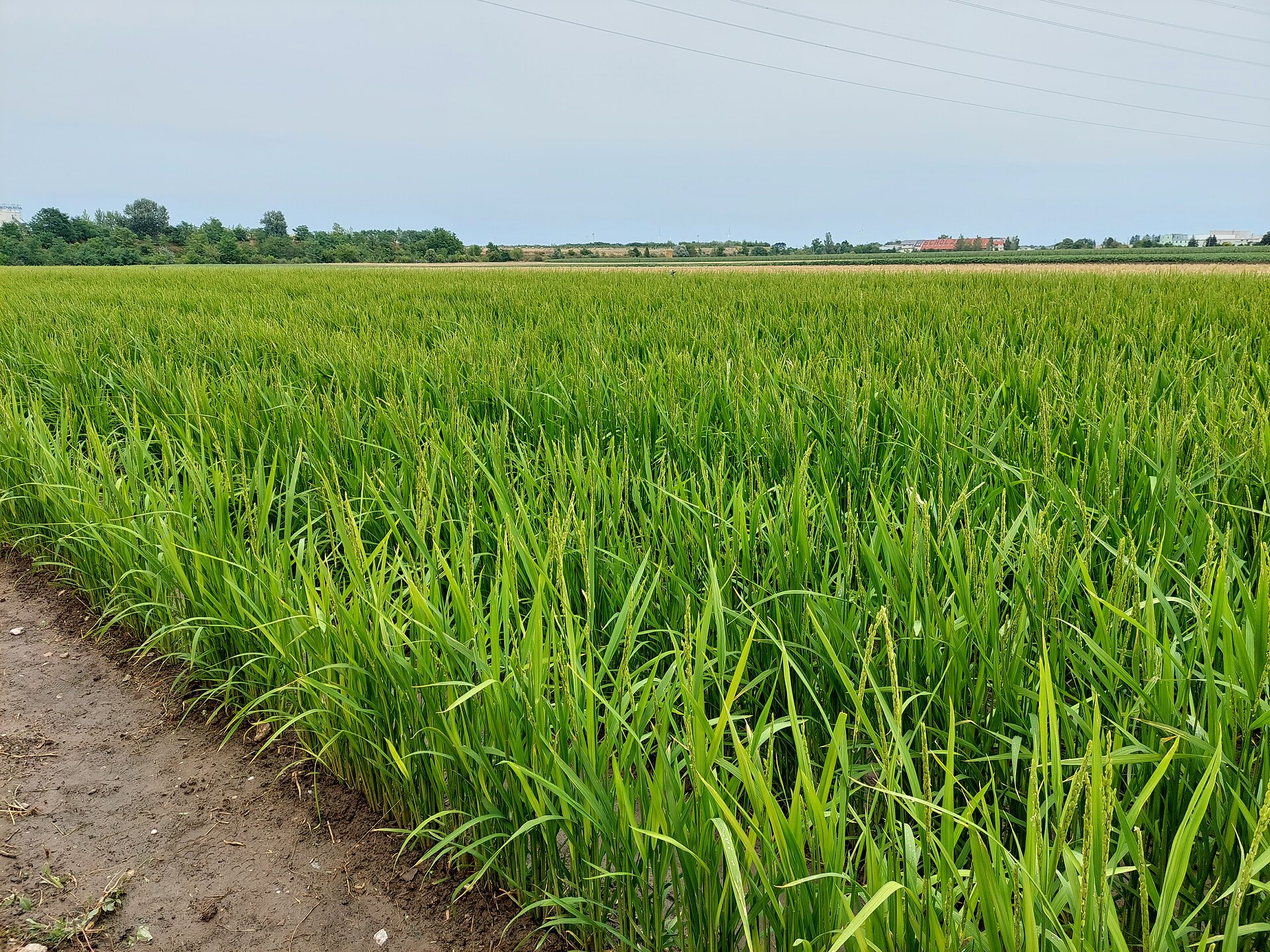
The agriculture ministry describes the past twelve months as the driest period since records began in 1850. Austria’s hail insurer estimated drought losses in agriculture at around €1 billion on 10 August, with grassland, maize, potatoes, sugar beet, pumpkins and soybeans among the affected crops. This is not a small regional yield variation but a broad sectoral shock.
ORF reported after the agreement that farms are also set to receive two months of social-security contribution relief. That matters because a harvest shock cuts revenue while many fixed costs continue. The package is therefore designed not only to recognise damage but to bridge the period until farms reach a more stable production cycle.
Insurance is becoming climate infrastructure
The central role of drought insurance is striking. In an agricultural system facing more frequent extremes, insurance shifts from a peripheral product toward core business infrastructure. The insurer reports high coverage of arable land but a much lower share of grassland. Adaptation is therefore not only about irrigation or crop choice; it is also about risk transfer and maintaining enough liquidity to survive bad years.
Relief and climate law belong in the same frame
The coalition also reached agreement on a climate law and reaffirmed the goal of climate neutrality by 2040. Linking the two decisions is more than political packaging. Every emergency package raises the same structural question: how much public crisis financing is sustainable if extreme weather becomes more frequent? Without adaptation, costs rise simultaneously for farms, insurers and the state.
The next harvest is the next audit
It is too early to say responsibly whether €240 million will be enough. The useful tests are how quickly the measures reach farms, how yields and fodder supplies develop, and which regions repeatedly experience the same deficits. The key shift in perspective is this: Austria is not merely financing one bad season. It is beginning to finance an agricultural system for a more volatile climate reality.
IO SYNTHESIS
THREE-SOURCE ARTICLE ANALYSIS
The government agreed a €240 million drought relief package.
OPEN EVIDENCE ↗The ministry says the past twelve months were the driest since records began in 1850.
OPEN EVIDENCE ↗Austria’s hail insurer put agricultural drought damage at about €1 billion by 10 August.
OPEN EVIDENCE ↗✓ SOURCES AND DOCUMENTS
01 BMLUK — Dürre-Hilfspaket und Klimagesetz ↗02 ORF — 240 Millionen Euro Dürrehilfe ↗03 Österreichische Hagelversicherung — Rekord-Dürreschäden ↗Sources last checked · 24.08.2026, 11:35This article was written and checked by the ZEITUNG.IO newsroom. It is updated when new verified information becomes available.