Employers' association and the Verdi union concluded a collective‑bargaining agreement on the evening of 26 August 2026 in Düsseldorf, after a fifth round of negotiations. According to a press release from the Handelsverband Nordrhein‑Westfalen, the deal provides two staged increases: a 3.0 percent wage rise from 1 August 2026 and a further 2.0 percent increase from 1 May 2027. The contract term is specified as 25 months.
Verdi’s figures, as reported by several media outlets including ARD/Tagesschau, add concrete minimums for the lower pay groups: 14.20 euros per hour from August 2026 and 14.90 euros per hour from May 2027. The employer’s statement emphasized the percentage increases and the fixed contract term; media coverage has relied on both sides’ summaries to report the precise figures.
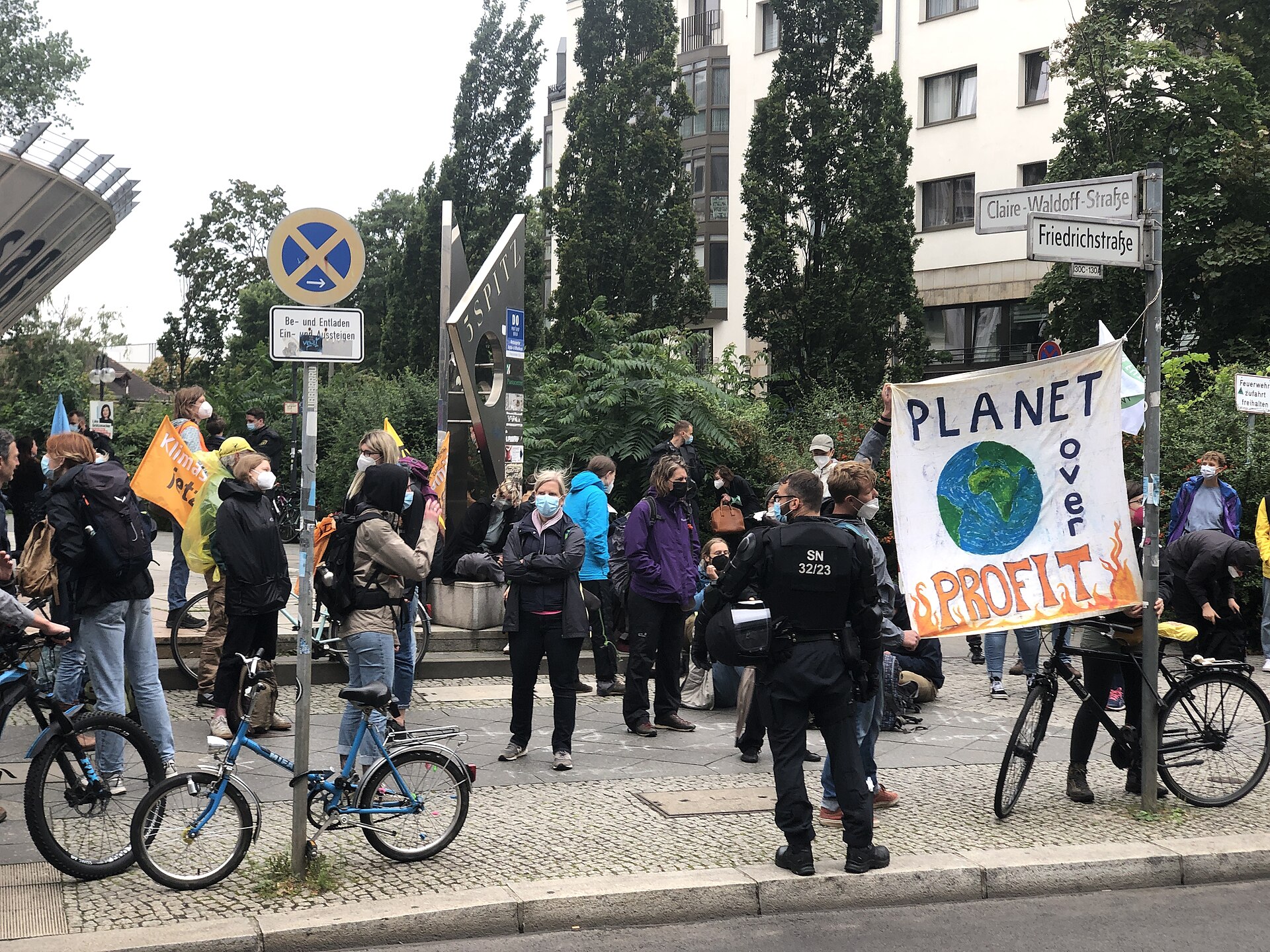
The settlement follows weeks of intensified collective action and negotiations in North Rhine‑Westphalia. The two parties framed the result as a negotiated compromise: employers highlighted predictability and cost control, while Verdi underlined tangible increases for low‑paid workers. Coverage in regional and national outlets has described the agreement as a potential ‘breakthrough’ with wider implications, a characterization that reflects editorial interpretation rather than contractual content.
- Tarifabschluss zwischen Handelsverband NRW und Verdi in fünfter Verhandlungsrunde (Düsseldorf, 26.08.2026).
- Zweistufige Entgelterhöhung: +3,0% ab 1. August 2026 und +2,0% ab 1. Mai 2027; Laufzeit 25 Monate (Handelsverband NRW).
- Verdi nennt für untere Entgeltgruppen tarifliche Mindestuntergrenzen von 14,20 € (ab August 2026) und 14,90 € (ab Mai 2027).
- Verdi spricht von rund 700.000 Beschäftigten im NRW‑Einzelhandel, profitieren unmittelbar nur Beschäftigte in tarifgebundenen Betrieben (Tagesschau-Bericht).
- Einige Medien und Kommentatoren werten das Ergebnis als möglichen ‚Durchbruch‘ mit Signalwirkung für andere Tarifgebiete (WDR, Handelsblatt).
Scope of application and beneficiaries
Verdi has cited a figure of roughly 700,000 retail employees in North Rhine‑Westphalia who fall under collective‑bargaining regimes. Crucially, however, only employees in tariff‑bound firms will automatically benefit from the agreed increases and minimums. In practice, tariff coverage varies across the sector: large chains and many unionised employers typically apply the collective agreement, while smaller independent shops or subcontracted services in the retail ecosystem may not be covered.
The raised minimums for lower wage groups are particularly relevant for part‑time and marginal (mini‑job) workers, who make up a substantial share of retail employment. Where the tariff applies, hourly pay at or below the new thresholds will be lifted accordingly. For employees outside tariff coverage, changes will depend on individual employers, local works councils or legislative measures, not on the NRW agreement itself.
Responses from negotiators and public reaction
The Handelsverband NRW presented the agreement as balanced, stressing that the 25‑month duration offers businesses planning certainty and allows for cost absorption. Verdi representatives emphasised the real wage gains and the institutionalisation of minimums for the lowest pay brackets as reasons to accept the deal. Both sides framed the outcome as a relative success in tense negotiations.
Public commentary is mixed: union advocates and some local politicians praised the increase as necessary amid higher living costs, whereas employer representatives and some economic commentators warned of additional burdens for small retailers. Regional outlets and analysts have also noted the potential for the NRW deal to influence other states’ bargaining rounds — an effect already discussed in reports by the WDR and national business press — though whether this materialises will depend on subsequent negotiations elsewhere.
Economic implications for companies and consumers
For employers, wage rises translate into higher personnel costs. The extent to which firms can shoulder these costs without changing prices, staffing levels or opening hours will vary by market segment and firm size. Large retail chains with greater margins and scale may have more leeway to absorb or pass on costs than small, margin‑squeezed independent retailers.
The staged implementation and relatively long term of the agreement may help firms plan adjustments. Nevertheless, differential tariff coverage can create an uneven playing field: tariff‑bound employers face higher wage bills than non‑covered competitors, potentially affecting competition in local retail markets. From a macro perspective, moderate wage growth can support domestic demand; its net effect on inflation will depend on the breadth and pace of similar settlements across other sectors and regions.
Outstanding issues and next steps
Despite the publication of key figures, several details remain to be clarified. At the time of the available reporting, a full Verdi press release or the definitive signed collective‑agreement text was not readily accessible online; media reports instead cite union statements and the employer’s press release. Important unresolved points include the precise scope of application, transitional arrangements, possible retroactive payments, and specific provisions on shift differentials, overtime and apprenticeships.
For workers and works councils, the crucial next step is the practical implementation at company level and the prompt application of new minimums where the collective agreement applies. Observers will watch whether the NRW settlement acts as a model triggering similar deals in other German states or whether employer federations elsewhere resist comparable concessions. The full text of the agreement should be published so that unions, employers and analysts can verify the operational details and consequences for individual workplaces.
IO SYNTHESIS
THREE-SOURCE ARTICLE ANALYSIS
Tarifabschluss zwischen Handelsverband NRW und Verdi in fünfter Verhandlungsrunde (Düsseldorf, 26.08.2026).
OPEN EVIDENCE ↗Zweistufige Entgelterhöhung: +3,0% ab 1. August 2026 und +2,0% ab 1. Mai 2027; Laufzeit 25 Monate (Handelsverband NRW).
OPEN EVIDENCE ↗Verdi nennt für untere Entgeltgruppen tarifliche Mindestuntergrenzen von 14,20 € (ab August 2026) und 14,90 € (ab Mai 2027).
OPEN EVIDENCE ↗✓ SOURCES AND DOCUMENTS
01 Tagesschau · Wirtschaft ↗02 handelsverband-nrw.de ↗03 www1.wdr.de ↗Sources last checked · 27.08.2026, 10:53This article was written and checked by the ZEITUNG.IO newsroom. It is updated when new verified information becomes available.