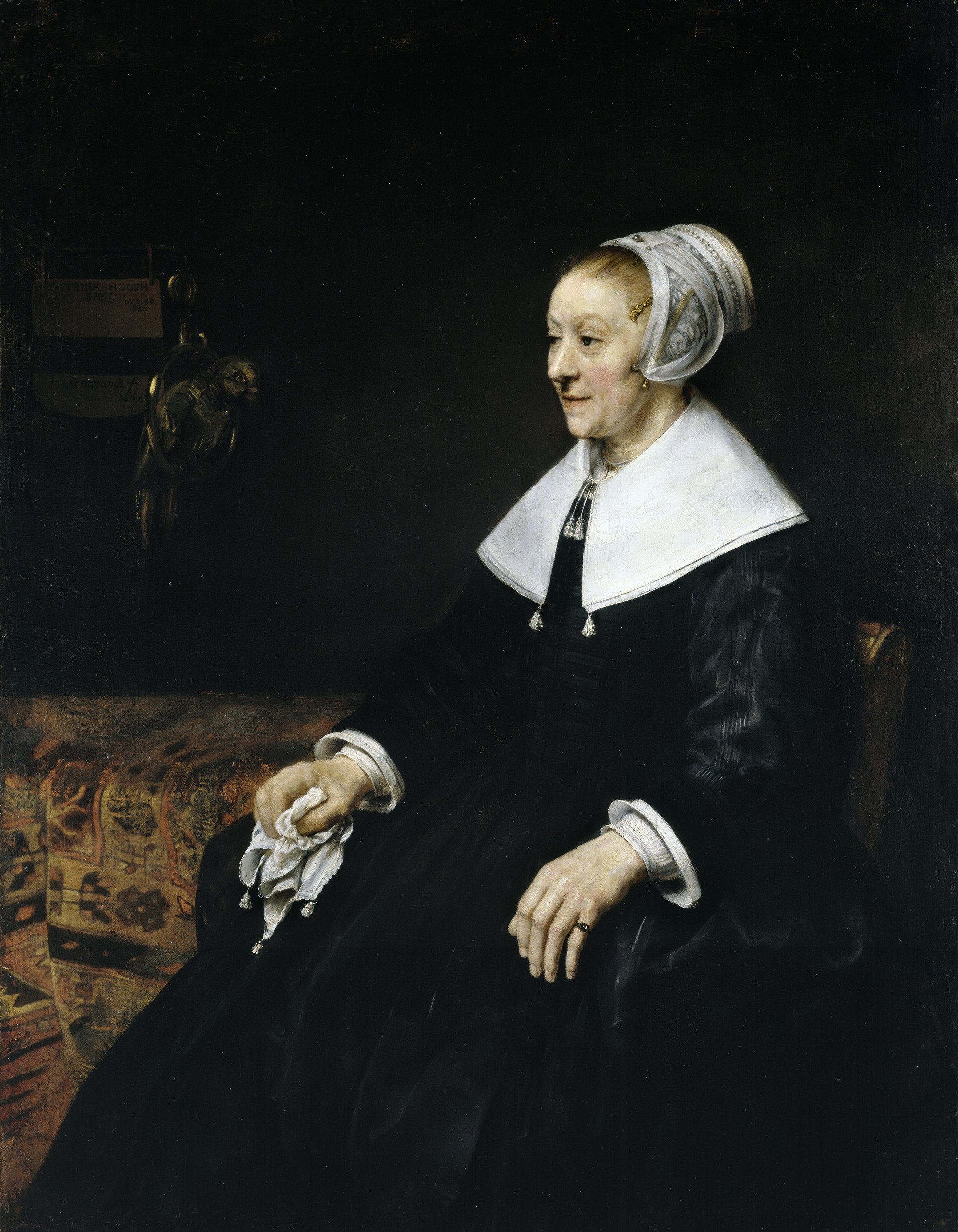
On 27 August 2026 the Department for Digital, Culture, Media and Sport (DCMS) announced a temporary export bar on Rembrandt Harmensz van Rijn’s Portrait of Catrina Hooghsaet (1657). The ministry published the decision in an official press release, stating that the measure is intended to allow UK institutions time to raise the funds necessary to purchase the work. The painting is listed with a recommended price of £71,696,324.90 plus VAT and is described in the announcement as an oil on canvas measuring 126 x 98.5 cm, dating from 1657.
The DCMS invoked the UK export control mechanism that can defer the issuing of an export licence when a cultural object may be of national importance. The export bar does not amount to a permanent prohibition but imposes a temporary restriction on export while public bodies and potential buyers consider options for retention within the UK.
- Object: Rembrandt Harmensz van Rijn, Portrait of Catrina Hooghsaet (1657), oil on canvas, 126 x 98.5 cm.
- On 27 August 2026 the UK Department for Digital, Culture, Media and Sport placed a temporary export bar on the painting.
- The DCMS listed a recommended sale price of £71,696,324.90 plus VAT.
Legal framework and purpose of an export bar
The UK’s export control system for cultural property allows the government to delay the export of items judged by advisory committees to meet the ‘Waverley criteria’—tests concerning national importance. The mechanism is intended to give UK museums, trusts and private donors a realistic timeframe to mobilise funds to acquire the object for the nation. In practical terms, an export bar freezes the export licence process, creating a window in which fundraising and negotiation can take place.
The official announcement gives the recommended price and basic object details but refrains from disclosing the full provenance or the identity of any prospective overseas buyer. The invocation of an export bar signals that ministers consider the object potentially significant to the UK’s cultural life and worthy of an effort to retain. Historically such bars have sometimes been followed by successful purchases by national institutions, although outcomes vary widely.
The painting’s status and significance
Portrait of Catrina Hooghsaet, painted in 1657, belongs to Rembrandt’s mature oeuvre and is presented in the government’s material as an important example of his portraiture from that period. The listing of the painting at the high seven‑figure sum underscores its perceived artistic and market value. Beyond its monetary valuation, the matter raised in the DCMS release is the painting’s cultural significance: if exported, it would represent the loss of a major Old Master to collections outside the UK.
Coverage in specialist outlets such as The Art Newspaper has underlined the painting’s perceived importance but also noted that detailed scholarly provenance and exhibition history were not fully disclosed in the public notice. That lack of detail means curators and academics will likely seek more information as any campaign to retain the picture proceeds.
Financial and market implications
The recommended price of £71,696,324.90 plus VAT presents a substantial fundraising challenge. Even with support from national funding bodies, major museums, private philanthropists and charitable foundations, assembling such a sum on short notice is difficult. The export bar’s purpose is to create the time and impetus for such efforts, yet the scale of the price is a real constraint: museums must weigh acquisition costs against other commitments, and donors may face limits on their capacity to contribute at that level.
For the international art market, the government’s intervention introduces an element of uncertainty. Sellers and overseas buyers risk seeing an export impeded by national authorities, which can affect negotiations and the terms of sale. While some parties may be deterred from transacting in the UK market for high‑value historic works, others may factor government intervention into their strategies—either by accelerating purchases or by arranging loans and other compromises.
What is known, what is not, and what comes next
Several key questions remain unanswered publicly. The DCMS notice does not specify the painting’s current ownership or the identity of any potential foreign purchaser. It also does not state explicitly the length of the export bar or the ministry’s assessment of the likelihood that a UK buyer can be found. In previous cases, the duration of deferrals and the ultimate outcomes have varied: some works were acquired by national institutions after targeted fundraising, others were eventually allowed to leave the country.
Next steps will include potential approaches by UK museums and fundraising appeals by cultural organisations. If a credible plan and sufficient funds are presented within the timeframe of the export bar, ministers may support retention; if not, an export licence could ultimately be issued. The episode also renews wider debates about public funding for acquisitions, the balance between private ownership and public interest in cultural property, and how nations seek to preserve access to works deemed of special significance.
IO SYNTHESIS
THREE-SOURCE ARTICLE ANALYSIS
Object: Rembrandt Harmensz van Rijn, Portrait of Catrina Hooghsaet (1657), oil on canvas, 126 x 98.5 cm.
OPEN EVIDENCE ↗On 27 August 2026 the UK Department for Digital, Culture, Media and Sport placed a temporary export bar on the painting.
OPEN EVIDENCE ↗The DCMS listed a recommended sale price of £71,696,324.90 plus VAT.
OPEN EVIDENCE ↗✓ SOURCES AND DOCUMENTS
01 ORF · News ↗02 govdiff.njk.onl ↗03 timeout.com ↗Sources last checked · 28.08.2026, 19:33This article was written and checked by the ZEITUNG.IO newsroom. It is updated when new verified information becomes available.