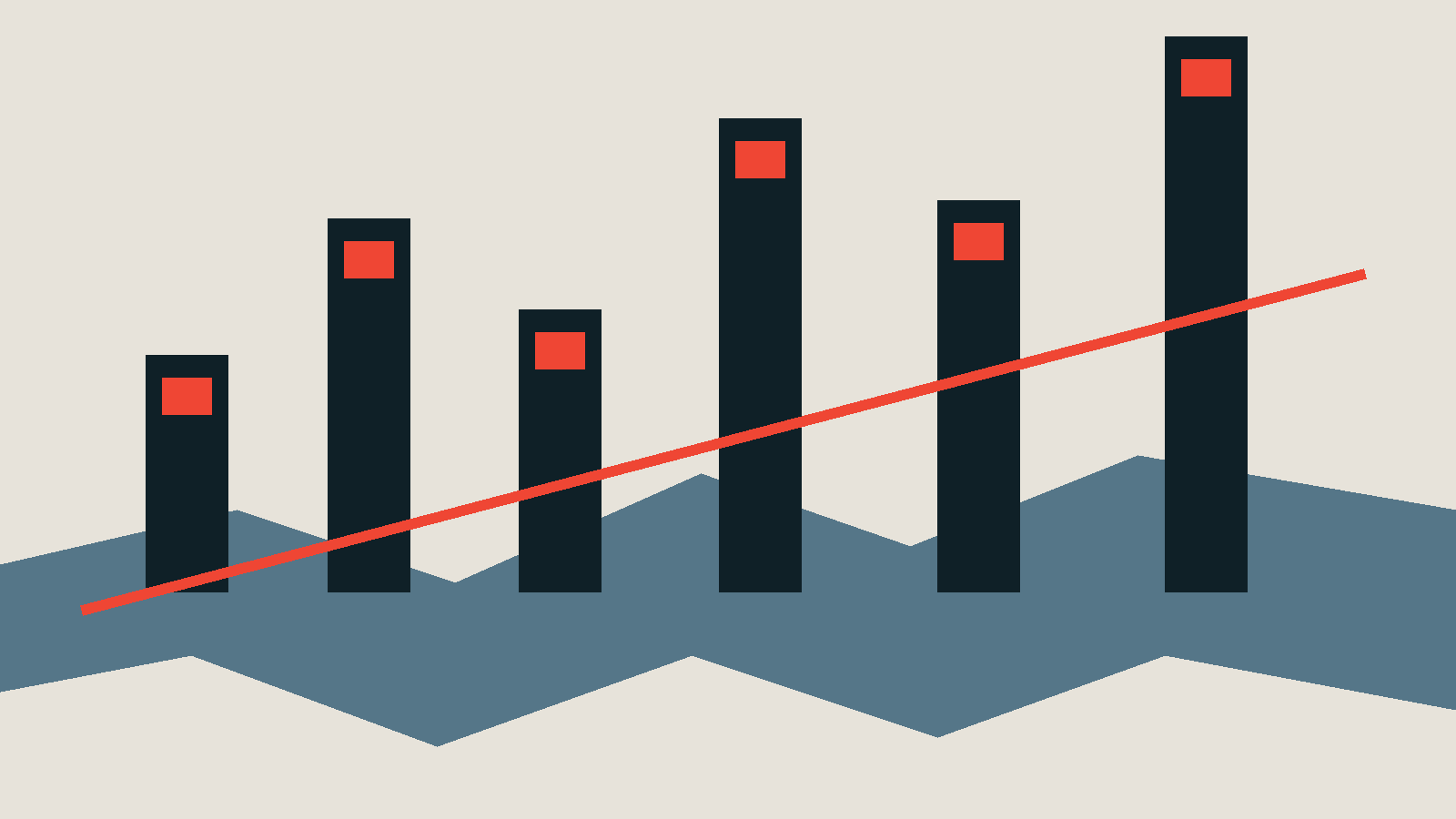
On 8 October 2026 the ifo Institute published a press release reporting a marginal uptick in the Jimdo‑ifo business climate index for solo self‑employed and micro‑enterprises — from −19.7 in August to −18.8 in September. The move points to a small improvement in sentiment but leaves the balance deeply negative overall.
At the same time, the institute flagged a pronounced deterioration in credit access for these firms. In the third quarter of 2026, 54.4 percent of self‑employed and micro‑firms that entered into loan negotiations reported more restrictive conditions, up from 44.8 percent in the previous quarter. The divergence between a slightly brighter mood and worsening credit availability constitutes the core tension in the data.
- ifo press release published on 8 October 2026.
- Jimdo‑ifo business climate index for the self‑employed rose from −19.7 (Aug) to −18.8 (Sep) 2026.
- 54.4% of self‑employed/micro‑firms negotiating loans reported more restrictive conditions in Q3 (up from 44.8%).
- Share of self‑employed negotiating loans fell to 7.8% (from 9.3%); share reporting tougher negotiations in the overall economy fell to 32.8%.
Concrete figures and what they imply
The Jimdo‑ifo index used here is a targeted survey instrument, compiled by the ifo Institute in cooperation with Jimdo since August 2021, and focuses on solo self‑employed persons and firms with fewer than nine employees. An index reading of −18.8 indicates that pessimism continues to predominate among respondents, even if the monthly trend is upward.
The credit‑market indicators are more striking. While the share of firms across the whole economy reporting tougher loan negotiations fell from 40.1 percent to 32.8 percent, the share among the solo self‑employed rose markedly to 54.4 percent. At the same time, the fraction of self‑employed actually negotiating loans dropped to 7.8 percent from 9.3 percent. That combination — falling demand for loans and tougher outcomes when negotiations occur — suggests both constrained financing appetite and constrained supply.
Possible drivers behind the credit squeeze
The ifo release itself does not provide an exhaustive causal analysis, but several plausible factors can be outlined without overstepping the published evidence. Banks routinely tighten lending standards when refinancing costs rise, when regulatory scrutiny increases, or when perceived borrower risk grows. These dynamics disproportionately affect borrowers with limited balance‑sheet history or collateral, categories in which many solo self‑employed persons fall.
Beyond bank behaviour, behavioural responses among entrepreneurs matter. If many self‑employed anticipate rejection or costly terms, they may delay or forgo loan applications — which helps explain the drop in the share negotiating credit. This anticipatory withdrawal can amplify a liquidity squeeze for enterprises that rely on loans to smooth income volatility or to finance small investments.
Economic consequences and sectoral sensitivity
A sustained tightening of credit conditions for micro‑enterprises could reverberate through sectors where such firms are numerous, including crafts, personal services, and local retail. Micro‑firms often lack access to capital markets and depend on bank lending for working capital and small capital expenditures. Reduced loan access therefore risks curtailing investment, delaying business expansions, or raising the likelihood of insolvencies in marginal cases.
Aggregated effects on employment and growth are harder to quantify from the headline figures alone. Yet because small units are widely dispersed across the economy and tend to be labour‑intensive, the impact of constrained financing can be disproportionate in local markets, such as regional crafts networks or neighbourhood retail clusters.
What the data do—and do not—tell us
The headline metrics reported by ifo and reproduced by sector press and associations (for example the VGSD and trade press) are verifiable and consistent across sources. The core facts — the index increase, the 54.4 percent share reporting tougher credit terms in Q3, and the 7.8 percent share negotiating loans — are documented in the ifo release.
However, important methodological details are not included in the press text: the release does not publish full microdata, exact quarterly sample sizes, the weighting scheme, or the precise wording of the survey questions about credit negotiations. The ifo Institute states that detailed data are available on request. Without those tables and the questionnaire, it is difficult to assess whether the deterioration in credit access is concentrated in particular regions, industries or firm age cohorts.
Implications for reporting and policy
Reporters seeking to deepen coverage should request the ifo underlying tables and question wording to verify sample sizes and to explore sectoral or regional concentration. Complementing the survey data with interviews of banks, local chambers of commerce and entrepreneurs would add necessary qualitative context on why negotiations fail or what specific conditions are being imposed.
From a policy perspective the findings raise questions about targeted support for micro‑enterprises. Instruments such as guarantee schemes, subsidised working‑capital facilities or advisory services for loan applicants may mitigate short‑term constraints. Any policy response should balance targeted relief for vulnerable micro‑firms with the need to preserve prudent lending standards to avoid unintended build‑up of credit risk in bank balance sheets.
IO SYNTHESIS
THREE-SOURCE ARTICLE ANALYSIS
ifo press release published on 8 October 2026.
OPEN EVIDENCE ↗Jimdo‑ifo business climate index for the self‑employed rose from −19.7 (Aug) to −18.8 (Sep) 2026.
OPEN EVIDENCE ↗54.4% of self‑employed/micro‑firms negotiating loans reported more restrictive conditions in Q3 (up from 44.8%).
OPEN EVIDENCE ↗✓ SOURCES AND DOCUMENTS
01 ifo Institut · Presse ↗02 ifo.de ↗03 ifo.de ↗Sources last checked · 08.10.2026, 21:02This article was written and checked by the ZEITUNG.IO newsroom. It is updated when new verified information becomes available.