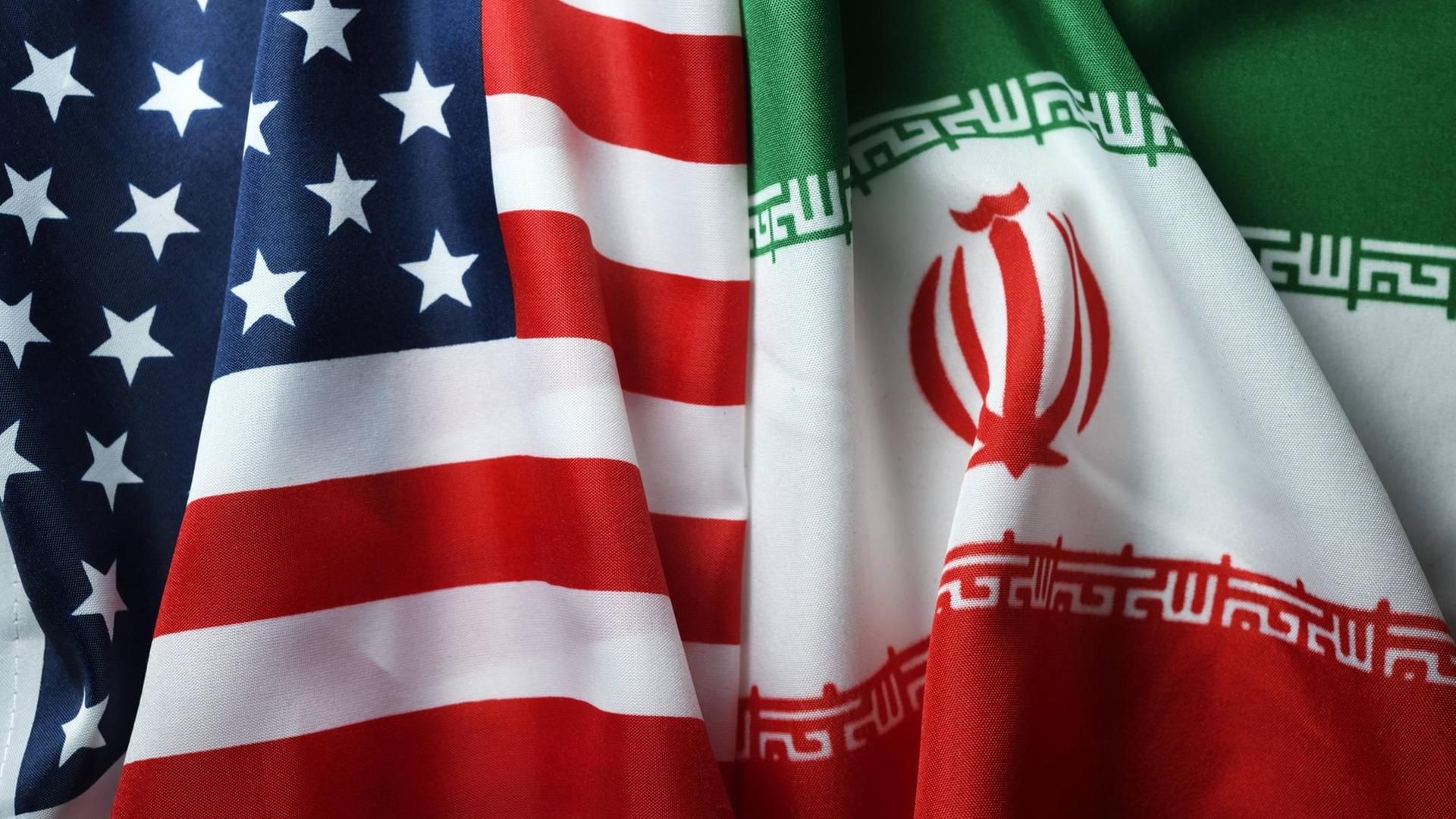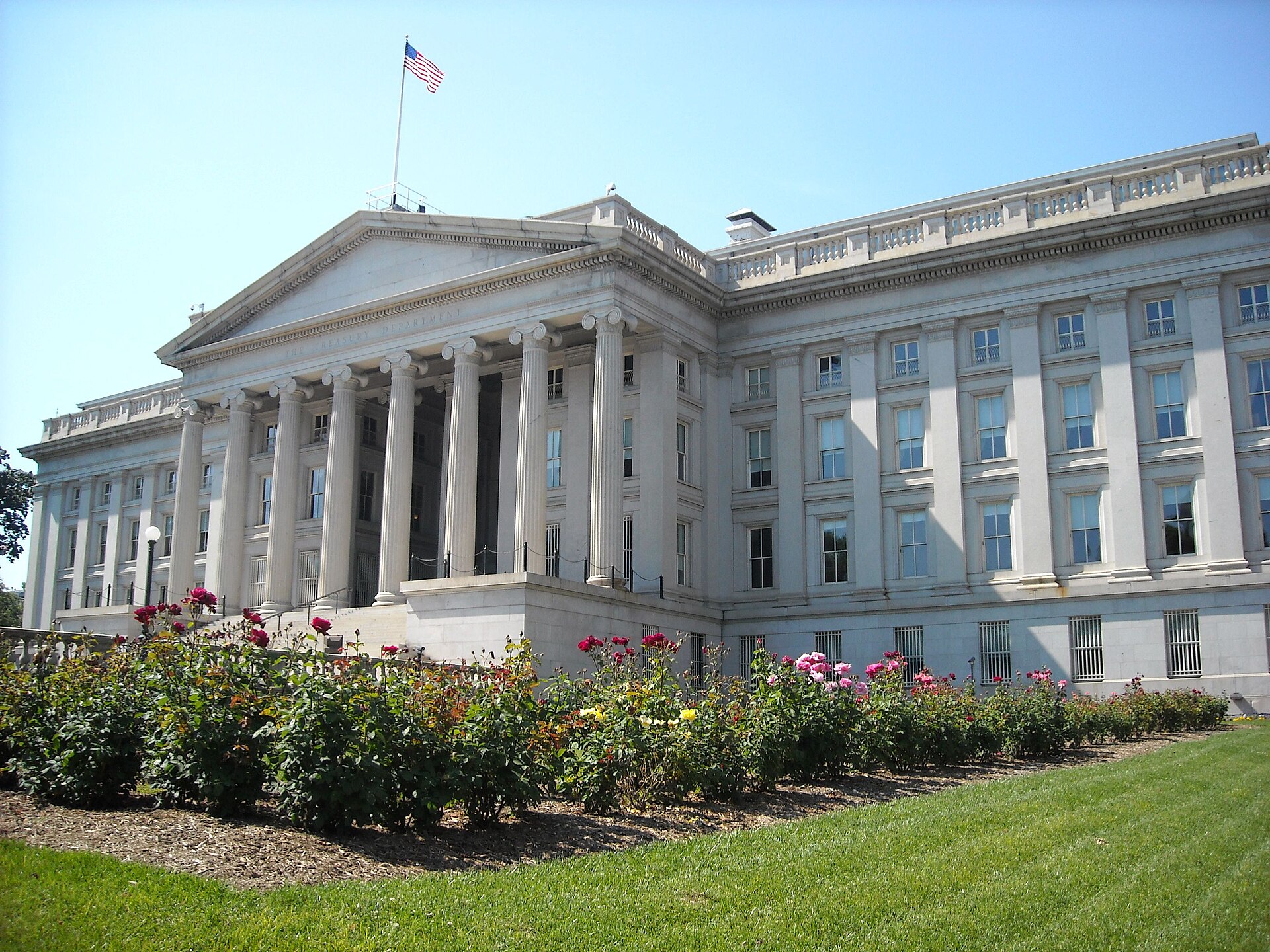
On 24 August 2026 the U.S. Department of the Treasury unveiled a wide‑ranging sanctions initiative called "Operation Economic Outcast." Treasury documents and fact sheets describe designations affecting nearly 60 Iran‑linked entities, individuals and vessels. U.S. officials framed the action as intended to disrupt financial, shipping and commercial networks supporting Iran’s regional activities. Two days later, German broadcaster ARD’s Tagesschau published a video report (26 August 2026) asserting that Iran’s civilian population is suffering under U.S. sanctions; the piece highlights concerns voiced by aid organizations and people affected inside Iran.
- The U.S. Treasury announced "Operation Economic Outcast" on 24 August 2026 (U.S. Department of the Treasury).
- Treasury fact sheets state that the 24 August designations targeted nearly 60 Iran‑linked entities, individuals and vessels.
- Tagesschau published a video on 26 August 2026 reporting that Iran's civilian population is suffering under U.S. sanctions.
- UN agencies, the WHO and peer‑reviewed studies document that sanctions, banking restrictions and over‑compliance have previously disrupted medical supply chains and contributed to shortages in Iran.
What the U.S. measures target and stated objectives
According to the Treasury’s public materials, the August 24 actions focused on a mix of financial actors, trading firms and maritime links alleged to enable Iranian state or proxy operations. Official statements refer to the goal of limiting access to revenue streams and logistical channels used for activities Washington deems malign. Scott Bessent, the U.S. Secretary of the Treasury, spoke at the announcement, and fact sheets accompanying the designations list almost 60 targets. U.S. releases also assert that humanitarian exemptions exist and that the intent is not to block medical assistance; nevertheless, long‑standing concerns center on how those exemptions operate in practice and whether private sector risk aversion—so‑called over‑compliance—prevents legitimate shipments.
What independent health and humanitarian research documents
A substantial body of independent reporting and scholarship has documented that sanctions, combined with banking restrictions and firms’ reluctance to engage with Iranian counterparties, have in past years disrupted supply chains for medicines and medical equipment. United Nations agencies and the World Health Organization have recorded shortages and logistical bottlenecks affecting essential drugs and treatment supplies. A peer‑reviewed study published in August 2026 in the International Journal for Equity in Health synthesizes empirical evidence showing that financial constraints and trade restrictions have contributed to reduced availability of certain life‑saving therapies. Humanitarian analysts such as ACAPS and WHO situational updates also note that the escalation of hostilities since February 2026 has added acute pressure on health systems already coping with chronic deficits. These documents collectively make a strong case that sanctions and related financial restrictions can—and historically have—had negative humanitarian consequences.
What is not yet established about the August 24 action
It is important to distinguish between established historical effects of sanctions and the question whether the specific August 24, 2026 designations have already produced new, measurable harms to civilians. As of now, there is no public, independent assessment that time‑stamps shortages, price spikes, or failures of medical services directly to the "Operation Economic Outcast" designations. Demonstrating such a causal link would require contemporaneous customs data, banking transaction records, and field reporting that isolates the incremental effect of the new sanctions from the preexisting economic crisis, domestic policy decisions, wartime destruction and other variables. Researchers and humanitarian agencies therefore call for systematic monitoring to avoid conflating chronic shortages with fresh, sanction‑driven disruptions.
Practical consequences and the challenge of over‑compliance
One practical pathway through which sanctions can harm civilians is over‑compliance by banks, insurers and logistics firms. Even where humanitarian exemptions exist on paper, private actors may decline transactions that are legally permitted out of fear of regulatory penalties or reputational risk. This behavior can delay or block imports of medical devices, spare parts and medicines. Aid organizations have repeatedly urged clearer, quicker mechanisms for authorizing humanitarian transactions and for communicating exemptions to industry. At the same time, policymakers pursuing sanctions intend to increase pressure on the Iranian state and its networks; the tension between targeting state actors and protecting civilian needs is a central policy dilemma for the U.S. and its partners.
Policy implications and what should happen next
Given the current evidence, two policy priorities emerge. First, independent, timely data collection on the ground in Iran is needed to track supply chain disruptions, price changes and health outcomes with precision. Second, governments imposing sanctions should ensure that their exemption procedures are operational and communicated effectively to banks and private sector service providers; international coordination to prevent harmful over‑compliance would reduce unintended civilian harm. For journalists and analysts, the responsible course is to report the existence and intent of new sanctions and to situate them within the well‑documented history of humanitarian impacts—while refraining from asserting immediate causation absent corroborating field data. Open questions remain: which specific trade routes and financial channels are most affected by the 24 August designations, and how will humanitarian exemptions perform in practice under heightened scrutiny?
IO SYNTHESIS
THREE-SOURCE ARTICLE ANALYSIS
The U.S. Treasury announced "Operation Economic Outcast" on 24 August 2026 (U.S. Department of the Treasury).
OPEN EVIDENCE ↗Treasury fact sheets state that the 24 August designations targeted nearly 60 Iran‑linked entities, individuals and vessels.
OPEN EVIDENCE ↗Tagesschau published a video on 26 August 2026 reporting that Iran's civilian population is suffering under U.S. sanctions.
OPEN EVIDENCE ↗✓ SOURCES AND DOCUMENTS
01 tagesschau.de ↗02 apnews.com ↗03 apnews.com ↗Sources last checked · 26.08.2026, 12:11This article was written and checked by the ZEITUNG.IO newsroom. It is updated when new verified information becomes available.