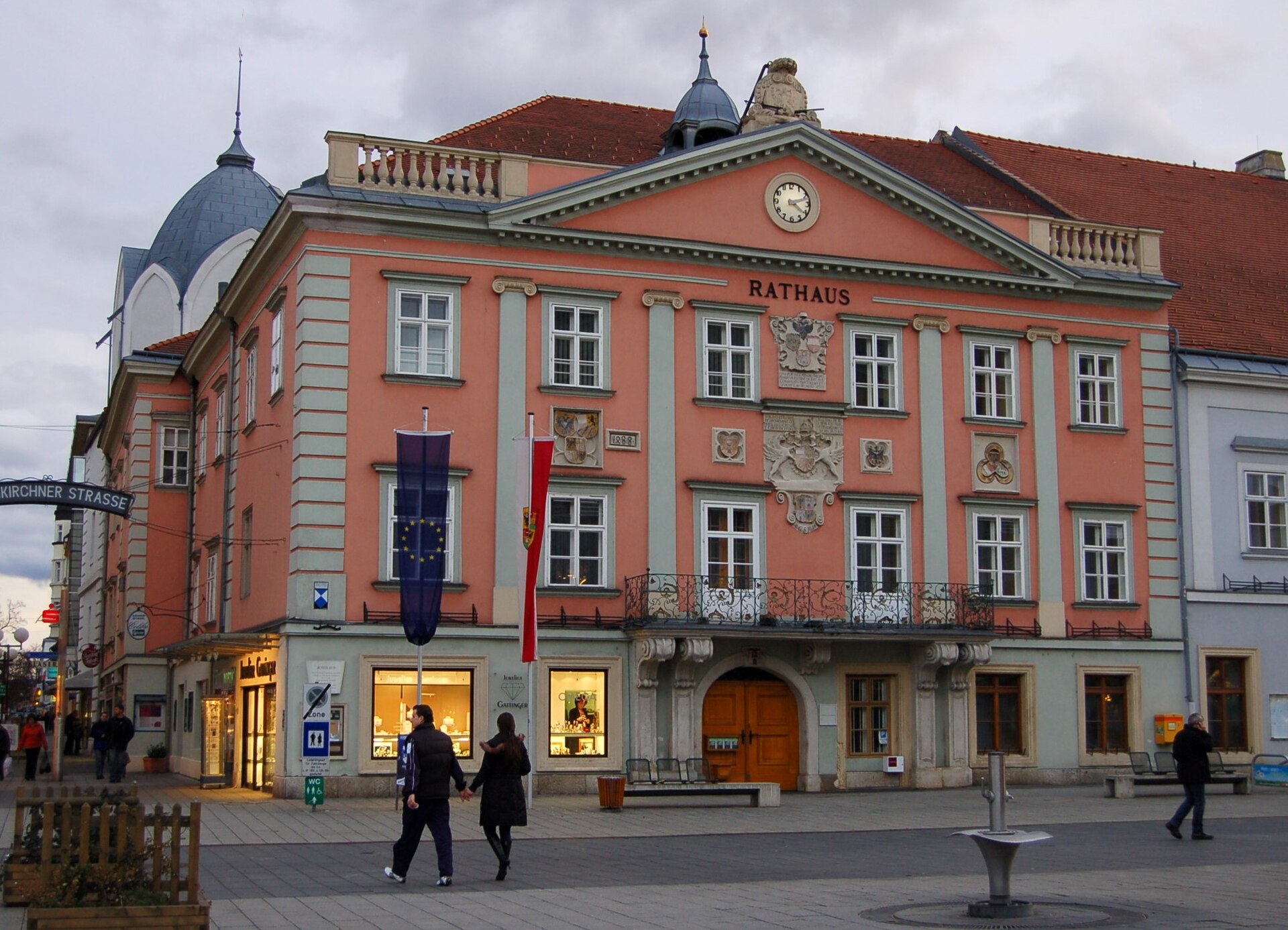
According to reporting by Der Standard and immofokus.at, Austrian investor Michael Tojner has recently acquired municipal housing properties in the city of Wiener Neustadt. The city itself posted a notice on its official website confirming the transfer and referencing specific properties, including a site on Leinerstraße. Local outlets such as ZackZack have also covered the sale and the reactions it prompted within the community.
The cited articles identify Tojner as the buyer; however, they do not disclose full financial terms of the transaction — for example, the purchase price or any contractual commitments concerning tenant protections or rent levels. The municipal notice confirms the change of ownership for the named properties but provides limited detail on the terms of the sale. Media coverage is based on municipal statements and reporting from parties involved in or aware of the negotiations.
- Media reports (Der Standard, Immofokus) state that investor Michael Tojner purchased municipal housing in Wiener Neustadt.
- The city of Wiener Neustadt confirmed the transaction on its official website and referenced specific properties (including Leinerstraße).
- Coverage in outlets such as ZackZack notes critical reactions from politics and tenant groups; published articles do not include full contractual details of the sale.
Municipal housing in context
Municipal housing has long been a cornerstone of housing policy in Austria, used by cities and municipalities to ensure affordable housing for a range of households. The sale or transfer of publicly owned residential properties is politically sensitive because it alters the public stock available for regulated or subsidised housing and can affect future rent levels and social inclusion.
In Wiener Neustadt — a Lower Austrian city of some 45,000 residents — debates over urban development, renovation of older buildings and the supply of affordable apartments are routine. A change of ownership from public to private hands raises questions for local government about how to steer housing policy going forward, for instance through pre-emption rights, preservation ordinances or contractual covenants that could be attached to any sale.
Public and political reactions
The reporting shows that parts of local politics and tenant advocates reacted with concern to the sale, warning of potential rent increases or displacement. Both Der Standard and ZackZack quote critical voices who call for transparency and safeguards for tenants. The available coverage documents initial statements and public debate, but it does not show a completed series of protests, petitions or formal legal challenges.
The municipal announcement stresses that the transfer complied with the relevant local decisions and legal frameworks. It does not, however, clarify whether the sale includes binding commitments protecting tenants — such as long-term affordability clauses, social use designations or specific renovation obligations. This omission has prompted calls from some local actors for full disclosure of the sale conditions.
About the buyer: Michael Tojner
Michael Tojner is a known figure in the Austrian investment landscape and has been active in various real estate projects. Immofokus lists Tojner in connection with the Wiener Neustadt purchase and situates the deal within his broader portfolio. Because investors of his scale can influence rental markets through renovation plans and repositioning of properties, his involvement attracts scrutiny from community stakeholders and observers.
The reports consulted do not provide detailed information on Tojner’s plans for the acquired municipal housing. It is not specified whether he intends to undertake extensive refurbishments, to retain the existing tenant base, or to reposition parts of the stock for different market segments. Those strategic choices will largely determine the sale’s practical consequences for current tenants and future housing supply.
Legal and contractual questions
A central issue in the aftermath of such sales is the content of the contracts between the municipality and the private buyer. Municipal property transfers can include rights of first refusal for tenants, clauses safeguarding affordability, or restrictions on use. The publicly available sources confirm the transfer but do not disclose contractual clauses that would indicate whether tenant protections are in place for the long term.
Absent access to the purchase agreements or recorded covenants, it is impossible to assess fully what legal measures — if any — secure current tenants’ positions. Housing-law experts and local housing-policy actors quoted in media coverage have urged the municipality to publish the relevant documentation and, if necessary, to explore political or legal steps to ensure continued affordable housing.
Consequences and remaining uncertainties
In the short term, the principal concern for many residents of the affected buildings is stability: predictable tenancy conditions and protection from abrupt rent hikes. Over the longer term, it will matter whether private ownership leads to investment in the building stock combined with measures that protect affordability, or whether it results in rent increases and displacement. The reporting so far paints a picture of unease and calls for greater transparency from both the city and the buyer.
It also remains unclear whether this transaction may set a precedent for other municipalities in Lower Austria or elsewhere in Austria. The city of Wiener Neustadt and representatives of the investor will be expected to provide further information on contractual safeguards, planned investments, and the intended management of the properties. The coming weeks and months should reveal whether formal protections for tenants have been agreed and how the local housing market will respond.
IO SYNTHESIS
THREE-SOURCE ARTICLE ANALYSIS
Media reports (Der Standard, Immofokus) state that investor Michael Tojner purchased municipal housing in Wiener Neustadt.
OPEN EVIDENCE ↗The city of Wiener Neustadt confirmed the transaction on its official website and referenced specific properties (including Leinerstraße).
OPEN EVIDENCE ↗Coverage in outlets such as ZackZack notes critical reactions from politics and tenant groups; published articles do not include full contractual details of the sale.
OPEN EVIDENCE ↗✓ SOURCES AND DOCUMENTS
01 derstandard.at ↗02 immofokus.at ↗03 derstandard.at ↗Sources last checked · 26.08.2026, 20:08This article was written and checked by the ZEITUNG.IO newsroom. It is updated when new verified information becomes available.