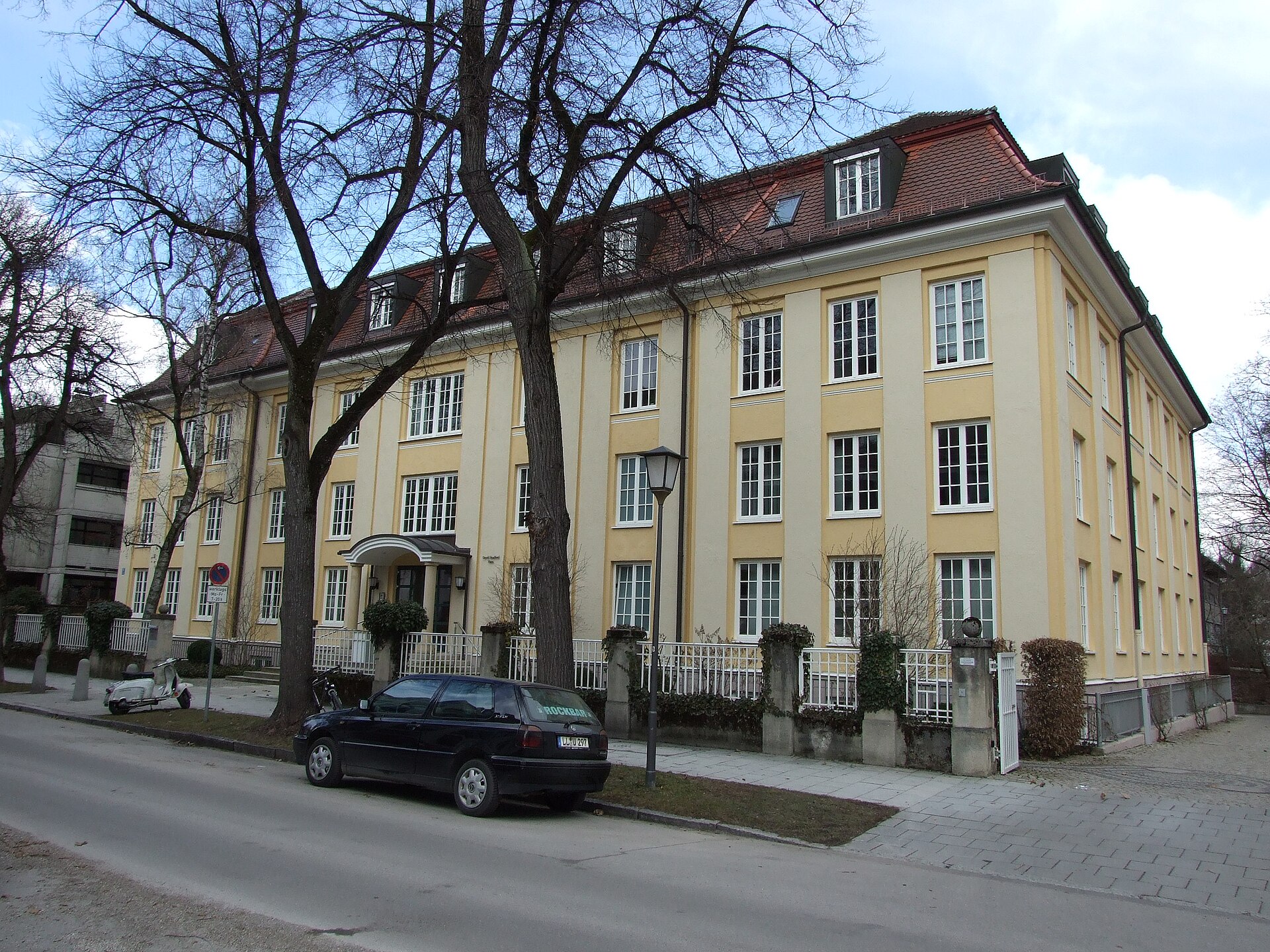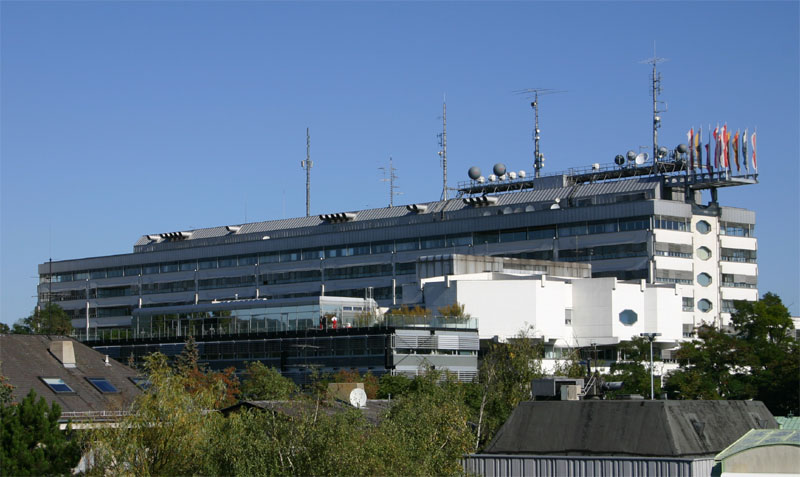
On 30 September 2026 the ifo Institute published its monthly business climate index for East Germany. The seasonally adjusted composite index rose from 89.8 in August 2026 to 91.1 in September 2026 (base year 2015 = 100). The release was issued by ifo’s Dresden office and is signed by Joachim Ragnitz and Marcel Thum. The press release points readers to downloadable time series (PDF and XLSX) for detailed month‑by‑month values and extended analysis.
The number was independently reported by national and regional media, including dpa and local outlets such as the Ostdeutsche Zeitung. A small reporting discrepancy has appeared in some secondary coverage: a few reports list the prior month as 89.9 rather than 89.8. The ifo data tables indicate that slight differences can result from mixing the composite climate series with the separate ‘current situation’ (Lage) series; for exact figures it is therefore advisable to consult the official ifo time series files.
- The ifo business climate index for East Germany rose from 89.8 (August 2026) to 91.1 (September 2026), seasonally adjusted, base 2015 = 100, according to the ifo press release dated 30 September 2026.
- The regional series is based on roughly 1,700 monthly company responses from manufacturing, services, trade and construction.
- The release from ifo’s Dresden office is signed by Joachim Ragnitz and Marcel Thum; full time series (PDF/XLSX) are available on ifo.de.
- Some secondary reports listed the prior month as 89.9 rather than 89.8; ifo’s tables show this can arise from mixing the composite climate index and the separate ‘Lage’ (current situation) series.
How the index is compiled and what it measures
According to the ifo release, the East Germany business climate index is based on roughly 1,700 monthly company responses across manufacturing, services, trade and construction. The index is seasonally adjusted and referenced to 2015 (2015 = 100). It comprises two sub‑series: the current assessment of business conditions (Lage) and firms’ expectations (Erwartungen). The published climate value is a composite measure that combines those two components.
In practical terms, economists treat the ifo business climate as a short‑run sentiment indicator. A rising index usually signals that firms perceive their current situation as better or expect improvements ahead; a falling index signals the opposite. Because it is survey‑based, the index can move ahead of changes in hard activity data such as output or employment, but it is also susceptible to transitory swings driven by sector‑specific news, seasonal factors or survey sampling variation.
Crucially, a level of 91.1 remains below the 2015 baseline. That means while sentiment has improved month‑on‑month, the overall mood among East German firms is still below the average level recorded in 2015.
Sectoral and regional nuances
The ifo release lists responses from the usual four sectors but does not provide an extended narrative breakdown by industry within the body of the press release; the downloadable time series hold the month‑level details. Historically, movements in the East German climate index have been driven by different sectors in different phases: sometimes manufacturing expectations dominate, sometimes services or construction are the main contributors.
Regional heterogeneity within East Germany also matters. Urbanised regions with a stronger industrial or high‑tech presence generally react more strongly to global demand cycles, while less dynamic rural areas are comparatively more dependent on domestic consumption and local investment. The published data allow journalists and analysts to extract sectoral series; those seeking precise explanations of what drove the September change should consult the XLSX files or request clarification from the Dresden ifo team.
Why the modest improvement matters
The slight uptick in September is notable because East Germany’s economic trajectory has been uneven for years. Differences in growth, wage dynamics and productivity between East and West Germany persist, and structural issues such as demographic change, skills shortages in particular regions and sectoral transition pressures shape medium‑term prospects. An improvement in business sentiment can, even if modest, support investment decisions and increase the willingness of firms to recruit, at least in the short term.
For policymakers the index functions as one input among many: improved sentiment can provide political space for continuation or adjustment of regional investment programmes, and it may influence communication by state governments that monitor local economic confidence. Yet lasting convergence with West German levels requires structural reforms and sustained investment in education, innovation and infrastructure, which are not captured by a single monthly survey reading.
Uncertainties, reporting caveats and next steps
While the ifo figures are widely respected, two caveats are important for reporting and analysis. First, single monthly moves are volatile; a one‑month increase does not by itself demonstrate a trend. Second, secondary reporting has already shown a minor inconsistency in the prior month’s value (89.9 vs 89.8), apparently due to confusion between the composite climate series and the current‑situation series. For precise reporting, consult the official ifo time‑series download.
For follow‑up reporting, the ifo press release provides contact details for the Dresden office (including press contact Carsten Matthäus) and the named authors Joachim Ragnitz and Marcel Thum. Journalists seeking to place the September change in a broader context should combine the index with other real‑economy indicators—such as regional employment statistics from the Federal Employment Agency, industrial production data and comprehensive national ifo indices—to assess whether the sentiment improvement foreshadows durable gains in activity or reflects a short‑lived shift in mood. The ifo XLSX and PDF materials are the reliable primary sources for charts and exact monthly values.
IO SYNTHESIS
THREE-SOURCE ARTICLE ANALYSIS
The ifo business climate index for East Germany rose from 89.8 (August 2026) to 91.1 (September 2026), seasonally adjusted, base 2015 = 100, according to the ifo press release dated 30 September 2026.
OPEN EVIDENCE ↗The regional series is based on roughly 1,700 monthly company responses from manufacturing, services, trade and construction.
OPEN EVIDENCE ↗The release from ifo’s Dresden office is signed by Joachim Ragnitz and Marcel Thum; full time series (PDF/XLSX) are available on ifo.de.
OPEN EVIDENCE ↗✓ SOURCES AND DOCUMENTS
01 ifo Institut · Presse ↗02 ifo.de ↗03 ifo.de ↗Sources last checked · 01.10.2026, 04:33This article was written and checked by the ZEITUNG.IO newsroom. It is updated when new verified information becomes available.