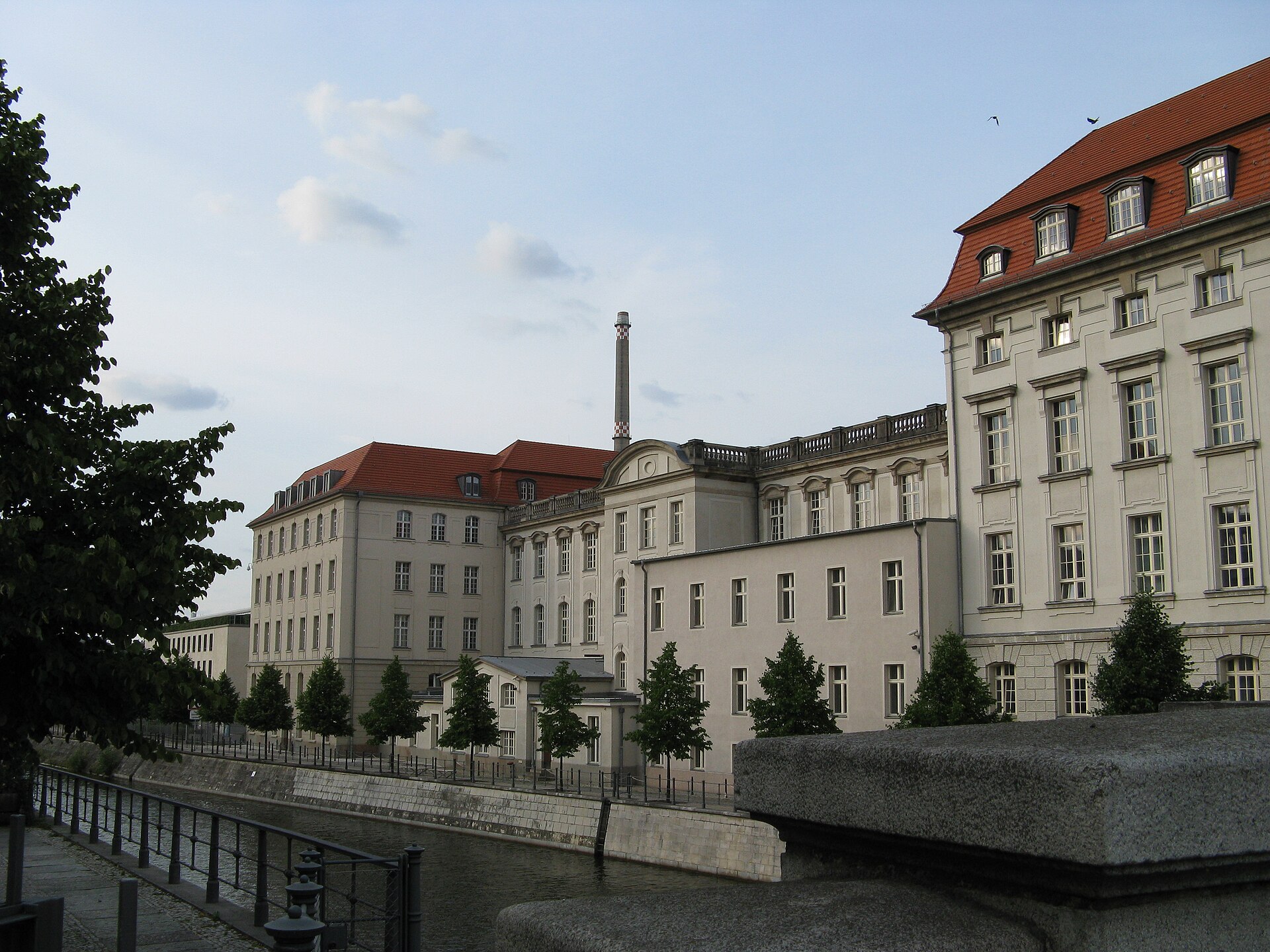
A framework paper intended to form the basis of a draft law became public through media reports on 21 October 2026. According to coverage in the Kölner Stadt‑Anzeiger and reporting by the German press agency dpa, the document was prepared within the Federal Ministry of Justice and the Federal Ministry of Finance. The federal government has also engaged publicly with the issue at events involving the insurance sector, and the industry association Gesamtverband der Deutschen Versicherungswirtschaft (GDV) has been part of the discussion, according to official notices.
The core message described in the reporting is that insurance coverage for so‑called elementar events should be expanded. The document lists risks such as flooding from rivers, heavy rainfall events, landslides and earthquakes as in scope for extended coverage. Media reporting indicates this is a preparatory policy document outlining options rather than a finished legislative text. Nevertheless, its publication triggered rapid debate because it discusses approaches that could have significant consequences for homeowners, insurers and public budgets.
It is important to stress that the published paper is an internal policy outline and not binding law. Such framework papers are commonly used to map choices, estimate financial implications and set out policy options. Even so, the release of the document has already prompted responses from state governments, municipalities and industry stakeholders.
- A framework paper for a draft law was reported on 21 October 2026 as having been prepared by the Federal Ministries of Justice and Finance.
- The paper proposes widening insurance cover to include elemental hazards such as river flooding, heavy rainfall, landslides and earthquakes.
- The Kölner Stadt‑Anzeiger reported the document exclusively; the story was subsequently picked up by dpa and other outlets.
- The federal government and the industry association GDV have been involved in the public debate and specialist discussions on the issue.
What the proposals address
According to the reported content, the paper addresses multiple angles for improving protection against natural hazards. It considers which types of damage ought to be included under household and building insurance policies and examines options for whether private insurance against elemental damage should become mandatory. The report does not yet settle whether a compulsory scheme would be nationwide, targeted to high‑risk zones, or combined with voluntary private cover plus state support; these are listed as options rather than final decisions.
Technical and actuarial questions are also noted in the framework. Policymakers are weighing how risk‑based premiums can be designed without making cover unaffordable, how reinsurance markets might respond, and whether state backstops—such as catastrophe funds—should be part of the architecture. Public reporting references such possibilities, but without definitive commitments. The paper frames the private market as currently insufficient to underwrite extreme risks on its own in all scenarios, hence the search for collective solutions.
Why reform matters now
The debate stems from recent experience: Germany has seen several severe weather and flood events in recent years that caused widespread damage to homes and infrastructure. Observers in the insurance sector note that climate change is influencing both the frequency and intensity of certain natural hazards, which could translate into higher claims and pressures on public finances. Proponents of clearer regulation argue that defining responsibilities and ensuring insurability today can prevent larger financial and social problems after major events.
The social angle is central. Many households in Germany own property without comprehensive elemental damage cover. In areas prone to flooding or landslides, uncovered households face the possibility of catastrophic private losses. The framework paper explicitly addresses this social component and considers measures to balance affordability—such as transition periods or tiered premium models—alongside risk‑reflective pricing.
Responses from politics and industry
Reactions to the reports have been mixed. Industry representatives have stressed the need for long‑term, predictable rules, while warning that hastily designed obligations could lead to risk selection and rising premiums. The GDV, which has participated in public dialogues on the subject, has long advocated for sustainable solutions that preserve market stability and guarantee coverage. The recent media coverage has prompted the association and individual insurers to reiterate these priorities.
Political actors at federal and state levels have underscored the complexity of the matter. State governments affected by floods have often prioritized immediate relief and prevention, while other political voices emphasize protecting homeowners from disproportionate financial burdens. A cross‑level political consensus on concrete measures has yet to emerge and will likely require prolonged negotiations.
Open questions and foreseeable next steps
Crucially, the framework paper represents a set of options, not final policy. Key uncertainties include the precise design of any compulsory element (if adopted), the level and distribution of premiums, the timeline for implementation, and the form that any public financial backing would take in extreme events. Operational issues also remain: how risk zones would be defined, which mapping tools and metrics would be used, how vulnerable households would be protected from unaffordable costs, and what preventive obligations property owners might face.
The likely next phases are further interministerial coordination, stakeholder consultations with the insurance industry and dialogues with states and municipalities. Media coverage and industry commentary suggest the debate could continue for months as technical, legal and fiscal aspects are weighed. Although the framework paper has set the agenda, much of the substantive work remains to be done before any legislative proposal reaches parliament.
IO SYNTHESIS
THREE-SOURCE ARTICLE ANALYSIS
A framework paper for a draft law was reported on 21 October 2026 as having been prepared by the Federal Ministries of Justice and Finance.
OPEN EVIDENCE ↗The paper proposes widening insurance cover to include elemental hazards such as river flooding, heavy rainfall, landslides and earthquakes.
OPEN EVIDENCE ↗The Kölner Stadt‑Anzeiger reported the document exclusively; the story was subsequently picked up by dpa and other outlets.
OPEN EVIDENCE ↗✓ SOURCES AND DOCUMENTS
01 Tagesschau · Inland ↗02 n-tv.de ↗03 bundesregierung.de ↗Sources last checked · 21.10.2026, 16:37This article was written and checked by the ZEITUNG.IO newsroom. It is updated when new verified information becomes available.