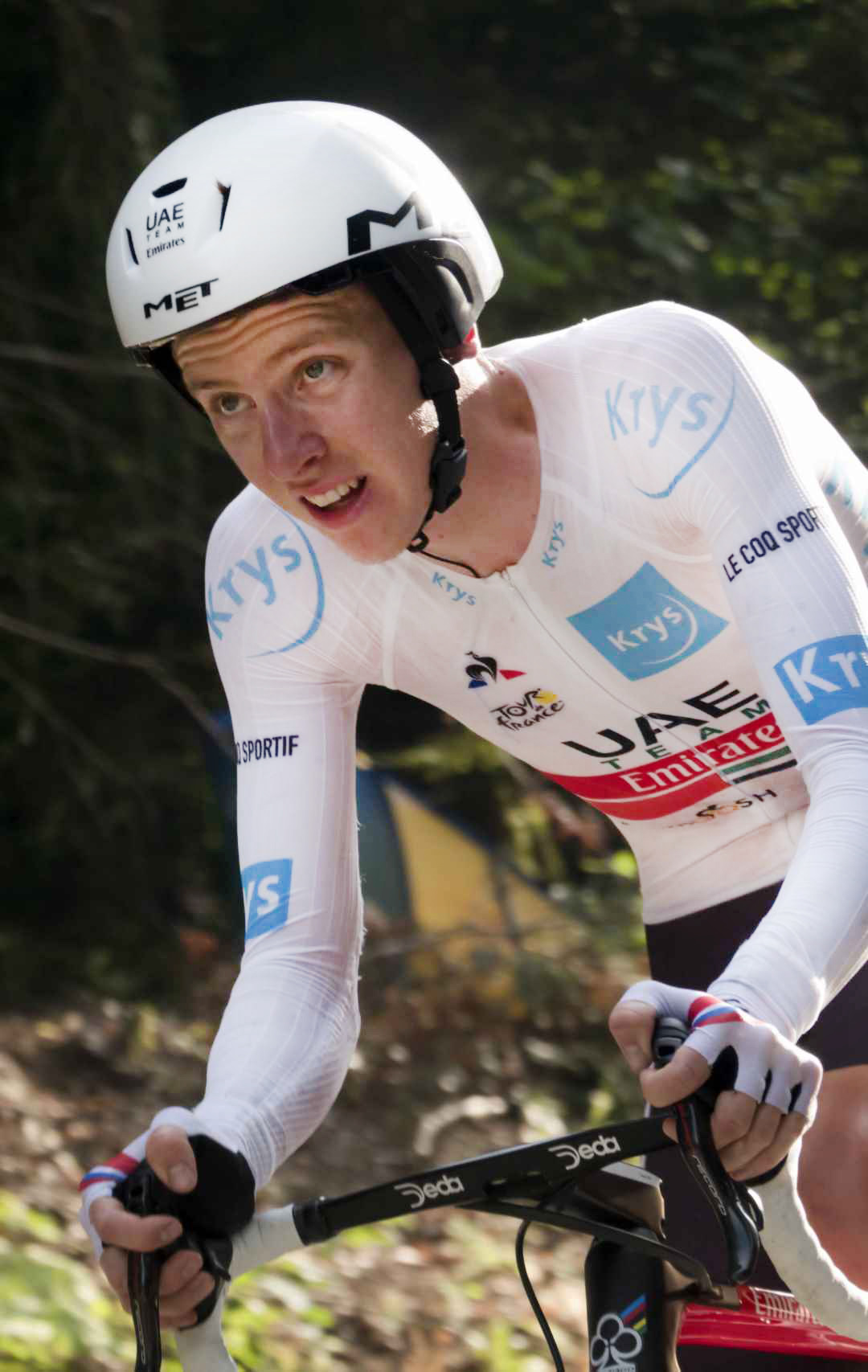
Tadej Pogačar (UAE Team Emirates XRG) won the fourth stage of the 2026 Vuelta a España on Tuesday, taking a commanding victory in Andorra la Vella. The mountain stage covered 104.8 kilometres and ended with a long solo by the Slovenian: according to official timing from La Vuelta and race reports by Cyclingnews, Pogačar broke clear with around 50.3 km remaining and rode alone to the line, clocking 2:40:35 and finishing 2 minutes 39 seconds ahead of the next rider.
The profile of the stage — short but mountainous — suited aggressive moves and selective racing. Observers and official reports describe Pogačar’s move as both bold and sustained, showing the sort of endurance and tactical timing that can reshape a Grand Tour within a single stage. The performance reinforced his reputation as an elite stage racer capable of long, sustained efforts in hilly terrain.
- Stage 4, Andorra la Vella — 104.8 km, raced on 25 August 2026 (La Vuelta).
- Tadej Pogačar (UAE Team Emirates XRG) soloed for about 50.3 km to win; official time 2:40:35, margin 2:39 (La Vuelta; Cyclingnews).
- Jarno Widar finished second; Félix Gall (Decathlon CMA CGM) was third and moved to seventh overall, 3:57 behind Pogačar (official times).
- Decathlon CMA CGM set tempo early for Gall; Gregor Mühlberger was a prominent helper in the team effort (race reports).
Anatomy of the attack
Race coverage indicates the move developed out of broader racing dynamics: an initial breakaway and then a decisive acceleration by Pogačar that saw him separate from rivals and maintain a solo advantage for more than 50 kilometres. Such a long-alone effort in a Grand Tour is unusual and requires precise energy management, both by the rider and through prior team support.
Cyclingnews documented the progression of the gap and the difficulty rivals faced in organising a cohesive chase. The time gains Pogačar achieved on this demanding terrain underline a physical superiority on the day and a measured judgement about when to take the initiative. While a single stage does not determine a three‑week race, a victory of this character produces tactical pressure on opposing teams and may alter how they allocate efforts in the days that follow.
Félix Gall and Decathlon CMA CGM’s approach
Austria’s Félix Gall (Decathlon CMA CGM) was among the most prominent aggressors on the day. Reports and the official race summary show that Gall’s team rode hard early to support his ambitions, with Gregor Mühlberger playing a visible role in setting tempo and assisting Gall’s position in the finale. The preparation enabled Gall to contest the sprint for the minor placings and secure third on the stage.
Gall’s result moved him to seventh in the general classification, 3 minutes 57 seconds behind Pogačar, according to the official times published by La Vuelta. For Decathlon CMA CGM, the aggressive strategy signaled their intent to be active in the race rather than purely defensive; whether they can sustain that intensity through the mountains and potential time trials ahead is a key question for the team.
Implications for the overall race
Pogačar’s solo victory not only collected a prestigious stage win but also reshaped the early general classification dynamics. The time gaps force rival teams to consider new tactical options: to organise coordinated chases on hilly terrain, attempt breakaway moves that can threaten time losses, or conserve resources for later, more decisive mountains or time trials. The official results show Jarno Widar took second on the day; his placing — and the time he lost or gained relative to other contenders — will factor in team decisions going forward.
What this stage emphasises is the volatility of Grand Tours in their opening week when riders still test each other’s form. Long, successful attacks concentrated on medium‑length mountain days can produce sizable time differentials that reverberate through team strategies and rider morale. Opponents now must decide how aggressively to respond, balancing the desire to reclaim time with the risk of depleting riders prematurely.
Remaining uncertainties and outlook
Although the facts of the stage are clear, several strategic elements remain unsettled. It is not yet determined whether UAE Team Emirates XRG will use Pogačar’s advantage to control the race as a leader of a GC bid or whether the team will adopt a more stage‑focused plan. La Vuelta’s official timings and Cyclingnews’ reporting provide the objective framework, but team tactics over coming stages will reveal the race’s developing narrative.
For Félix Gall and Decathlon CMA CGM, a podium on the stage is a meaningful affirmation of form and tactical planning, but Grand Tour success demands depth and continuity. The coming stages in the Pyrenees and any upcoming time trials will test both Pogačar’s capacity to defend time gained and Gall’s ability to consolidate and perhaps further improve his GC position. In short, Tuesday’s performance sets the scene for an intriguing sequence of days in the Vuelta, with strategic choices by several teams poised to determine whether Tuesday remains an isolated statement or the start of a decisive run.
IO SYNTHESIS
THREE-SOURCE ARTICLE ANALYSIS
Stage 4, Andorra la Vella — 104.8 km, raced on 25 August 2026 (La Vuelta).
OPEN EVIDENCE ↗Tadej Pogačar (UAE Team Emirates XRG) soloed for about 50.3 km to win; official time 2:40:35, margin 2:39 (La Vuelta; Cyclingnews).
OPEN EVIDENCE ↗Jarno Widar finished second; Félix Gall (Decathlon CMA CGM) was third and moved to seventh overall, 3:57 behind Pogačar (official times).
OPEN EVIDENCE ↗✓ SOURCES AND DOCUMENTS
01 derstandard.at ↗02 techradar.com ↗03 cyclingweekly.com ↗Sources last checked · 26.08.2026, 18:51This article was written and checked by the ZEITUNG.IO newsroom. It is updated when new verified information becomes available.