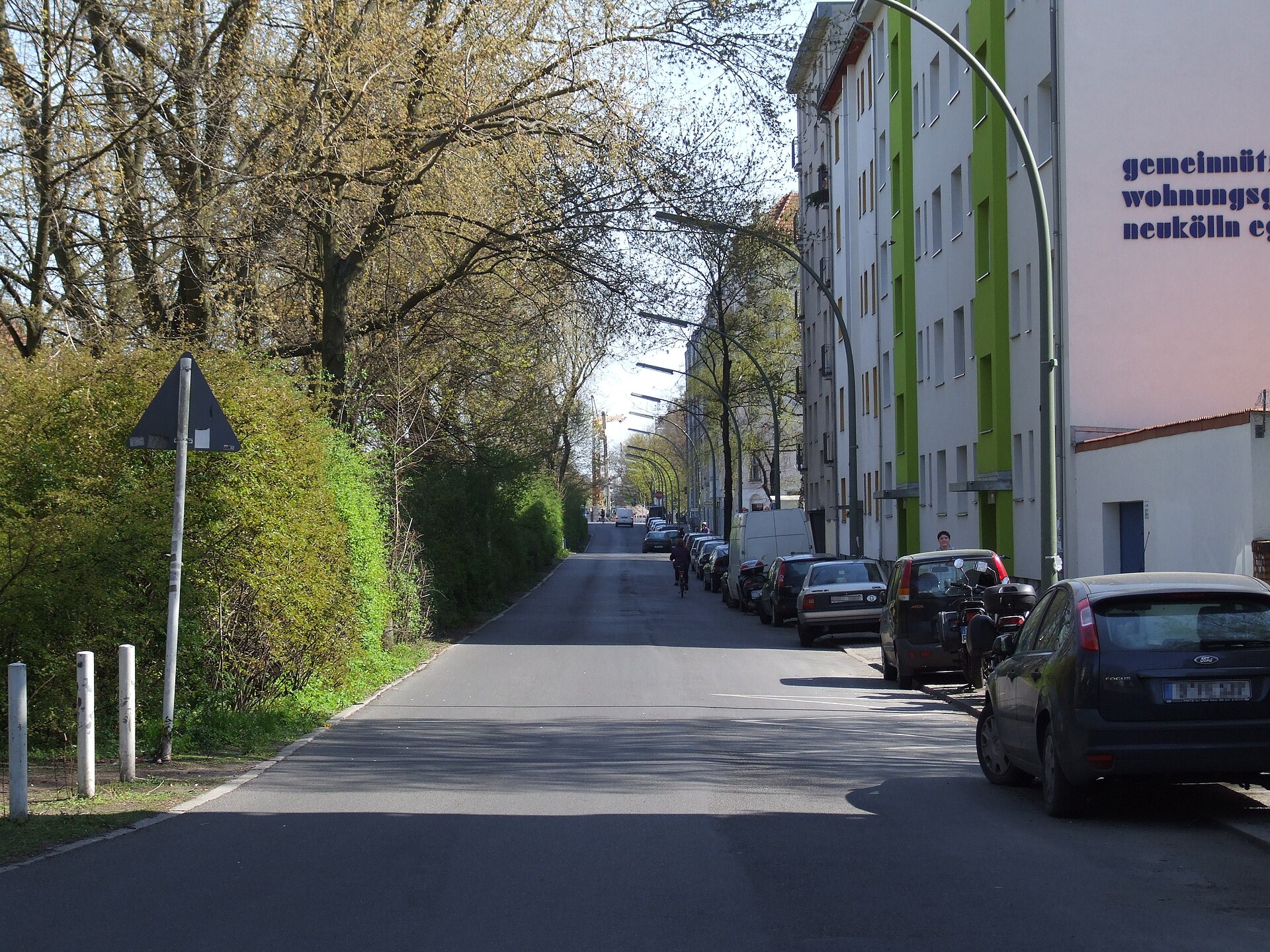
On 26 August 2026, emergency services located an approximately 100-kilogram World War II aerial bomb in the Neuköllner Schifffahrtskanal, the shipping canal in Berlin-Neukölln. Reports from Der Standard place the find at the Weigandufer area, between Teupitzer and Treptower streets. The discovery prompted a rapid response from police, fire departments and specialized explosive ordnance disposal teams.
Authorities quickly established a safety perimeter around the site, cordoning off adjacent roads and public-transport stops. Media outlets, including Zeit, reported that roughly 5,600 households — described as “thousands” of residents — were temporarily evacuated as a precaution. Evacuation centers were set up and emergency coordinators handled transportation and basic needs for those affected.
The circumstances that led to the bomb’s exposure — whether it was revealed during construction work, maintenance of the canal, or uncovered during a routine inspection — were not presented consistently in initial accounts. What is clear from the reporting, however, is that the device’s condition was judged hazardous enough to require immediate intervention by ordnance disposal specialists.
- An approximately 100 kg World War II aerial bomb was found on 26 August 2026 in the Neukölln shipping canal (Weigandufer).
- About 5,600 households — described in reports as »thousands« — were temporarily evacuated (reports by Zeit and Der Standard).
- The bomb was successfully defused on 26 August 2026 and residents were allowed to return before midnight.
How the defusing operation proceeded
According to time-stamped reports, the bomb was rendered safe on the same day it was found. Specialized technicians carried out the defusing operation in the evening hours, and official communications indicated that the danger had been neutralized once the device was declared safe. Exact operational details — for example whether the fuse was removed on-site or whether a controlled detonation was used — were not disclosed in the public statements.
Authorities announced staged return times to allow residents to reoccupy their homes in an orderly way, and most people were permitted to return before midnight. Such staggered returns help manage logistics and permit final inspections of cleared zones by emergency personnel.
Operational discretion is common in explosive ordnance disposal operations. Details are often withheld both to avoid revealing tactical methods and to minimize risks to public safety; therefore, official communiqués tend to focus on outcomes — whether the device was rendered safe and when residents can return — rather than operational minutiae.
Impact on local residents and services
The immediate consequence for the local population was a temporary displacement that affected thousands. The figure of approximately 5,600 households given in initial reports underscores the scale of the operation and the potential disruption to daily life. Residents reported temporary sheltering needs, delays in public transport and restricted access to homes and businesses within the exclusion zone.
Beyond the logistical complications, such disruptions carry human costs: interruptions of sleep and work routines, stress and uncertainty about possible damage to property. Emergency services and local authorities typically provide short-term support, but how many people needed assistance, and to what degree, were not detailed in early coverage.
Local commercial operations in the immediate vicinity also risk short-term losses from closures and reduced customer footfall. Whether shops and small businesses in Neukölln experienced significant economic effects as a result of this particular evacuation was not recorded in the initial news reports.
Context: Why wartime ordnance still turns up
Finds of unexploded ordnance from the Second World War remain a recurring issue in Berlin and other cities across Germany. Even decades after the war, bombs, shells and other munitions surface during construction work, ground surveys, river or canal maintenance, or simply due to natural erosion and shifting soils. Municipalities have established protocols and specialized units to deal with these hazards as standard procedure.
Each discovery poses distinct challenges depending on the device’s condition, its proximity to populated areas, and access constraints. In densely built neighborhoods like Neukölln, evacuation logistics and limited working space for disposal teams complicate operations, increasing both the scale and duration of emergency measures.
Public perception is another factor: while many citizens accept evacuations as necessary precautions, recurrent disruptions can erode confidence and prompt debate over urban planning, the adequacy of preventive surveys, and the transparency of official communication during such incidents.
Uncertainties and potential follow-up
Several points remained unresolved in the immediate aftermath. Although the device was attributed to the Second World War, no more detailed historical attribution was provided — such as whether the bomb could be linked to a particular air raid. Reports did not specify whether the device’s discovery would trigger increased surveys in canal areas or changes in construction protocols.
It was also not yet clear whether the incident would have longer-term administrative consequences, for example prompting local authorities to adapt planning or to carry out systematic sondages in similar canal and riverfront areas. Past finds have sometimes led to more intensive pre-construction checks; whether that will follow here depends on political and planning decisions to be made in coming weeks.
Finally, while authorities declared the scene safe and residents were allowed back before midnight, subsequent assessments — for instance of infrastructure, possible contamination of the canal or structural impacts on nearby properties — had not been reported in detail. Further official updates will be needed to clarify any residual effects and to summarize the emergency response in full.
IO SYNTHESIS
THREE-SOURCE ARTICLE ANALYSIS
An approximately 100 kg World War II aerial bomb was found on 26 August 2026 in the Neukölln shipping canal (Weigandufer).
OPEN EVIDENCE ↗About 5,600 households — described in reports as »thousands« — were temporarily evacuated (reports by Zeit and Der Standard).
OPEN EVIDENCE ↗The bomb was successfully defused on 26 August 2026 and residents were allowed to return before midnight.
OPEN EVIDENCE ↗✓ SOURCES AND DOCUMENTS
01 derstandard.at ↗02 zeit.de ↗03 zeit.de ↗Sources last checked · 27.08.2026, 10:15This article was written and checked by the ZEITUNG.IO newsroom. It is updated when new verified information becomes available.