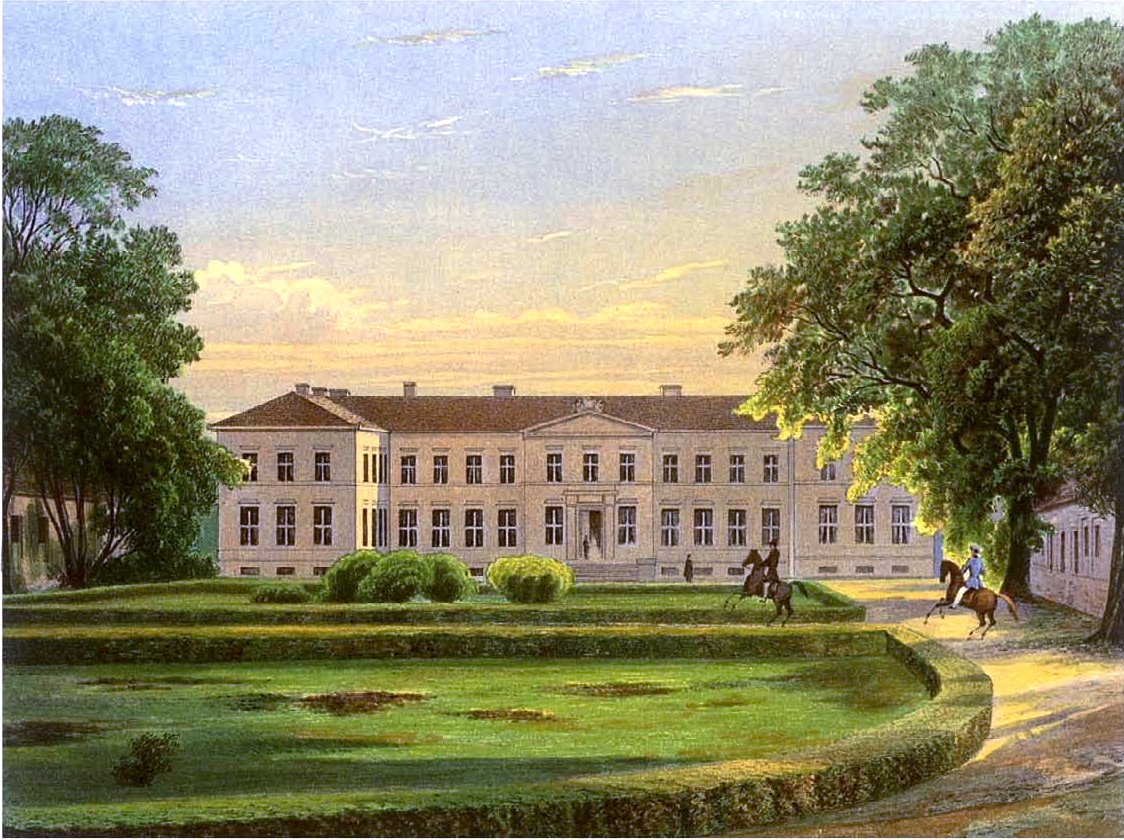
The federal government convened for a two‑day cabinet retreat on 25 and 26 August 2026 at Schloss Neuhardenberg in Brandenburg. These retreats are customary moments for ministers to align on strategy and to set political priorities for the months ahead. This particular meeting drew attention for its economic and social policy agenda-setting, with ministers signalling where legislative and budgetary efforts may be concentrated.
Following the meeting, several high‑profile media interviews took place. Finance Minister Lars Klingbeil — also serving as Vice‑Chancellor and a leading figure in the SPD — spoke to national broadcasters, including ARD’s tagesthemen and ZDF’s reporting. His statements in those broadcasts framed the government’s public messaging after the retreat.
- The cabinet retreat took place on 25–26 August 2026 at Schloss Neuhardenberg in Brandenburg.
- Finance Minister and Vice‑Chancellor Lars Klingbeil spoke to national broadcasters after the retreat, including ARD’s tagesthemen and ZDF coverage.
- Klingbeil told media that the government sought a “new beginning,” naming growth, jobs and modernising social security as priorities, and referenced a 500‑billion special fund and an ambition to progress pension reform “by the end of the year.”
Klingbeil’s message: growth, jobs and social systems
In the tagesthemen interview Klingbeil told viewers that the government wanted a “new beginning” — a phrase the Tagesschau quoted: “Wir wollen den Aufbruch, das ist auf dieser Klausur nochmal deutlich geworden.” This framing was used to emphasise the administration’s intention to prioritise economic growth and the safeguarding and creation of employment.
He also said the government would focus on modernising social security systems. According to media reports of his interviews, Klingbeil stressed that the government seeks not only grand strategic goals but also tangible local impacts: investments should reach communities through projects such as waterworks, schools, roads and railways.
The 500‑billion special fund and the pensions timetable
Klingbeil referred to a 500‑billion special fund — an instrument the government intends to use to finance local projects, he said. In the interviews he cited this fund as an example of how public money could be deployed to the municipal level. However, the public statements did not present the exact legal framework, disbursement schedules or specific project lists as already legislated or fully specified.
A second major point was pension reform. ZDF reported that Klingbeil expressed a desire to have work on a new pension system ‘on the way by the end of the year’ (“bis zum Jahresende”). That formulation sets a political target rather than indicating that a binding legislative package or final drafts already exist. Detailed drafting, fiscal estimates and negotiations with coalition partners will be required before any legally binding reform can be brought forward.
Political implications: coalition unity and the challenge of delivery
Klingbeil’s public call for coalition unity and a shared sense of purpose fits a familiar pattern after internal government consultations: a public signalling of consensus to demonstrate resolve and to shape expectations among voters and stakeholders. Framing the retreat as evidence of an “Aufbruch” is designed to communicate momentum both inside the government and to the electorate.
The substantive challenge is turning those intentions into law and effective policy. Pensions reforms typically involve intricate financial modelling and cross‑sectoral compromises. The stated year‑end ambition raises the political stakes by establishing a clear time frame; it also concentrates attention on upcoming parliamentary and intra‑governmental negotiations, where compromises may alter or delay the announced priorities.
Fiscal implementation and uncertainties
Promises that investment money will ‘reach’ local projects highlight the importance of administrative mechanisms. Whether municipalities can access funds quickly depends on eligibility rules, application procedures and local administrative capacity. The question of how quickly and efficiently funds will be distributed remains open, and each funding tranche will likely require formal decisions and legal instruments.
From a fiscal perspective, more concrete documentation is necessary. Public interviews confirm the government’s political intention to pursue an investment offensive, but independent assessment of the financial impact requires published budget documents, ministry statements and the legal texts that will govern the special fund. These items were not presented as final in the media interviews following Neuhardenberg.
Outlook and outstanding questions
Klingbeil’s media appearances after the cabinet retreat have clarified the administration’s headline priorities: growth, jobs and a reformed pension system. The decisive test will be whether the government translates these priorities into specific legislative proposals, and how those proposals fare in parliamentary scrutiny.
Key uncertainties remain. The year‑end timetable for pensions is a political target that will require intensive negotiation, technical analysis and stakeholder engagement to become a viable law. Equally unresolved is how the 500‑billion fund will be governed, phased and audited, and which projects will be given priority. The interviews provide a view of political intent; for lawful, financial and programmatic analysis, further official documents from the Federal Ministry of Finance and government budget statements will be necessary.
IO SYNTHESIS
THREE-SOURCE ARTICLE ANALYSIS
The cabinet retreat took place on 25–26 August 2026 at Schloss Neuhardenberg in Brandenburg.
OPEN EVIDENCE ↗Finance Minister and Vice‑Chancellor Lars Klingbeil spoke to national broadcasters after the retreat, including ARD’s tagesthemen and ZDF coverage.
OPEN EVIDENCE ↗Klingbeil told media that the government sought a “new beginning,” naming growth, jobs and modernising social security as priorities, and referenced a 500‑billion special fund and an ambition to progress pension reform “by the end of the year.”
OPEN EVIDENCE ↗✓ SOURCES AND DOCUMENTS
01 Tagesschau · Inland ↗02 tagesschau.de ↗03 tagesschau.de ↗Sources last checked · 26.08.2026, 21:37This article was written and checked by the ZEITUNG.IO newsroom. It is updated when new verified information becomes available.