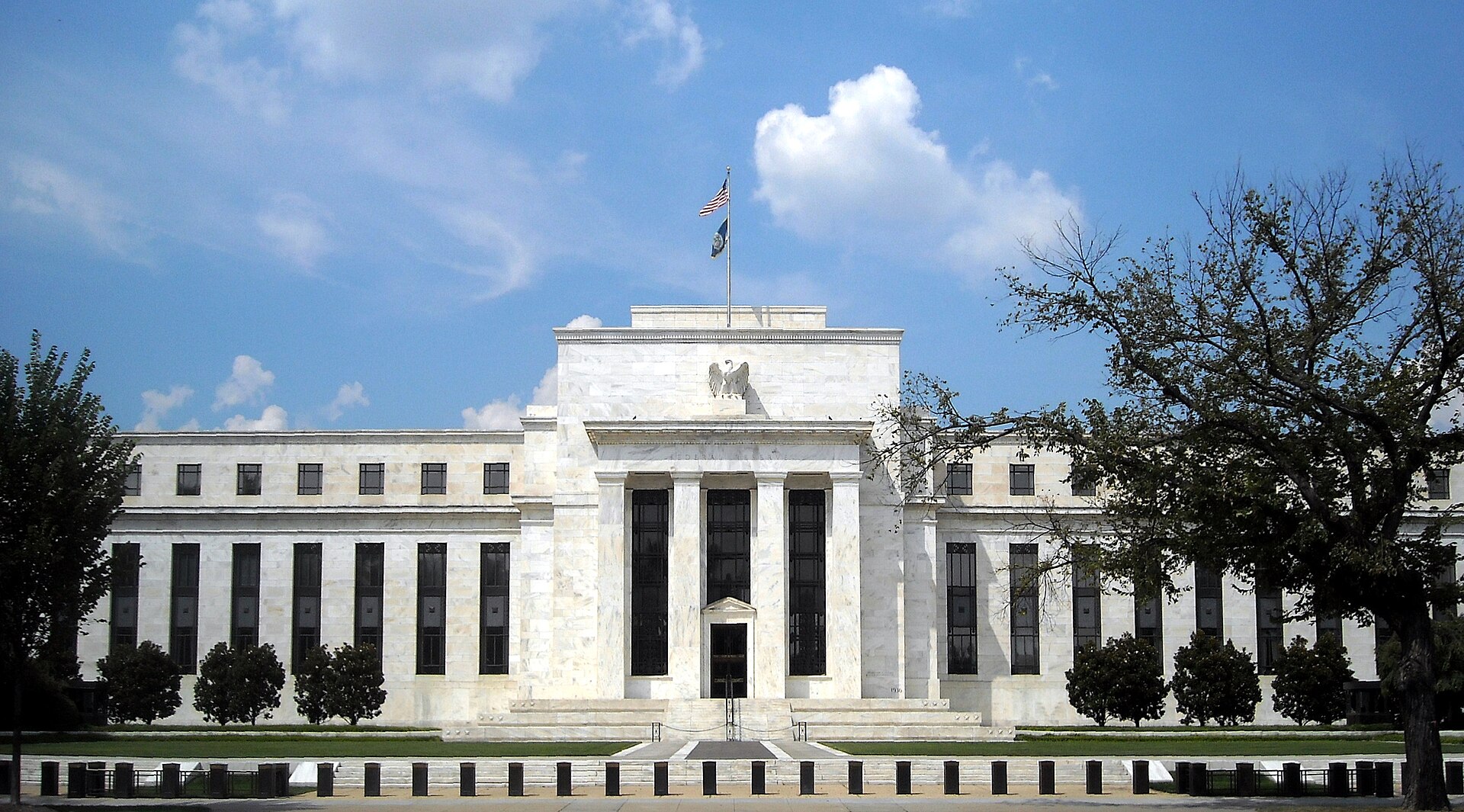
Kevin M. Warsh, sworn in as chair of the Federal Reserve Board on May 22, 2026, has in recent weeks stressed the bank's institutional independence. At the Jackson Hole symposium in late August 2026 he made clear, according to multiple reports, that he will not be guided by calls for immediate rate cuts. His comments mark a notable tonal shift in a year in which political voices have repeatedly urged quicker loosening of monetary policy.
Warsh's message comes amid persistent uncertainty about the US economic outlook. While headline inflation has eased from its recent peaks, it remains above some policymakers' comfort zones and core measures—particularly in services and wages—show still‑elevated readings. Warsh has framed his approach around data dependence: policy decisions should be driven by incoming economic information rather than by political timetables or short‑term pressure.
- Kevin M. Warsh was sworn in as chair of the Board of Governors of the Federal Reserve System on May 22, 2026.
- At the Jackson Hole symposium in late August 2026 Warsh signalled that the Fed would not be guided by calls for immediate rate cuts and indicated a more data‑dependent, less prescriptive communication approach (reports from AP and Axios).
- Prominent political figures, including former President Donald Trump, have publicly urged faster interest‑rate cuts, according to US media coverage.
What Warsh actually signalled
Reports indicate that Warsh favoured a shift toward less prescriptive forward guidance. Rather than commit to calendar‑based promises about future rate moves, the Fed under Warsh intends to place greater emphasis on conditional, data contingent messaging. This change is designed to preserve policy flexibility should economic conditions deviate from projections.
Observers interpreted these signals as a rejection of calls for early rate cuts. The difference matters: a less predictable communications stance can leave markets scrambling to adjust expectations, raising short‑term volatility across interest‑rate sensitive assets.
Immediate market consequences
Markets reacted quickly to Warsh's comments. Bond yields—which embed expectations about future policy rates—moved as investors updated probability distributions for cuts. Equities experienced intraday volatility as risk assets wrestled with the possibility of a more protracted period of restrictive policy. Currency markets also saw shifts, since a more persistent rate differential tends to support the dollar.
For asset managers and corporate treasuries, a turn away from stable forward guidance complicates planning. Models that relied on predictable central bank commitments must be recalibrated, and risk frameworks adjusted to allow for faster policy pivots. That recalibration has real‑world consequences for borrowing costs across the economy.
Political backdrop and Mr. Trump’s influence
Warsh's stance must be seen against a backdrop of renewed political pressure on the Fed. Various political figures, including former President Donald Trump, have publicly called for swifter rate cuts to bolster growth. Those calls, repeatedly covered in US media, are part of the reason Warsh framed his remarks around independence and data reliance, according to reporting by outlets such as AP and Axios.
By eschewing firm calendar commitments, the Fed reduces the ammunition available to political critics who argue the central bank promised specific actions. At the same time, a less prescriptive posture can intensify political critique: opponents may argue that lack of clear commitments reflects a lack of responsiveness to economic hardship. How that political dynamic evolves will be important for future policy debates.
Institutional implications for the Fed
The Federal Reserve's independent status is a central feature of US economic governance, yet it is repeatedly tested when economic stress and political incentives collide. Warsh's move to anchor decisions more explicitly to incoming data reinforces that independence in formal terms. Practically, however, sustaining credibility will require careful internal deliberation and transparent documentation of decision rationales to convince markets and the public.
Moreover, shifting away from strong forward guidance raises questions about transparency and accountability. The Fed must walk a fine line: maintain operational flexibility while ensuring the public and markets can reasonably anticipate policy so households, firms and investors can plan. The communications challenge will be to offer sufficient clarity without locking the bank into commitments that could become counterproductive.
Remaining uncertainties and outlook
Despite Warsh's clear signalling, key uncertainties remain. The trajectory of core inflation—especially services prices and wages—will be decisive. Global shocks, commodity price swings, and unexpected changes in labour markets could force the Fed to adjust course. Warsh's approach is intended to allow for rapid response if necessary, but whether that flexibility will smooth or amplify future market moves is unknown.
Political developments also add an uncertain dimension. Should macroeconomic conditions deteriorate markedly, calls for faster easing could intensify and place additional strain on the Fed's independence. Conversely, durable economic strength would likely vindicate a cautious stance. The next few months of data releases and Federal Open Market Committee decisions will be crucial in revealing whether Warsh's communications strategy will stabilise expectations or contribute to further market noise.
IO SYNTHESIS
THREE-SOURCE ARTICLE ANALYSIS
Kevin M. Warsh was sworn in as chair of the Board of Governors of the Federal Reserve System on May 22, 2026.
OPEN EVIDENCE ↗At the Jackson Hole symposium in late August 2026 Warsh signalled that the Fed would not be guided by calls for immediate rate cuts and indicated a more data‑dependent, less prescriptive communication approach (reports from AP and Axios).
OPEN EVIDENCE ↗Prominent political figures, including former President Donald Trump, have publicly urged faster interest‑rate cuts, according to US media coverage.
OPEN EVIDENCE ↗✓ SOURCES AND DOCUMENTS
01 derstandard.at ↗02 apnews.com ↗03 axios.com ↗Sources last checked · 30.08.2026, 18:06This article was written and checked by the ZEITUNG.IO newsroom. It is updated when new verified information becomes available.