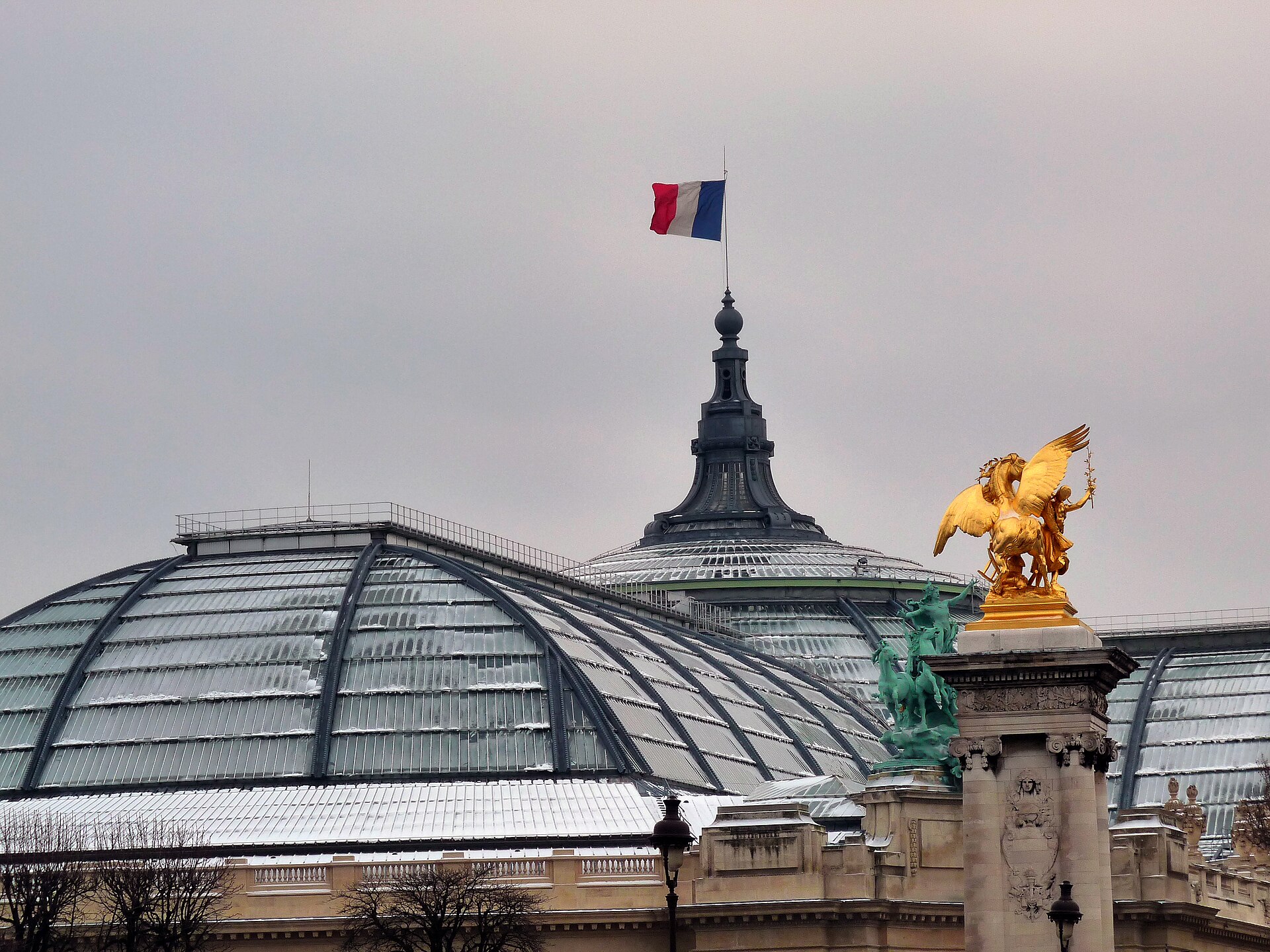
The Esports World Cup (EWC) concluded on 23 and 24 August 2026 in Paris. The closing ceremony and the club championship were held in the French capital; the event was organised by the Esports Foundation together with local partners. As a sporting competition it attracted professional teams, players and an international audience; economically it served as a platform for sponsors, investors and political actors to display their involvement in the sector.
According to the Esports Foundation’s official announcement, the club finals culminated with AGAL being crowned club champion. The tournament combined competitive matches, award ceremonies and a comprehensive side programme that included panels on industry issues and business meetings for stakeholders. International media coverage documented both the sporting highlights and the commercial ties that underpinned the event.
- The Esports World Cup concluded on 23–24 August 2026 in Paris; the event was organised by the Esports Foundation.
- AGAL was crowned club champion, according to the Esports Foundation’s closing statement.
- EWC chief Oliver Reichert told Tagesschau that esports must offer an “upward mobility promise.”
- Press coverage including Le Monde reported debates about partners and funding sources for the Paris edition.
Organisation, business model and stated objectives
The Esports Foundation positions the EWC as an international competition intended to advance comparability and professionalisation within the scene. From a business perspective the format aims to concentrate key revenue streams: sponsorship, media rights, ticket sales and B2B event services. Such bundling is common in the industry because it can deliver scale effects in the short term and pave the way for monetising audience markets over the long term.
The Foundation has so far disclosed selective details rather than a full financial account for the Paris edition; figures for sponsorship volumes or media deals have not been published in full. Nevertheless, the format seeks to establish recurring world cups that generate stable revenue and to elevate the sector institutionally — a goal emphasised by EWC chief Oliver Reichert in an interview with Tagesschau, in which he said that esports must provide an “upward mobility promise,” making professionalism and clear career pathways central success criteria.
Labour market in esports: opportunities and economic realities
Whether esports offers genuine upward mobility to young people and career entrants is an economic question with social implications. Reichert’s call for an upward mobility promise addresses structural improvements: reliable contracts, training pathways, health and social protections, and transparent career trajectories. Economically the market remains fragmented. While top professionals can secure significant prize money and sponsorships, many players rely on precarious short‑term contracts and uncertain incomes.
Institutional measures — such as youth academies or partnerships with educational institutions — could help bridge that gulf, industry observers suggest. Investors in esports pursue two related objectives: immediate brand exposure and long‑term talent development. The unresolved issue is whether the current business model creates sufficient incentives to establish widespread, dependable education and employment structures. Concrete employment data resulting directly from EWC are not publicly available, which complicates any definitive assessment.
Financing and political partners: debates over money’s origin
Financing major esports events is both an economic and political matter. Investigations and reporting — including coverage in Le Monde — placed the Paris edition of the EWC in the context of controversial partners. Such links have triggered debates about reputation, strategic interests and the conditions under which money flows into the industry.
The Esports Foundation worked with multiple institutional and commercial partners in Paris and has stated that agreements were concluded transparently and in line with market practices. Critics, however, call for clear compliance standards and sector‑specific guidelines when funds come from regions or actors associated with human rights concerns or political influence. These debates affect not just reputation management but also which sponsors are willing to engage in future editions.
Market signals, media rights and interaction with traditional sports
One economic aim of major esports events is to aggregate media interest. Media rights can produce substantial revenues provided broadcasters and streaming platforms see sustained growth potential. The Paris edition demonstrated international streaming demand and coverage, but the central question remains how this audience interest can be converted into reliable paying business models.
Additionally, esports organisations increasingly compete and cooperate with traditional sports federations and established media houses. Partnerships with football clubs, media conglomerates and event agencies can bring professional expertise and financial muscle, yet they risk imposing conventional sports logics on a sector with distinct production and labour forms. For the industry it will be important that such collaborations respect the particular needs of esports communities and workforce arrangements.
Outlook: established facts and outstanding questions
What is established: the EWC 2026 took place in Paris; the Esports Foundation organised the event; AGAL won the club championship; and public debate about financing and partners accompanied the tournament. EWC chief Oliver Reichert publicly argued that esports must deliver clear pathways for professional advancement. Those statements signal an explicit orientation towards institutionalisation and labour market concerns.
What remains unresolved are concrete solutions: how to finance training and employment pathways at scale; which compliance rules will govern partner selection; and how media rights will be stabilised without alienating grassroots communities. Answers will depend on the business models the Esports Foundation and its partners disclose in the coming months, and on how regulators, sponsors and civil society actors respond to governance and ethical questions raised by event financing and partnerships.
IO SYNTHESIS
THREE-SOURCE ARTICLE ANALYSIS
The Esports World Cup concluded on 23–24 August 2026 in Paris; the event was organised by the Esports Foundation.
OPEN EVIDENCE ↗AGAL was crowned club champion, according to the Esports Foundation’s closing statement.
OPEN EVIDENCE ↗EWC chief Oliver Reichert told Tagesschau that esports must offer an “upward mobility promise.”
OPEN EVIDENCE ↗✓ SOURCES AND DOCUMENTS
01 Tagesschau · Wirtschaft ↗02 tagesschau.de ↗03 tagesschau.de ↗Sources last checked · 27.08.2026, 02:14This article was written and checked by the ZEITUNG.IO newsroom. It is updated when new verified information becomes available.