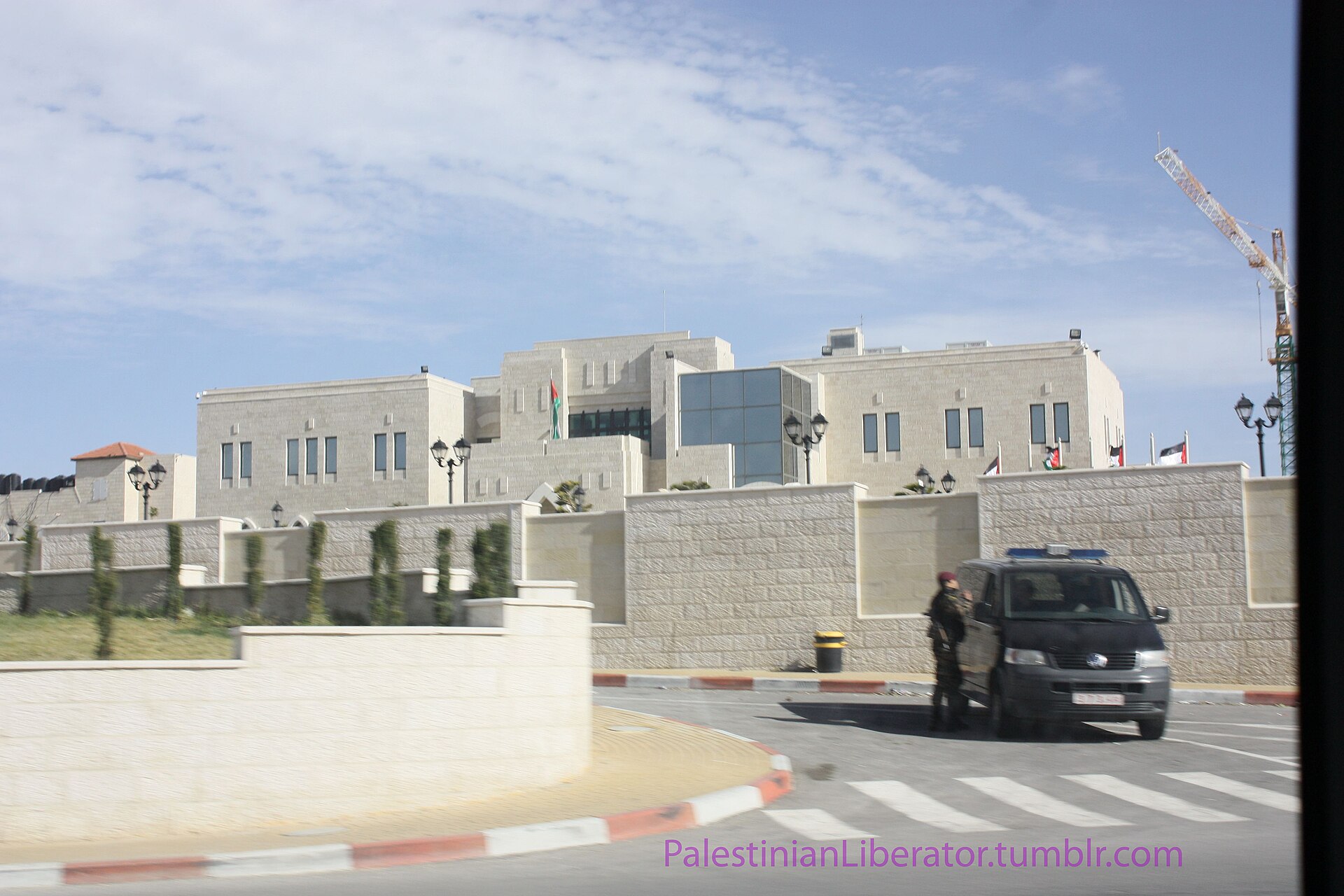
On 10 October 2026, the office of Palestinian President Mahmoud Abbas published a presidential decree repealing the legislative election date of 28 November 2026 and setting simultaneous presidential and legislative elections for 11 September 2027. The decree was posted on the official presidential website and distributed by the Palestinian news agency WAFA. International wire services including Reuters and the Associated Press reported the measure and confirmed the dates mentioned in the decree.
The move replaces the previously scheduled standalone legislative ballot with a combined electoral date nearly ten months later. The official text outlines logistical and security considerations as the rationale for the change and frames the postponement as necessary to ensure conditions for a proper electoral process. The decree is the primary source for the factual sequence of events.
- On 10 October 2026 President Mahmoud Abbas issued a decree cancelling the 28 November 2026 legislative election and setting simultaneous presidential and legislative elections for 11 September 2027. (Source: Office of the President / president.ps)
- The EU issued an official statement on 14 October 2026 saying it “deeply regrets” the postponement and offering to support the electoral process, including through an EU Election Observation Mission. (Source: Consilium press release)
- The Palestinian decree cites security and logistical obstacles — notably ‘Israeli measures’ and restrictions on access to Gaza and East Jerusalem — as the reasons for postponing the legislative vote. (Source: presidential decree / president.ps)
Brussels and other capitals react
The European Union responded on 14 October 2026 with a statement by the High Representative in which it said it “deeply regrets” the postponement and reiterated that it stands ready to support the electoral process. The Consilium press release explicitly mentioned the possibility of sending an EU Election Observation Mission and emphasized the EU’s interest in free and fair elections in the Palestinian territories.
Several Western governments — among them France, the United Kingdom, Canada and Australia — issued similar expressions of regret in official communications. Those statements mirrored the EU’s core concern: that elections should take place as soon as conditions allow, and that arrangements be made to enable an inclusive and verifiable vote.
The reasons given by Ramallah
The presidential decree cites security and logistical obstacles as the principal reasons for delaying the legislative ballot. It specifically references “Israeli measures” and restrictions that complicate access to Gaza and to East Jerusalem for election staff, observers and voters. According to the text, suitable political and security conditions as well as international arrangements are required to ensure the integrity of the vote.
This explanation represents the official Palestinian Authority (PA) position. The decree frames the postponement as a matter of practical necessity rather than political choice, though it does not provide a detailed, independent assessment of the cited impediments within the document itself.
Potential domestic political consequences
The postponement reverberates across Palestinian political life. Elections are widely regarded by external partners as a mechanism for legitimising leadership and refreshing political mandates; their delay may heighten domestic tensions and raise questions about political accountability. Parties and groups that had mobilised around the November legislative ballot may perceive the postponement as a setback.
The decree refers to consultations among Palestinian actors but does not publish extensive detail about the responses from other factions or from civil-society organisations. That gap leaves open whether the later combined vote will foster greater inclusion or deepen existing divides, particularly given the longstanding political separation between authorities in the West Bank and administrators in Gaza.
International and practical implications for implementation
The obstacles the PA highlights — access to Gaza, voter registration in East Jerusalem, and the safe movement of electoral staff and observers — are tied to administrative and security arrangements that typically require coordination with Israel and engagement by international partners. The EU’s offer of support includes technical and observational components, but translating that into concrete guarantees depends on diplomatic and operational agreements that have not been made public.
Ensuring that ballots can be cast and counted across all Palestinian areas, and that international observers can perform their work effectively, will involve negotiations over checkpoints, permits and the status of East Jerusalem voters. The decree does not specify how these negotiations will proceed or which actors will be responsible for securing the necessary access.
What is established and what remains uncertain
What is established by the available documentation and reporting is straightforward: the presidential decree of 10 October 2026 annulled the 28 November 2026 legislative date and scheduled combined elections on 11 September 2027; the decree cites security and access problems as the reason; and the EU publicly stated on 14 October 2026 that it “deeply regrets” the postponement while offering support including the prospect of an election observation mission.
What remains uncertain is whether the logistical and political obstacles named by the PA can be resolved in time for the September 2027 date and whether the necessary inter-party and international arrangements will be reached. The decree refers to consultations and to the need for certain conditions, but it does not include binding commitments from other stakeholders. The next months will likely see diplomatic activity to clarify access and operational issues; however, until such arrangements are formalised and implemented, the feasibility of the proposed timetable cannot be confirmed.
IO SYNTHESIS
THREE-SOURCE ARTICLE ANALYSIS
On 10 October 2026 President Mahmoud Abbas issued a decree cancelling the 28 November 2026 legislative election and setting simultaneous presidential and legislative elections for 11 September 2027. (Source: Office of the President / president.ps)
OPEN EVIDENCE ↗The EU issued an official statement on 14 October 2026 saying it “deeply regrets” the postponement and offering to support the electoral process, including through an EU Election Observation Mission. (Source: Consilium press release)
OPEN EVIDENCE ↗The Palestinian decree cites security and logistical obstacles — notably ‘Israeli measures’ and restrictions on access to Gaza and East Jerusalem — as the reasons for postponing the legislative vote. (Source: presidential decree / president.ps)
OPEN EVIDENCE ↗✓ SOURCES AND DOCUMENTS
01 derstandard.at ↗02 apnews.com ↗03 apnews.com ↗Sources last checked · 15.10.2026, 03:05This article was written and checked by the ZEITUNG.IO newsroom. It is updated when new verified information becomes available.