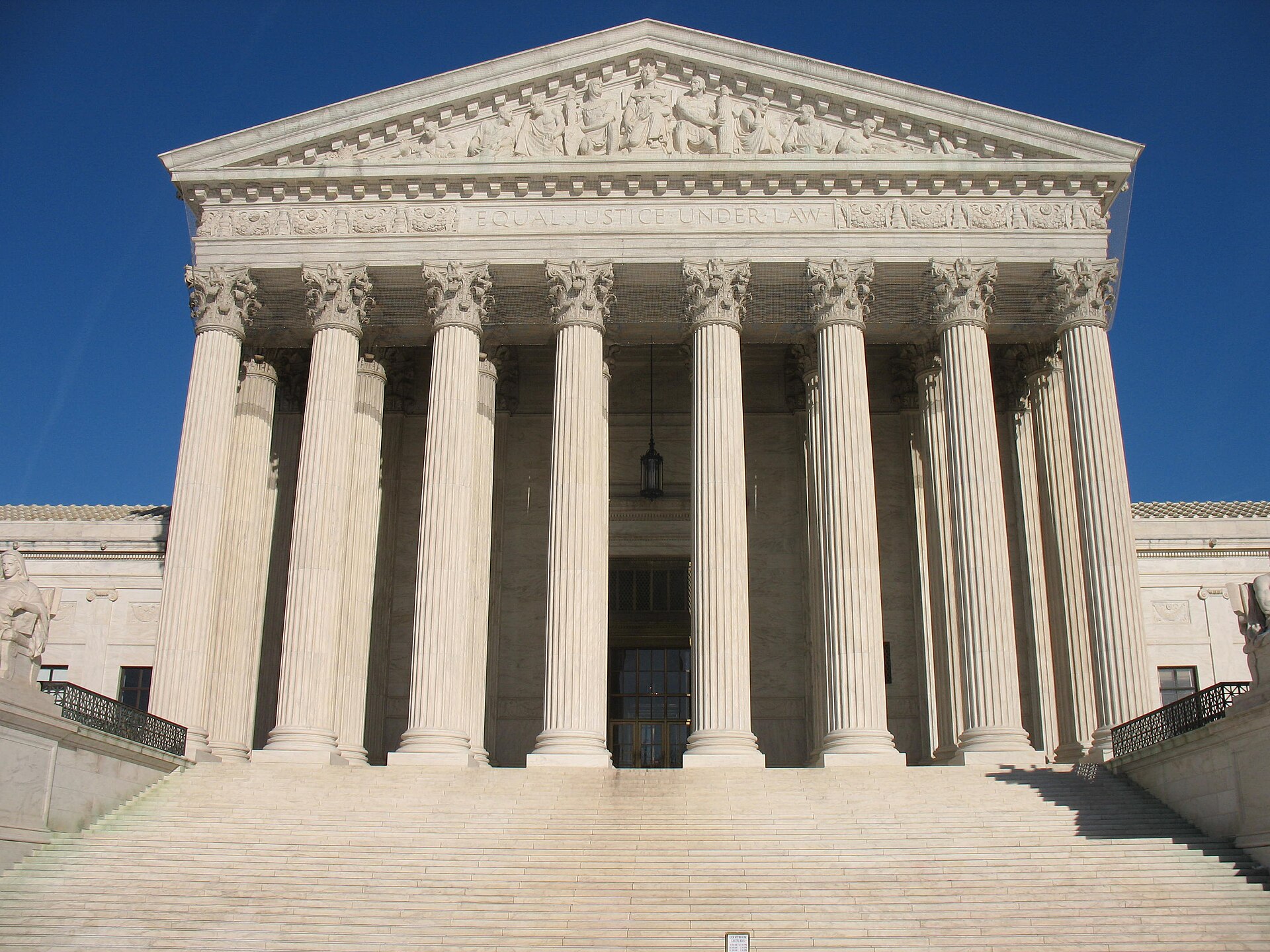
On August 24, 2026, the Supreme Court of the United States issued an emergency order that permitted the federal government to move forward, for now, with significant portions of a directive intended to limit aspects of mail‑in voting. The order lifted a lower‑court injunction that had prevented those measures from taking effect against a group of plaintiffs that included 23 Democratic‑led states and the District of Columbia. The order is publicly available as an official court document and lists the parties and procedural posture.
It is important to recognize the provisional nature of the ruling: the Supreme Court’s intervention was an emergency measure in a case that remains pending. By allowing certain rules to be implemented temporarily, the Court stopped short of resolving the substantive merits. The paperwork notably emphasized the immediacy of logistical timelines, which shaped the Court’s calculus.
- The commentary 'Confusion over mail voting plays into Trump’s hands' was written by Samuel Jackisch and published on 26 August 2026 on tagesschau.de as an opinion piece.
- On 24 August 2026, the U.S. Supreme Court issued an emergency order allowing the federal government to implement significant parts of a directive restricting mail voting on a provisional basis (Supreme Court opinion, 24 August 2026).
- The Supreme Court’s order stayed a lower‑court injunction that had prevented enforcement of those measures against a group of plaintiffs that included 23 Democratic‑led states and the District of Columbia.
Why urgency mattered
The Supreme Court highlighted practical time constraints in its reasoning: several states were already preparing to dispatch mail ballots, and the court record indicated that some jurisdictions intended to send their first mail‑in ballots by the end of August 2026. That proximity of deadlines is a central reason the Court found emergency relief appropriate.
Legally, this emphasis on timing reflects a narrow focus often characteristic of emergency motions: the question is whether delaying enforcement would create irreparable logistical harm, not whether the underlying regulation is lawful in the long term. Thus the decision answers a question about immediate feasibility rather than finally settling the legal controversy.
Political framing versus legal fact
Samuel Jackisch’s commentary published on tagesschau.de on August 26, 2026, argues that the confusion surrounding mail voting advantages Donald Trump. That argument is a political interpretation and clearly labeled as commentary in the source. It is a legitimate opinion but not a judicial finding.
The link between procedural confusion and electoral advantage is analytically plausible — uncertainties can affect turnout and voter behavior — but attributing a concrete electoral benefit to one candidate requires empirical evidence. Polling, turnout modelling and historical comparisons would be necessary to substantiate any causal claim that the confusion will definitively change election outcomes.
Immediate practical consequences for November 3, 2026
At present, the practical effects on the midterm elections scheduled for November 3, 2026, are uncertain. Major U.S. news organizations reported that while the emergency order allows certain federal rules to be temporarily enforced, the broader litigation continues. A final determination in the merits phase could modify, reverse, or further define the scope of what the Court allowed in the emergency order.
Election administrators and postal services face an operational dilemma: carry on with postal ballot preparations to meet imminent deadlines, or risk recalibrating plans if the litigation produces different outcomes. That tension between immediate deadlines and potential later reversal is precisely the complication the Supreme Court cited in justifying its interim relief.
What is documented — and what is not
Documented facts include the date of the Supreme Court’s emergency order (August 24, 2026), the identity of the commentator (Samuel Jackisch) and the date of his commentary (August 26, 2026). The court’s decision and its references to states’ timelines are available in the official court filings. These are verifiable items that form the factual backbone of the debate.
What remains unresolved are the substantive legal outcomes, the exact provisions that ultimately will survive judicial scrutiny in the merits phase, and the behavioral response of voters. Additional submissions, possible oral arguments and final opinions could all change the landscape in the weeks ahead.
Implications for reporting and democracy
For journalists and voters alike, the current situation demands careful separation of verified legal developments from political interpretation. Emergency rulings address immediate circumstances; they do not necessarily predict eventual legal resolution. Reporters should cite the primary court document and seek statements from the Department of Justice, state election officials and postal authorities to map the practical effects.
From the perspective of democratic practice, transparency about deadlines, procedures and contingency plans is vital. Uncertainty about voting rules can suppress participation or sow confusion. Public authorities should therefore communicate clearly about what voters must do and by when. Commentators can and should assess political ramifications, but those assessments should be flagged as analysis, not as settled fact.
IO SYNTHESIS
THREE-SOURCE ARTICLE ANALYSIS
The commentary 'Confusion over mail voting plays into Trump’s hands' was written by Samuel Jackisch and published on 26 August 2026 on tagesschau.de as an opinion piece.
OPEN EVIDENCE ↗On 24 August 2026, the U.S. Supreme Court issued an emergency order allowing the federal government to implement significant parts of a directive restricting mail voting on a provisional basis (Supreme Court opinion, 24 August 2026).
OPEN EVIDENCE ↗The Supreme Court’s order stayed a lower‑court injunction that had prevented enforcement of those measures against a group of plaintiffs that included 23 Democratic‑led states and the District of Columbia.
OPEN EVIDENCE ↗✓ SOURCES AND DOCUMENTS
01 tagesschau.de ↗02 axios.com ↗03 axios.com ↗Sources last checked · 26.08.2026, 12:58This article was written and checked by the ZEITUNG.IO newsroom. It is updated when new verified information becomes available.