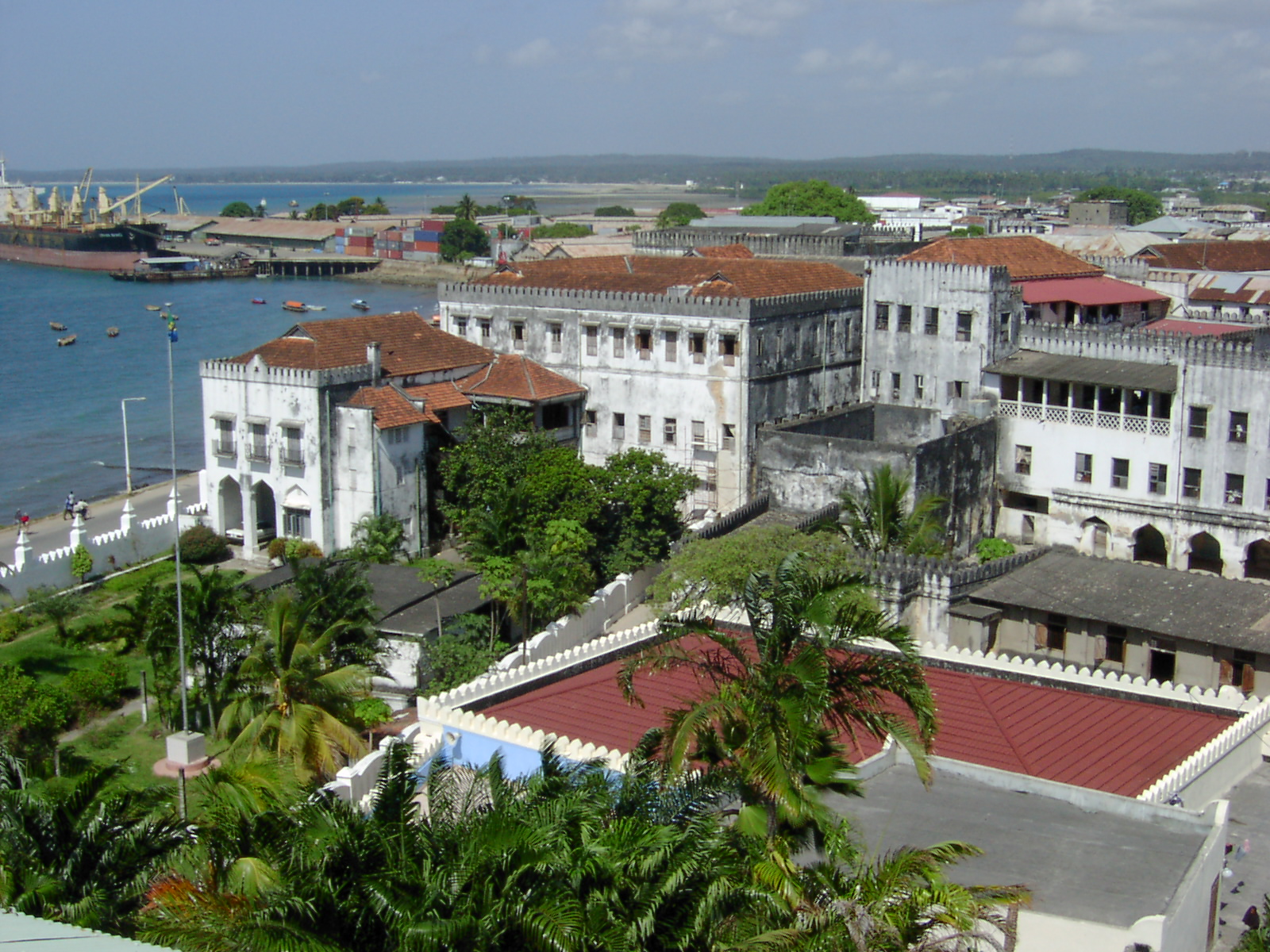
On 27 August 1896, a military exchange occurred in Stone Town, Zanzibar, that later became known as the Anglo‑Zanzibar War. In commonly cited accounts the action lasted roughly 38 minutes (some sources give a range of 38–45 minutes). Recent anniversary coverage in European press has renewed public interest in the incident, which is historically well documented but often treated as an oddity because of its short duration.
This is a historical event, not a current armed conflict. Nevertheless, its study reveals the mechanics of late‑19th century imperial politics: how European consulates, naval forces and local succession disputes intersected to produce rapid, decisive interventions. While the broad outline is well established, historians note open questions concerning precise timing, casualty figures and circumstances surrounding the death of the previous sultan.
- Fighting and bombardment occurred on 27 August 1896 in Stone Town, Zanzibar (Anglo‑Zanzibar War).
- Duration of hostilities approximately 38 minutes (variously reported as 38–45 minutes).
- Khalid bin Barghash seized the palace; British ultimatum and bombardment followed; Khalid fled and Hamoud bin Mohammed was installed as sultan.
- Casualty figures are estimates; many sources cite about 500 killed/wounded on the Zanzibar side and one wounded British sailor.
Background: Succession and imperial influence
By the 1890s Zanzibar was a pivotal trading hub in the Indian Ocean, acting as a commercial centre for spices and, earlier, the slave trade. British influence there had grown through treaties and diplomatic pressure. The sultanate’s internal affairs increasingly fell under the sway of external powers who pursued their political and economic objectives.
On 25 August 1896 Sultan Hamad bin Thuwaini, considered favourable to British interests, died. Khalid bin Barghash (Sayyid Khalid) moved quickly to proclaim himself sultan and occupied the palace. Britain’s representatives, notably the British consul Basil Cave, viewed Khalid’s accession as unacceptable. Authorities issued an ultimatum demanding his abdication and evacuation of the palace; the British then backed an alternative candidate, Hamoud bin Mohammed, as the preferred successor.
27 August 1896: Sequence of events
When the ultimatum expired, Royal Navy ships in the harbour opened fire on the palace and defensive positions held by Khalid’s supporters. Secondary sources record slightly varying start and end times; a commonly used precise formulation is approximately 09:02–09:40, which corresponds to about 38 minutes, while other accounts list 09:00–09:45. The minor discrepancies do not alter the fact that the engagement was extremely brief.
During or shortly after the bombardment Khalid fled the palace and sought refuge—reportedly at the German consulate—before going into exile. British naval fire damaged the palace and neutralised Khalid’s artillery. Following the action, Hamoud bin Mohammed, the British‑favoured candidate, was installed as sultan, effectively bringing the immediate crisis to a close.
Casualties, sources and unresolved points
Estimates of casualties differ across contemporary and later accounts. Many standard references cite roughly 500 killed and wounded among Khalid’s forces and defenders, while the British reported only one wounded sailor. Historians caution that such figures are approximate and derive from reports that vary in detail and perspective; therefore casualty figures should be treated as estimates rather than exact counts.
Another disputed matter is the cause of Sultan Hamad’s death two days earlier. Contemporary rumours suggested foul play or poisoning, but there is no conclusive documentary evidence to confirm such claims. These allegations, often repeated in popular retellings, should be presented as unproven suspicions. Likewise, small inconsistencies in the reported minute‑by‑minute timetable of the bombardment reflect differences in contemporary reporting and later reconstructions rather than substantive disagreement about the overall sequence of events.
Consequences and historical significance
In the immediate aftermath Britain solidified its influence in Zanzibar. The swift military action and the installation of a compliant sultan exemplify how imperial powers used naval force to secure political outcomes in coastal territories. For British policymakers and their local allies, the action reinforced a model of intervention that combined diplomatic pressure with direct military capability.
Over the longer term the episode has become a touchstone in popular histories of empire—often portrayed as a bizarre footnote because of its brevity. Guinness World Records lists it as the “shortest war” and the strikingly short duration is regularly emphasised in public accounts. Yet treating the event primarily as a curiosity risks downplaying the human cost and the asymmetry of power involved. The many victims among the defenders and the forced political change underline that even very brief episodes of violence can have lasting political and social effects.
The renewed media attention around the 130th anniversary highlights the need for careful source criticism. Contemporary consular records, naval logs and newspaper reports allow reconstruction of the basic facts, but researchers must weigh conflicting details and remain transparent about uncertainties. The Anglo‑Zanzibar War therefore serves both as a case study in imperial coercion and as a reminder of the limits of historical evidence when sensational facts circulate alongside more sober archival material.
IO SYNTHESIS
THREE-SOURCE ARTICLE ANALYSIS
Fighting and bombardment occurred on 27 August 1896 in Stone Town, Zanzibar (Anglo‑Zanzibar War).
OPEN EVIDENCE ↗Duration of hostilities approximately 38 minutes (variously reported as 38–45 minutes).
OPEN EVIDENCE ↗Khalid bin Barghash seized the palace; British ultimatum and bombardment followed; Khalid fled and Hamoud bin Mohammed was installed as sultan.
OPEN EVIDENCE ↗✓ SOURCES AND DOCUMENTS
01 diepresse.com ↗02 en.wikipedia.org ↗03 history.org.uk ↗Sources last checked · 27.08.2026, 10:10This article was written and checked by the ZEITUNG.IO newsroom. It is updated when new verified information becomes available.