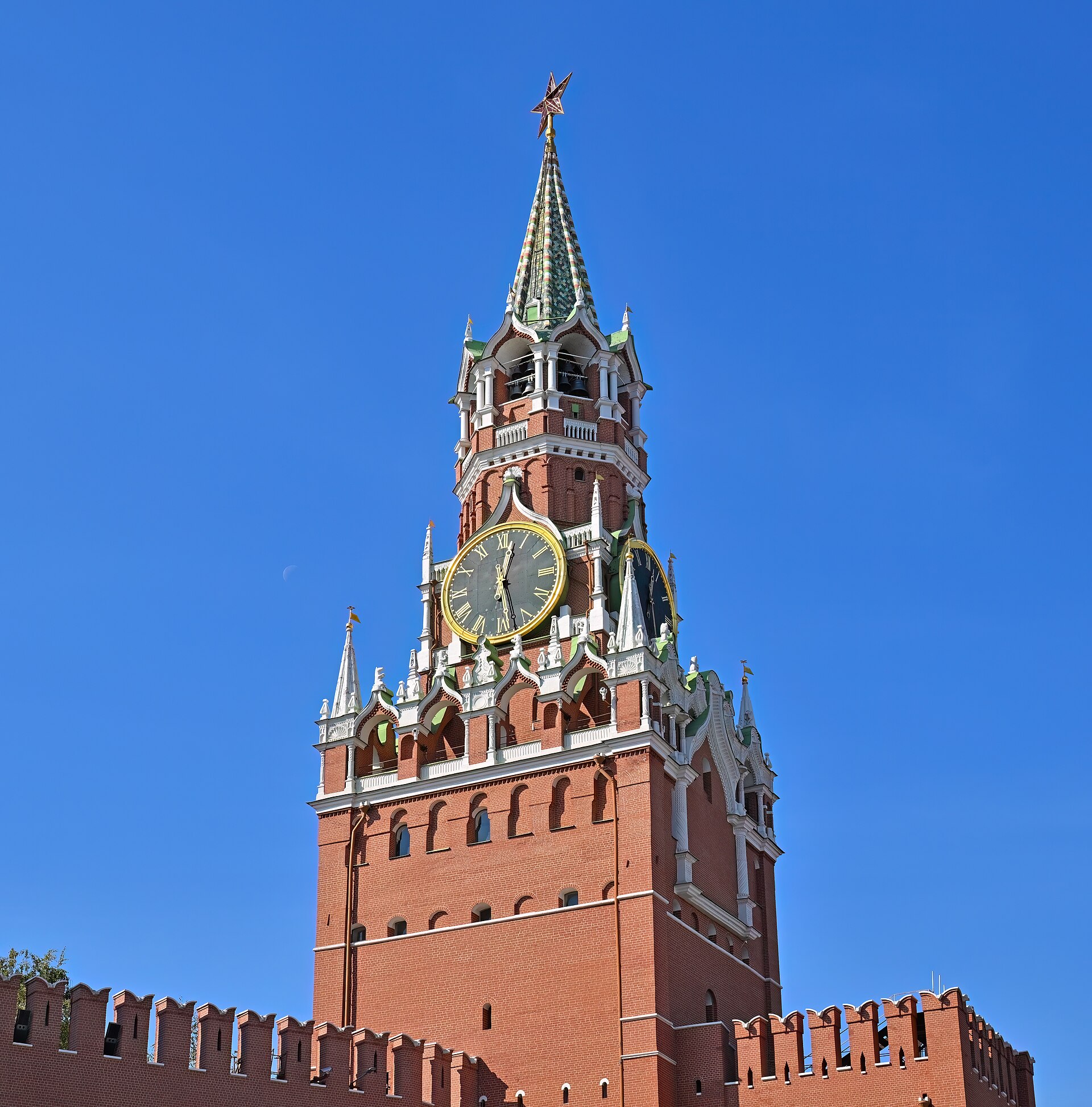
On Tuesday, 25 August 2026, John Ratcliffe, director of the U.S. Central Intelligence Agency, traveled to Moscow without prior public announcement. Major U.S. outlets – including The Washington Post, The Wall Street Journal, CBS News and Politico – reported the visit based on unnamed U.S. officials who told reporters that Ratcliffe used the trip to warn Russian counterparts against undertaking military or other escalatory actions against NATO members, particularly the Baltic states. Those reports also said he pressed Moscow to curb military and financial support for Iran.
The Kremlin confirmed that Ratcliffe held talks with Russian intelligence counterparts and stated he did not meet President Vladimir Putin, according to public accounts. Kremlin spokesman Dmitry Peskov declined to provide details on the substance of the talks. That confirmation establishes the fact of the visit and the level of contact; the precise content of those exchanges remains subject to the limits of current reporting.
- CIA Director John Ratcliffe was in Moscow on 25 August 2026.
- The Kremlin confirmed Ratcliffe met with Russian intelligence counterparts and said he did not meet President Vladimir Putin (Kremlin spokesman Dmitri Peskov).
- U.S. media outlets, citing unnamed U.S. officials, reported Ratcliffe warned Russia against attacks on NATO members, particularly the Baltic states.
- Reports also said Ratcliffe pressed Russia to curb military and financial support for Iran; these particulars are based on anonymous sources.
How the reporting is sourced
Crucially, the narrative that Ratcliffe delivered an explicit warning to Moscow rests largely on anonymous sourcing. Several U.S. outlets attribute the substantive characterization of the visit to 'people familiar with the matter' or unnamed U.S. officials. News organizations including the Associated Press verified the trip and the Kremlin’s acknowledgment that meetings occurred, but they also cautioned that the detailed claims about warnings and Iran-related conversations could not be independently confirmed by named official sources.
The CIA and other U.S. agencies have not publicly provided a full account of the exchange. In intelligence diplomacy it is common for significant discussions to remain off the record; however, the reliance on unnamed sources amplifies the need for caution in assessing both immediacy and intent.
Context: NATO, the Baltics and Russia–Iran ties
The visit comes amid an extended period of heightened tension between Russia and NATO allies that has persisted since Moscow’s full‑scale invasion of Ukraine in 2022. Baltic states – Estonia, Latvia and Lithuania – have repeatedly voiced concerns about their security environment and potential Russian coercive measures. A senior U.S. intelligence envoy delivering a direct warning would be a clear signal of Washington’s commitment to deterrence and reassurance to those allies.
The linkage to Iran reflects another layer of contemporary geopolitics. Western officials and analysts have monitored deepening military and technological ties between Russia and Iran, from arms deliveries to cooperation on unmanned systems. If true, Ratcliffe’s raising of Russian support for Tehran suggests the U.S. seeks to address intersections between the European theatre and wider regional conflicts that can compound instability.
Why an unannounced CIA director trip matters
An unannounced visit by the head of the CIA to Moscow is notable for several reasons. It signals the use of backchannel and direct intelligence-to-intelligence dialogue when diplomatic channels are either insufficient or unsuitable. Historically, such contacts have been used to manage crises, exchange information on detention cases, and set guardrails to avoid unintended escalation between nuclear-armed states.
Yet the approach carries risks: it can be politically sensitive at home, exposing intelligence leaders to scrutiny from legislatures and the public. It can also be exploited by the host nation for domestic or international messaging. Moscow’s framing of the talks as 'intelligence level' and its quick clarification that Ratcliffe did not see Putin appears to downplay any political connotations and situate the meeting firmly in the operational domain.
Possible implications and scenarios
If the media accounts are accurate, one practical implication could be an agreement – explicit or tacit – on measures to reduce the risk of incidents, for example protocols for military aircraft and naval encounters or notification mechanisms. Washington might also have sought specific commitments about material flows to Iran. Such understandings, if they exist, would typically be handled discreetly and may not be publicized.
Politically, the visit could prompt consultations within NATO and questions from congressional oversight bodies in the United States about the rationale and outcomes. In Moscow, the meeting may be parsed by different factions in the security apparatus either as a sign of U.S. concern or as an attempt at influence; responses could range from public reassurance to tactical adjustments behind the scenes.
Uncertainties and the way forward
Key unknowns persist: whether Russia had specific operational plans against a NATO member that prompted the warning; who exactly represented the Russian side; whether any tangible commitments were made; and how both governments will implement or monitor any understandings. These questions are central to evaluating the visit’s strategic significance.
Further information may emerge from follow-up reporting, statements by allied capitals or inquiries in the U.S. Congress. Intelligence diplomacy often unfolds in shades of grey; the confirmed facts establish a rare high‑level intelligence channel was used, but not the precise length, tone or tactical content of that exchange. For Europe's security architecture, the episode is a reminder that beneath public diplomacy there are persistent, confidential efforts to manage risk and maintain lines of communication.
IO SYNTHESIS
THREE-SOURCE ARTICLE ANALYSIS
CIA Director John Ratcliffe was in Moscow on 25 August 2026.
OPEN EVIDENCE ↗The Kremlin confirmed Ratcliffe met with Russian intelligence counterparts and said he did not meet President Vladimir Putin (Kremlin spokesman Dmitri Peskov).
OPEN EVIDENCE ↗U.S. media outlets, citing unnamed U.S. officials, reported Ratcliffe warned Russia against attacks on NATO members, particularly the Baltic states.
OPEN EVIDENCE ↗✓ SOURCES AND DOCUMENTS
01 ORF · News ↗02 theatlantic.com ↗03 apnews.com ↗Sources last checked · 27.08.2026, 06:32This article was written and checked by the ZEITUNG.IO newsroom. It is updated when new verified information becomes available.