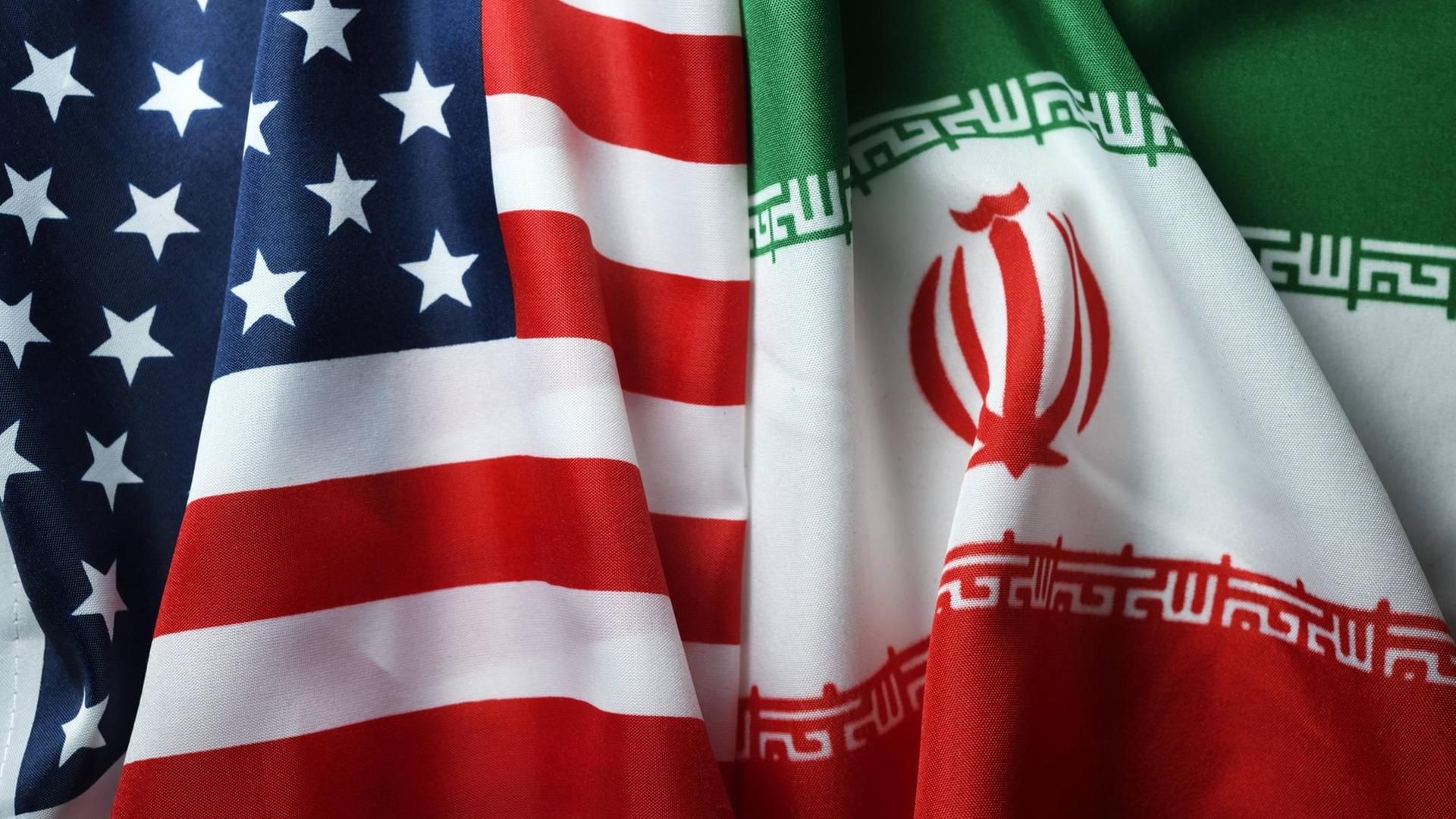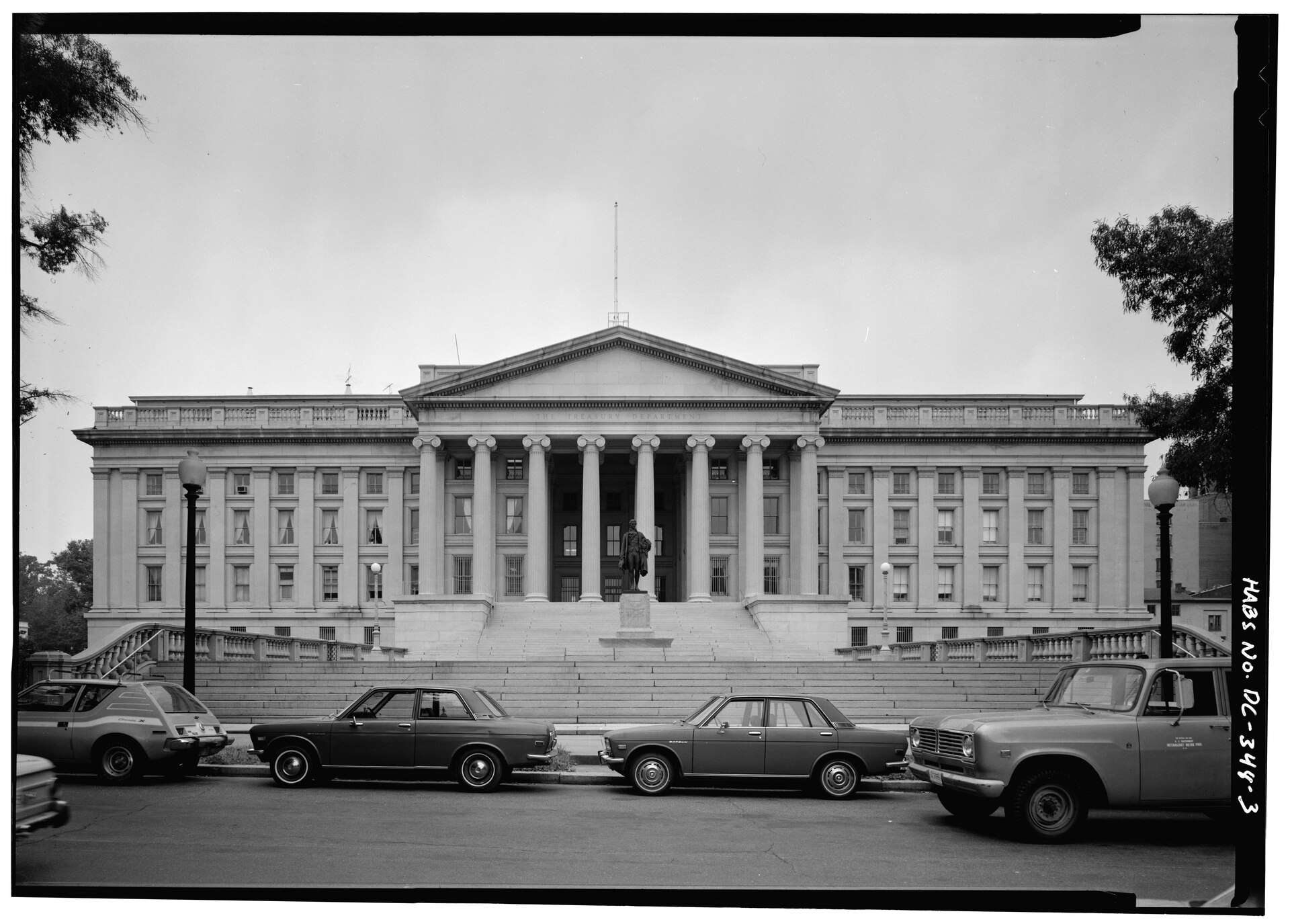
On August 24, 2026, the U.S. Department of the Treasury announced an expanded sanctions campaign aimed at curbing Iran's ability to trade internationally. The initiative, described by Treasury officials as "Operation Economic Outcast," included five sectoral determinations issued by the Office of Foreign Assets Control (OFAC) and the designation of roughly 60 individuals, entities and vessels. Treasury Secretary Scott Bessent framed the measures as an extension of secondary sanctions designed to deter third‑country actors from engaging in specified kinds of trade with Tehran.
According to the Treasury press release, the sectoral determinations target areas including digital assets, technology, gold, aviation and shipping. Some of the OFAC listings were implemented immediately; simultaneously Washington said it would provide governments and companies identified as continuing certain activities with defined timelines to cease them. The administration emphasized the possibility of further penalties for countries and actors that do not comply, though initial country‑level sanctions were signalled as conditional rather than immediately imposed.
- On August 24, 2026 the U.S. Treasury announced "Operation Economic Outcast," issuing OFAC sectoral determinations and designating roughly 60 people, entities and vessels (Treasury press release).
- The OFAC sectoral determinations covered digital assets, technology, gold, aviation and shipping; some designations took immediate effect (Treasury, 24.8.2026).
- China’s Foreign Ministry spokesperson Lin Jian publicly stated on August 21, 24 and 25 that Beijing opposes "illegal unilateral sanctions" and will take measures to safeguard China’s rights and interests (MFA transcripts).
Beijing’s public response
China’s Foreign Ministry responded over several briefings between August 21 and August 25. Spokesperson Lin Jian said China opposes "illegal unilateral sanctions that have no basis in international law," and warned that Beijing would take measures necessary to firmly safeguard its rights and interests. Those remarks, recorded in official MFA transcripts, amount to a clear public rebuke of Washington's approach.
However, the MFA statements stop short of outlining explicit retaliatory actions. Chinese officials and state media stressed the need to protect legitimate commercial relations and hinted at legal and policy responses compatible with China’s laws and broader strategy, without providing a roll‑out of concrete steps such as reciprocal sanctions, trade restrictions or alternative payment arrangements.
What is confirmed and what remains uncertain
There is a clear documentary record for the U.S. measures: the Treasury press release of August 24, the OFAC designations and subsequent reporting in international outlets. Likewise, verbatim transcripts of the Chinese Foreign Ministry briefings are publicly available. Multiple reputable news agencies, including Reuters and AP, have independently corroborated both the U.S. announcements and Beijing’s public criticism.
Outstanding uncertainties include whether Washington will follow through with country‑level penalties and, if so, which states would be targeted and on what timeline. The initial OFAC listings did not, in the first tranche, include major Chinese banks — a point noted by several outlets — raising questions about the immediate reach of U.S. measures against Beijing’s core financial institutions. Equally opaque is the nature and timing of any concrete countermeasures China might adopt in response.
Geopolitical implications
If enforced broadly, secondary sanctions create cross‑pressures that force governments and companies to choose between the U.S. market and commercial relations with sanctioned states. That dynamic can intensify tensions between Washington and Beijing, especially where China is an important trading partner of the sanctioned country. In this instance, China’s firm public rejection of the sanctions signals a potential diplomatic confrontation over extraterritoriality and the limits of unilateral coercive measures.
Multilateral institutions and allied states will face strategic choices as well: whether to align with U.S. enforcement, to seek exemptions, or to pursue independent policies that reduce exposure to both U.S. penalties and Chinese reprisals. The announcement therefore has implications not only for U.S.–China bilateral ties but for wider international trade and financial governance.
Practical effects on commerce and finance
For businesses, insurers and banks, the practical question is how strictly they will interpret and implement compliance with the new OFAC determinations. The immediate OFAC listings affect certain ships and intermediaries, which could disrupt shipping routes and operations for firms engaged in trade with Iran. Insurers and ship financiers may react by increasing premiums, withdrawing coverage or avoiding certain routes — actions that would raise logistical costs for companies dealing with Iran.
Financial institutions must also weigh reputational and regulatory risks. Even absent designations of major Chinese banks, other institutions might pre‑emptively curtail services to clients deemed high risk. In turn, this may accelerate diversification away from dollar‑based clearing or spur the use of alternative payments channels — a development that China has promoted in recent years and that could reduce U.S. leverage over time.
Open questions going forward
Key variables to watch include which countries, if any, Washington formally targets with country‑level penalties and how quickly it moves to enforce them. Analysts will also monitor whether China adopts legal countermeasures, such as blocking statutes, reciprocal listings, or the promotion of non‑USD settlement and insurance facilities for trade with Iran. Another important question is whether the announced measures will cause short‑term market dislocations — for example in energy, shipping insurance or commodity prices.
The coming days and weeks should clarify whether "Operation Economic Outcast" will be a calibrated pressure campaign with limited designations, or the first phase of a more sweeping effort that compels concrete strategic adjustments from China and other trading partners. For now, Washington’s announced measures and Beijing’s strongly worded rebuttal underscore a fraught intersection of sanctions policy, international trade and great‑power rivalry.
IO SYNTHESIS
THREE-SOURCE ARTICLE ANALYSIS
On August 24, 2026 the U.S. Treasury announced "Operation Economic Outcast," issuing OFAC sectoral determinations and designating roughly 60 people, entities and vessels (Treasury press release).
OPEN EVIDENCE ↗The OFAC sectoral determinations covered digital assets, technology, gold, aviation and shipping; some designations took immediate effect (Treasury, 24.8.2026).
OPEN EVIDENCE ↗China’s Foreign Ministry spokesperson Lin Jian publicly stated on August 21, 24 and 25 that Beijing opposes "illegal unilateral sanctions" and will take measures to safeguard China’s rights and interests (MFA transcripts).
OPEN EVIDENCE ↗✓ SOURCES AND DOCUMENTS
01 tagesschau.de ↗02 apnews.com ↗03 theatlantic.com ↗Sources last checked · 26.08.2026, 13:38This article was written and checked by the ZEITUNG.IO newsroom. It is updated when new verified information becomes available.