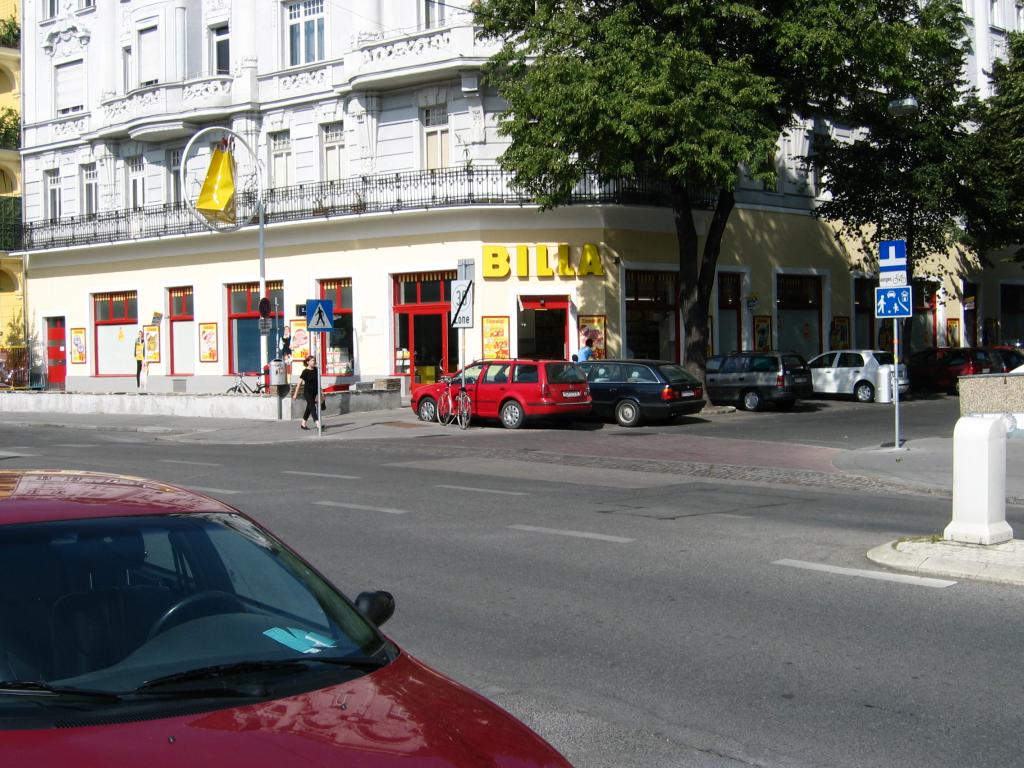
On 24 August 2026, Kreis Industriehandel GmbH published an official OTS press release announcing a precautionary recall of the product „BILLA IMMER GUT AUFSTRICH HUHN 95G“. The item was distributed by REWE under the BILLA private label. The Austrian Agency for Health and Food Safety (AGES) confirmed the recall and Austrian media outlets reported the development in line with the official notices.
The OTS statement lists precise identifying details for the affected batch: best before date 13.11.2028, batch number 131125 and V‑EAN / GTIN 9010437031516. These identifiers are intended to allow consumers to determine whether they are in possession of an affected jar.
The recall is described as precautionary: the product has been removed from sale to mitigate any potential risk. Customers who have already purchased the spread can return the jars to BILLA stores and receive a refund, even without a receipt.
- Product: BILLA IMMER GUT AUFSTRICH HUHN 95G — precautionary recall announced 24.08.2026.
- Affected identifiers: Best before 13.11.2028; batch 131125; V‑EAN/GTIN 9010437031516.
- Reason: Routine testing detected an elevated bisphenol A (BPA) content; recall published via OTS and confirmed by AGES.
- Distributor/contact: Kreis Industriehandel GmbH; distributed by REWE (BILLA); consumers can return product without receipt.
Reason for the recall: elevated bisphenol A levels
The supplier cited a routine test that detected an elevated level of bisphenol A (BPA) in the specified batch. Bisphenol A is a chemical used in the manufacture of certain plastics and resins; it can appear in foods if materials that come into contact with food allow migration of the substance.
BPA has been the focus of regulatory and scientific scrutiny for some time because of studies examining possible endocrine effects. Consequently, its use and the permissible levels in food contact materials are regulated. The OTS release does not provide specific concentration figures; it reports only that an elevated BPA content was found and that this prompted the precautionary measure.
How authorities and the retailer have reacted
The information chain in this instance involved the supplier (Kreis Industriehandel GmbH), the retailer (REWE/BILLA) and the competent authority (AGES), which lists product recalls and warnings on its public register. This reflects standard practice: when internal controls signal a potential issue, manufacturers notify trading partners and regulators so that products can be withdrawn from sale and consumers informed.
The OTS statement includes contact details for follow‑up questions. Publishing such information is part of making the process transparent for customers, media and oversight bodies, and allows for further testing or clarification by authorities if required.
Advice for consumers
Customers who hold a jar of the spread marked with the stated best‑before date, batch number and GTIN are advised not to consume the product. Affected jars have been removed from store shelves and may be returned to any BILLA outlet for a refund without a receipt. This policy aims to simplify returns even when shoppers no longer have the purchase proof.
Many consumers will understandably want to know whether they face health risks after consuming the product. The official communication does not give detailed health risk assessments; the precautionary nature of the recall indicates the company’s intention to avoid exposure while further assessments are made. If consumers have health concerns after consumption, they should consult a medical professional. AGES provides general information on product warnings and recalls on its website.
Implications for retail labels and supply chains
A recall of a private‑label product affects both the retailer and the supplier. For a retailer like REWE/BILLA, such an incident poses a reputational and operational challenge. Private labels are popular for their perceived value, and incidents can erode consumer confidence at least in the short term. For the supplier, responsibilities include removing affected stock, tracing distribution, conducting root‑cause analysis and implementing corrective measures.
Effective, open communication and customer‑friendly return policies can mitigate reputational damage. Removing the product from sale and enabling returns without a receipt are standard damage‑control steps. Whether regulatory follow‑up measures or additional testing will occur depends on the outcome of further analysis to identify the contamination source.
Open questions and what comes next
A key outstanding question is the origin of the elevated BPA level. The OTS release does not specify a source. Possible explanations include migration from packaging materials, contamination in raw ingredients or issues during production, but these are general possibilities and not stated in the official notice. Determining the cause typically requires laboratory analyses and traceability checks by the manufacturer and, potentially, by authorities.
For consumers, the immediate step is clear: do not eat the affected product and return it to the store. For regulators and the companies involved, additional investigations may follow to identify and rectify the root cause. Until such findings are published, the scope and permanence of any potential health implications remain under review. The published OTS release includes contact details at Kreis Industriehandel GmbH for inquiries, and AGES maintains the public record of the recall.
IO SYNTHESIS
THREE-SOURCE ARTICLE ANALYSIS
Product: BILLA IMMER GUT AUFSTRICH HUHN 95G — precautionary recall announced 24.08.2026.
OPEN EVIDENCE ↗Affected identifiers: Best before 13.11.2028; batch 131125; V‑EAN/GTIN 9010437031516.
OPEN EVIDENCE ↗Reason: Routine testing detected an elevated bisphenol A (BPA) content; recall published via OTS and confirmed by AGES.
OPEN EVIDENCE ↗✓ SOURCES AND DOCUMENTS
01 kurier.at ↗02 ages.at ↗03 vki.at ↗Sources last checked · 26.08.2026, 16:07This article was written and checked by the ZEITUNG.IO newsroom. It is updated when new verified information becomes available.