Germany's Federal Minister of Foreign Affairs, Johann Wadephul, arrived in Kyiv on 22 August 2026, according to a press release from the German Foreign Office (Auswärtiges Amt). The official statement frames the visit as an expression of solidarity, an opportunity for dialogue on security cooperation, and an on-site assessment of damage and needs. Subsequent reporting by the German news agency dpa and Tagesschau indicates that Wadephul also travelled to Kharkiv on 23 August.
The Foreign Office release provides the formal context and objectives for the trip; however, it does not list every stop in an itemised itinerary. The details of the Kharkiv visit — including meetings with local actors and inspections of damage — are described in the dpa and Tagesschau coverage and are cited here on that basis. For editorial accuracy, the Foreign Office remains the primary source for official statements, while agency reporting supplies the on-the-ground specifics.
- German Foreign Minister Johann Wadephul arrived in Kyiv on 22 August 2026 (source: Auswärtiges Amt press release).
- German media reporting by dpa and Tagesschau states that Wadephul visited Kharkiv on 23 August 2026, met students at a university and viewed infrastructure damage.
- Agency reports cite repeated attacks on Kharkiv infrastructure; specific numerical claims (e.g., that a power plant was hit "six times") are attributed to the dpa/Tagesschau coverage.
Activities in Kharkiv as reported
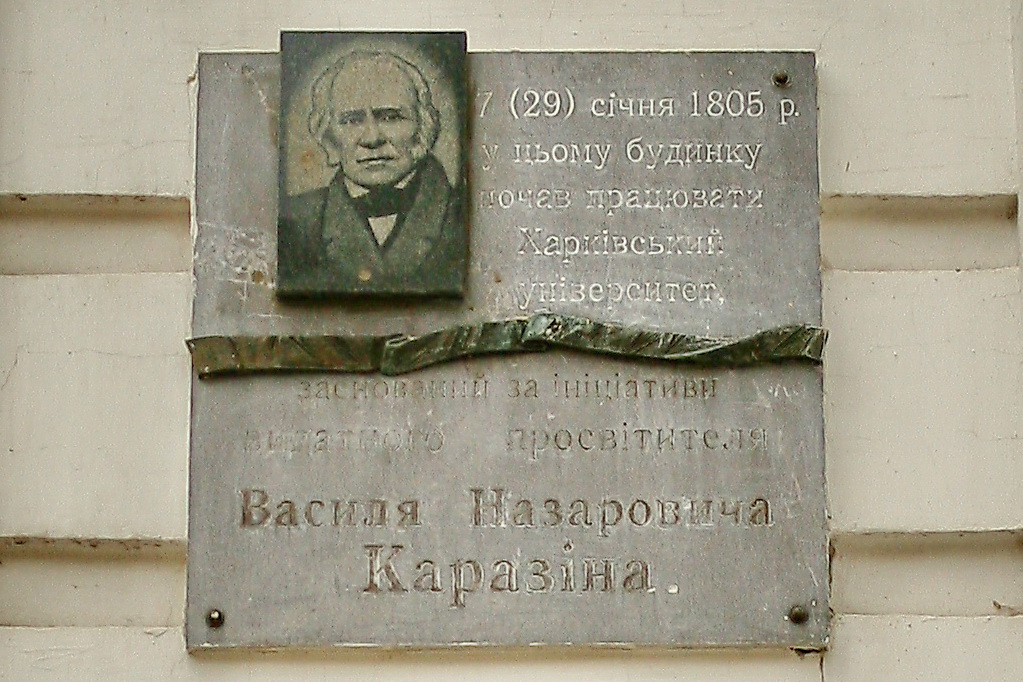
According to dpa and Tagesschau, Wadephul visited a university in Kharkiv where he spoke with students and participated in a flag-raising or similar ceremony. Photographic coverage in the agency reports shows the minister with local academic and civil-society representatives; image credits in the coverage include Michael Fischer/dpa.
The agency reports also say Wadephul inspected infrastructure damage. They mention a power plant that media sources report has been struck repeatedly and a metro or rail depot damaged during attacks in 2022. Numerical claims contained in the reports — for example, that one plant had been hit "six times" — are presented by those outlets and are attributed here as such. Precise, official damage tallies would require confirmation from Ukrainian authorities or independent monitors.
What Wadephul said and how it was reported
The German coverage quotes Wadephul as praising the city's 'unheimlichen Widerstandswillen' — a phrase reported by Tagesschau and dpa. In English-language reporting this has been rendered as praise for Kharkiv's 'remarkable will to resist'; such renderings derive from the German-language agency citations and are attributed accordingly.
The Foreign Office's arrival statement emphasized the German government's commitment to solidarity and practical cooperation with Ukraine, without repeating every on-site remark attributed to Wadephul in the agency dispatches. In Germany, the visit prompted routine political debate: government figures described it as necessary support, while some opposition voices urged continued caution regarding the scope of military and economic aid.
Kharkiv's situation near the frontline
Kharkiv remains one of eastern Ukraine's largest urban centres to be affected by frontline violence since 2022. The German reports indicate the city lies roughly 30 kilometres from active frontlines — this figure is reported by the media and should be seen as an approximate situational detail rather than an independently verified military fact in this article.
Repeated strikes on civilian and infrastructure targets in and around Kharkiv have strained power and public services, according to the media reports cited. Agency coverage lists specific incidents and counts of attacks on certain installations; however, those figures are reported from the field and should ideally be cross-checked against Ukrainian regional administration releases or defense ministry statements for official confirmation.
Implications for German-Ukrainian relations
A ministerial visit close to a conflict zone carries diplomatic weight. It signals political support and keeps public attention on humanitarian and reconstruction needs. The German Foreign Office described the trip in these terms in its press release: as an expression of solidarity and a practical step to coordinate security-related cooperation. Such visits can reinforce political willingness in capitals to continue assistance and can influence the timing and nature of aid packages.
Yet the trip also highlights structural challenges: symbolic gestures must be followed by long-term planning and funding mechanisms for reconstruction and civilian protection. Moreover, Western political leaders’ presence near frontlines can generate propaganda reactions and complicate security considerations. Whether the visit translates into immediate new commitments was not detailed in the Foreign Office statement; further announcements would need to come from Berlin or from coordinated allied planning bodies.
Open questions and verification needs
Not all specifics reported by agencies appear in the Foreign Office's arrival communiqué; the Kharkiv stop and the detailed descriptions of visits to particular sites are principally documented by dpa and Tagesschau. Editors seeking full confirmation of itinerary items or access to official photographs and quotes should consult the Auswärtiges Amt press office directly, which has already published the arrival statement.
There are outstanding verification tasks regarding precise counts of attacks on individual infrastructure items and exact frontline distances. Those statistical and military details are best obtained from Ukrainian local authorities or independent monitoring organisations. Equally, information about any concrete, operational agreements reached during Wadephul's visit would require follow-up statements from Berlin or Kyiv to be reported reliably.
IO SYNTHESIS
THREE-SOURCE ARTICLE ANALYSIS
German Foreign Minister Johann Wadephul arrived in Kyiv on 22 August 2026 (source: Auswärtiges Amt press release).
OPEN EVIDENCE ↗German media reporting by dpa and Tagesschau states that Wadephul visited Kharkiv on 23 August 2026, met students at a university and viewed infrastructure damage.
OPEN EVIDENCE ↗Agency reports cite repeated attacks on Kharkiv infrastructure; specific numerical claims (e.g., that a power plant was hit "six times") are attributed to the dpa/Tagesschau coverage.
OPEN EVIDENCE ↗✓ SOURCES AND DOCUMENTS
01 tagesschau.de ↗02 tagesschau.de ↗03 tagesschau.de ↗Sources last checked · 26.08.2026, 14:22This article was written and checked by the ZEITUNG.IO newsroom. It is updated when new verified information becomes available.